
Light Requirements
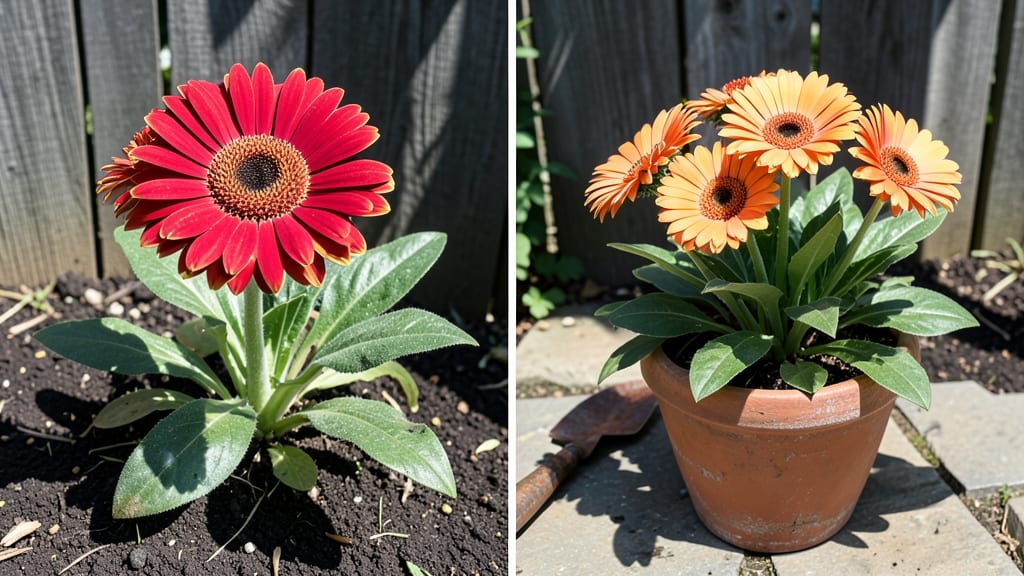
Gerbera daisies thrive in full sun or shade—but getting the balance right is the secret to those vibrant blooms you’ve been dreaming of 🌼.
Struggling to keep your gerbera daisies blooming? The right light conditions could be the game-changer you’ve been missing—whether you’re working with full sun or shade.
Too much shade and your plants stretch toward the light, producing fewer flowers. Too much sun, especially in hot climates, can scorch delicate petals and stress the roots.
In this guide, I’ll show you how to read your gerbera daisies’ light needs, adjust care based on your garden’s conditions, and keep those blooms coming all season long.

Gerbera daisy light requirements: full sun vs shade tolerance explained
If you’ve ever watched your gerbera daisies produce fewer blooms than expected, the culprit might be their light exposure. These vibrant flowers thrive under specific conditions, and understanding their sunlight needs is key to unlocking their full potential.
While they’re often labeled as full-sun plants, gerberas actually have surprising flexibility when it comes to shade—with some varieties even preferring partial light. Let’s break down exactly how much sun they need and how to spot when they’re not getting enough—or too much.
Gerbera daisies are native to regions with bright, indirect light and moderate temperatures, which explains why they perform best in 6 to 8 hours of direct sunlight per day. However, their tolerance for shade depends on factors like climate, humidity, and even the specific variety.
In hotter zones, they might appreciate afternoon shade to prevent leaf scorch, while cooler climates can push them closer to full sun. The trick is balancing their need for light with their sensitivity to intense afternoon rays, especially in peak summer.
Photosynthesis efficiency in gerbera daisies peaks when they receive morning sun paired with filtered afternoon light. This setup allows them to absorb enough energy for blooming without overheating. Scientifically, gerberas use chlorophyll a and b to convert light into energy, but excessive heat can damage their pigment cells, leading to faded petals or stunted growth. Think of their leaves as tiny solar panels that need the right balance—too much direct sun acts like leaving them in a greenhouse without ventilation.
| Light Condition | Daily Sunlight Needs | Best For | Signs of Stress | Care Adjustments |
|---|---|---|---|---|
| Full Sun (6+ hours) | 6–8 hours direct sun | Cooler climates, container gardens, high-altitude areas | Leggy stems, sparse blooms, yellowing leaves | Prune leggy growth, mulch to retain moisture |
| Partial Shade (3–6 hours) | 3–6 hours direct sun, dappled light | Hot climates, urban gardens, east/west-facing spots | Pale petals, slow growth, weak stems | Use reflective mulch, fertilize lightly |
| Low Light (<3 hours) | Indirect light only (e.g., north-facing) | Indoor growing, shaded patios | No blooms, elongated stems, chlorosis | Move to brighter spot, use grow lights |
One of the first signs your gerbera daisies aren’t getting enough light is leggy stems and sparse blooms. When plants stretch toward light sources, they’re essentially begging for more photosynthetically active radiation (PAR). This happens because gerberas prioritize reaching light over producing flowers.
In contrast, too much direct sun can cause yellowing petals or brown leaf edges, a clear signal of heat stress. Pay attention to the color intensity of their blooms—vibrant petals mean they’re happy, while dull hues suggest light deprivation.
If you’re growing gerberas in containers, their light needs become even more critical. Potted plants heat up faster and dry out quicker, so they often need more frequent watering when exposed to full sun.
To compensate, place them in spots with morning sun and afternoon shade, or use light-colored containers to reflect excess heat. For garden beds, amending the soil with organic matter like compost helps retain moisture, reducing the risk of sun scorch during heatwaves.
Not all gerbera varieties are created equal when it comes to light tolerance. For example, Gerbera jamesonii—the most common type—thrives in full sun but can handle partial shade if given proper care. Meanwhile, Gerbera viridifolia, with its green-tinged petals, often performs better in bright indirect light.
When selecting plants, check the breeder’s notes or ask at your local nursery about the specific variety’s light preferences. This small step can save you from frustration down the line.
Seasonal adjustments are another key to gerbera success. In summer, when the sun is most intense, provide afternoon shade using cloth row covers or plant them near taller companions like sunflowers or hollyhocks.
In winter, gerberas may need supplemental light if days are short, especially in USDA Zone 6 or colder. A simple grow light for 4–6 hours can extend their blooming season indoors. Think of it as giving them a mini greenhouse boost during their dormant phase.
To test whether your gerberas are getting the right amount of light, perform a simple shadow test at midday. Trace the shadow of a nearby object (like a stake) every hour and mark the gerbera’s shadow on the ground.
If their shadow is longer than their plant height for more than 3 hours, they’re likely in low-light conditions. Conversely, if the soil around them feels hot to the touch or the leaves look crispy, they’re getting too much direct sun. Adjust their position gradually—never
5 Light adjustment hacks to maximize gerbera daisy blooms year-round
Gerbera daisies thrive when they receive the right amount of light, but many gardeners struggle to balance their needs between full sun and partial shade. The key is understanding how to adjust their light exposure gradually and strategically.
Whether you're dealing with a shady garden corner or intense afternoon sun, these hacks will help you keep your gerberas blooming beautifully all year.
One common mistake is moving gerberas from shade to full sun too quickly. This can cause sunburned leaves or wilting blooms. Instead, I recommend a slow transition over 7-10 days, increasing their sun exposure by 1-2 hours each day.
This gradual acclimation process helps them adjust without shock. For example, if you're moving them from a north-facing window to a south-facing one, start with just morning sun and gradually add afternoon exposure.
🌱 5 Light Adjustment Hacks for Gerbera Daisies
- 1. Gradual Sun Transition: Move plants outdoors in stages, increasing sun exposure by 1-2 hours daily over 1-2 weeks.
- 2. Prune Strategically: Trim overcrowded foliage to improve light penetration to inner stems.
- 3. Use Reflective Surfaces: Place white gravel or mirrors near shade-grown gerberas to bounce extra light.
- 4. Adjust Seasonally: In winter, supplement with grow lights 12-14 hours/day to maintain blooming.
- 5. Rotate Pots: Turn container gerberas weekly to ensure even light distribution on all sides.
Another effective technique is strategic pruning. Over time, gerberas can develop dense foliage that blocks light from reaching the lower stems. I like to prune back any overly crowded leaves in early spring, just as new growth begins.
This not only improves airflow but also allows more sunlight to reach the center of the plant, where blooms develop. Aim to remove about 20-30% of the foliage to strike the right balance.
For gardeners with shade gardens, reflective surfaces can work wonders. I’ve had great success using white gravel or light-colored mulch around the base of my gerberas. This helps bounce additional light onto the plants, effectively increasing their exposure by up to 30% without moving them.
Another trick is placing a white mirror or reflective panel near the plants to redirect sunlight. This is especially helpful in east-facing gardens where morning light is abundant but afternoon shade limits growth.
Seasonal adjustments are also crucial for year-round blooms. During winter months, when daylight hours shrink, gerberas may produce fewer flowers. To combat this, I supplement their light with a full-spectrum grow light for 12-14 hours a day.
Position the light just above the plants and keep it about 12-18 inches away to avoid overheating. In summer, on the other hand, I provide afternoon shade using a lightweight shade cloth to prevent heat stress, particularly in hot climates.
Finally, don’t forget about container gerberas. If you’re growing them in pots, rotate them weekly to ensure all sides receive equal light exposure. This prevents the plants from leaning toward the sun, which can lead to uneven growth and fewer blooms.
I also recommend using light-colored containers, as they reflect more sunlight onto the roots, keeping them cooler in hot weather. With these simple adjustments, your gerbera daisies will thrive in almost any light condition!