
Container Gardens
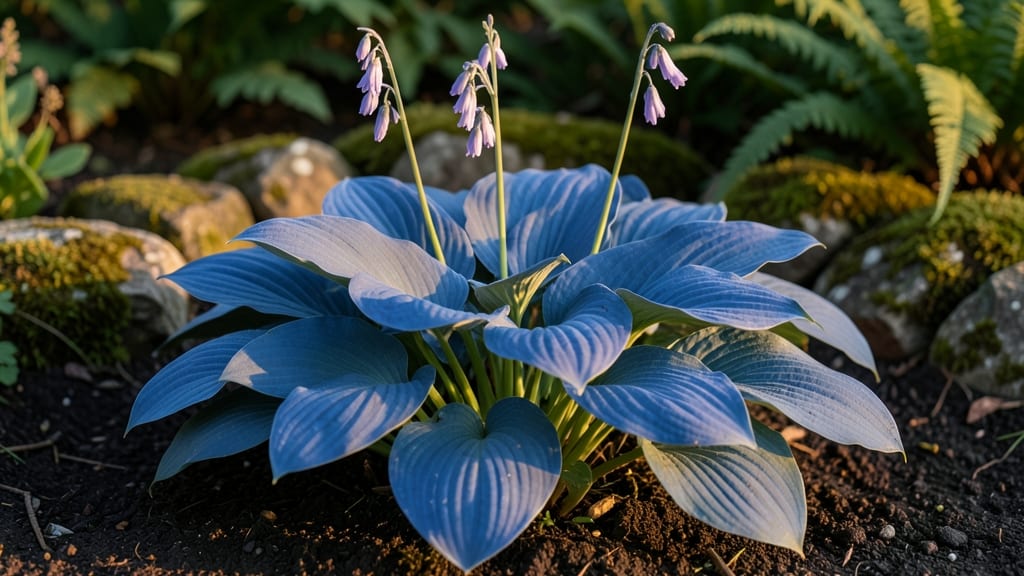
These potted plants that like shade turn dark corners into thriving green oases—my dim living room is proof they don’t just survive in low light but flourish, leaves velvety and vibrant. 🌿 The secret isn’t complicated: pick the right species, give them the right soil, and water just enough to keep their roots happy without drowning them.
Think ferns with delicate fronds, calatheas with striking patterns, or impatiens that burst with color—these plants don’t just tolerate shade, they love it. They’ll reward you with lush growth and minimal fuss, whether your space is a north-facing window, a covered patio, or a basement nook.
The key is choosing varieties that match your light levels, from deep shade to dappled sunlight.
You’ll end up with a collection that feels alive and dynamic, even in spots where other plants would struggle. The air stays fresher, the space feels more vibrant, and you get to enjoy greenery year-round without battling wilting leaves or leggy stems.
Plus, these plants are perfect for beginners—they’re forgiving and adaptable.
Ready to transform your shady spots? We’ll cover the best plant picks, care routines, and styling tips to make your containers look as good as they grow. No more sad, struggling plants—just happy, healthy greenery that thrives where others fail.
Why Shade Plants Struggle
Not all plants thrive in low-light spots—and even the hardiest shade-lovers can show signs of distress when conditions aren’t quite right. Understanding the root causes of why some potted plants wilt, yellow, or fail to grow in dim environments helps you fix the issue before it’s too late.
Let’s break down the science behind common problems and how to address them.
Plants need light to perform photosynthesis, the process that converts sunlight into energy. But too little light—especially low-quality light (like filtered or artificial light)—can starve your plants of the energy they need to grow. Here’s how it happens:
- Weak chlorophyll production: Chlorophyll, the green pigment in leaves, absorbs light to fuel growth. In low light, chlorophyll breaks down, leading to pale, yellowing leaves (a condition called etiolation).
- Stunted growth: Without enough light, plants prioritize reaching for light over producing leaves or flowers, resulting in long, leggy stems and sparse foliage.
- Weak root development: Poor light means less energy for roots, so they grow slowly or become weak and brittle, making the plant more susceptible to disease or collapse.
💡 Pro Tip: If your space is dim, supplement with LED grow lights (12–16 hours/day) or rotate pots to ensure even exposure. South- or east-facing windows (for indirect light) are ideal for most shade plants.
Low light slows a plant’s ability to transpire (release water through leaves), but many gardeners overcompensate by watering too much. This creates a perfect storm for:
- Root rot: Excess moisture in poorly lit soil starves roots of oxygen, causing them to suffocate and turn mushy. Fungal infections like Phytophthora thrive in these conditions.
- Nutrient lockout: Overwatered soil washes away essential nutrients (like nitrogen and potassium), even if you’re fertilizing. Plants can’t access what’s left, leading to weak stems and leaf drop.
- Salt buildup: Tap water contains minerals that accumulate in soil over time. In low light, plants can’t dilute these salts through growth, leading to crispy leaf edges or brown spots.
🌡️ Fix It: Let the top 1–2 inches of soil dry out between waterings (stick your finger in to test!). Use well-draining pots with holes and a mix of peat moss or perlite to improve aeration. For salt issues, flush the soil with distilled water every few months.
Shade plants often originate from humid, stable environments (like rainforests), but indoor conditions—especially near drafts, heating vents, or air conditioning—can throw them off balance. Here’s how:
- Cold drafts: Sudden temperature drops (below 50°F/10°C) can shock plants, causing leaf curl or blackened edges. Common culprits: windows near AC units or open doors.
- Low humidity: Dry air (below 40% humidity) forces plants to lose moisture faster than they can absorb it, leading to crispy, papery leaves or brown leaf tips.
- Heat stress: Placing pots near radiators or direct sunlight (even if it’s "shade") can cause wilting or scorch marks on leaves.
✨ Solution: Group shade plants together to create a microclimate with higher humidity. Use a pebble tray with water or a humidifier nearby. Avoid placing pots in direct drafts or near heat sources—keep them 6–12 inches away from walls or vents.
Even the hardiest shade plants need the right growing medium to thrive. Poor soil or the wrong pot can sabotage their health:
- Compacted or nutrient-poor soil: Heavy clay or garden soil doesn’t drain well and lacks organic matter, suffocating roots. Shade plants often need light, airy mixes with compost or coconut coir.
- Root-bound pots: Small or plastic pots restrict root growth, leading to circling roots that strangle themselves. Over time, this causes stunted growth and leaf yellowing.
- Alkaline soil pH: Many shade plants (like ferns or calatheas) prefer acidic soil (pH 5.5–6.5). If your tap water is hard or you’re using lime-heavy soil, nutrients like iron and manganese become unavailable, causing yellowing between leaf veins (a classic sign of iron deficiency).
🔥 Action Steps:
- Use a well-draining potting mix designed for shade plants (e.g., 50% peat moss, 30% perlite, 20% compost).
- Repot every 1–2 years into a container 1–2 inches larger than the previous one.
- Test your soil’s pH with a digital meter (aim for 5.5–6.5). Amend with sulfur or pine bark if it’s too alkaline.
Revive and Keep Shade Plants Thriving
Shade-loving potted plants can still struggle—whether from overwatering, nutrient deficiencies, pests, or poor drainage. But with the right fixes, your dark-corner greenery will bounce back faster than you think. Below, we map common issues to simple, effective solutions—plus tips to prevent future headaches.
If your plant’s leaves turn yellow, wilt, or feel mushy, it’s likely drowning in excess moisture. Shade plants (like ferns, calatheas, or philodendrons) prefer consistently moist but well-drained soil—not soggy.
- 🔥 Drain the Damage
- Remove the plant from its pot and gently rinse the roots with lukewarm water to wash away excess soil.
- Trim any black, mushy roots with sterilized scissors (healthy roots are firm and white).
- Let the roots air-dry for 1–2 hours before repotting.
- 🍳 Repot with Better Drainage
- Choose a pot with drainage holes (if not already present) and add a layer of pebbles or perlite at the bottom.
- Use a light, airy potting mix designed for shade plants (or amend regular mix with orchid bark or coconut coir).
- Avoid compacted soil—fluff it up before replanting.
- 👨🍳 Adjust Your Watering Routine
- Wait until the top 1–2 inches of soil are dry before watering again.
- Water deeply but less frequently—once a week is often enough, depending on humidity.
- Use a self-watering pot or moisture meter for peace of mind.
💡 Prevention Tip: Group shade plants together to create a microclimate with higher humidity, reducing the need for frequent watering. A humidity tray (pebbles + water) under pots also helps!
Pale leaves, slow growth, or yellowing between veins? Your plant might be hungry. Shade plants deplete nutrients faster in low light because they photosynthesize less efficiently.
| Symptom | Likely Cause | Solution |
|---|---|---|
| Yellow leaves (especially older ones) | Nitrogen deficiency | Feed with a balanced liquid fertilizer (10-10-10 or 20-20-20) diluted to half-strength every 4–6 weeks in growing season. |
| Purple or red stems/leaves | Phosphorus deficiency | Use a high-phosphorus fertilizer (like 5-10-5) or add bone meal to the soil. |
| Weak, spindly growth | Lack of potassium or micronutrients | Switch to a houseplant-specific fertilizer or use seaweed extract for a gentle boost. |
🌡️ Pro Tip: In winter, cut back on fertilizing—shade plants rest and don’t need as much food. Resume feeding in spring when you see new growth.
Spider mites, mealybugs, and scale love shade plants because they’re harder to spot (and the plants are often stressed). Act fast—these pests spread quickly!
- 🔪 Inspect and Isolate
- Rinse the plant under lukewarm water to dislodge pests, then inspect leaves/stems with a magnifying glass.
- Quarantine the plant away from others for 1–2 weeks.
- 🥘 Treat with DIY Sprays
- Neem oil spray: Mix 1 tsp neem oil + 1 tsp mild soap + 1 quart water. Spray all surfaces (including undersides of leaves) every 5–7 days for 2–3 weeks.
- Alcohol wipe: For stubborn bugs, dab a cotton swab dipped in 70% isopropyl alcohol on scale insects or mealybug clusters.
- Insecticidal soap: Spray directly on pests (avoid roots). Reapply after rain.
- ✨ Prevent Future Infestations
- Wipe leaves monthly with a damp cloth to remove dust (pests hide in grime).
- Introduce beneficial insects like ladybugs or lacewings to eat pests naturally.
- Avoid overcrowding pots—good airflow deters bugs.
🎯 Warning: If pests persist after 3 weeks, your plant may be severely compromised. Consider propagating healthy cuttings or replacing it.
Yellowing leaves, root rot, or soil that stays clumpy? Your pot might be trapping too much water. Shade plants need breathable soil—even if they’re not sun-worshippers.
- 🔧 Upgrade Your Pot
- Swap for a pot with multiple drainage holes (or drill them yourself).
- If repotting isn’t an option, place the pot on a saucer with pebbles to elevate it slightly.
- 🌿 Refresh the Soil
- Remove the top 2–3 inches of old soil and replace it with fresh, chunky potting mix (add perlite or vermiculite for aeration).
- Avoid garden soil—it compacts and holds too much moisture.
- 💧 Water Smarter
- Water until it flows freely from the drainage holes, then empty the saucer afterward.
- Use a watering can with a narrow spout to direct water to the soil, not the leaves.
💡 Prevention Tip: Every 12–18 months, repot your shade plant into a container 1–2 inches larger with fresh soil. This refreshes nutrients and improves drainage.
Frequently asked questions
Can I grow shade plants indoors without natural light?
Yes, but you’ll need to supplement with LED grow lights (12–16 hours/day) to mimic natural conditions. Place lights 6–12 inches above plants and use full-spectrum bulbs for best results. Rotate pots weekly to prevent uneven growth.
What’s the difference between low-light and deep-shade plants?
Low-light plants (like pothos or peace lilies) tolerate bright indirect light, while deep-shade varieties (such as maidenhair ferns or cast iron plants) thrive in 0–2 hours of direct sun daily. Always check a plant’s care tag—overestimating light can lead to leggy growth or yellowing.
How often should I fertilize shade-loving potted plants?
Feed every 4–6 weeks during spring/summer with a balanced liquid fertilizer, diluted to half-strength. In winter, reduce to once every 8–12 weeks*. Over-fertilizing in low light can burn roots—always water thoroughly before applying fertilizer.
Why are my shade plants’ leaves turning brown at the tips?
This usually signals low humidity or fluoride/chlorine buildup from tap water. Group plants together to raise humidity, or place pots on a pebble tray with water. Use filtered or distilled water for watering, and avoid letting leaves touch hard water.
Can I mix shade plants with sun-loving varieties in the same pot?
No—this creates competition for light and nutrients. Shade plants need consistent low light, while sun-lovers require bright conditions. Keep them separate, or use a large container with dividers to create distinct growing zones.