
Light Requirements
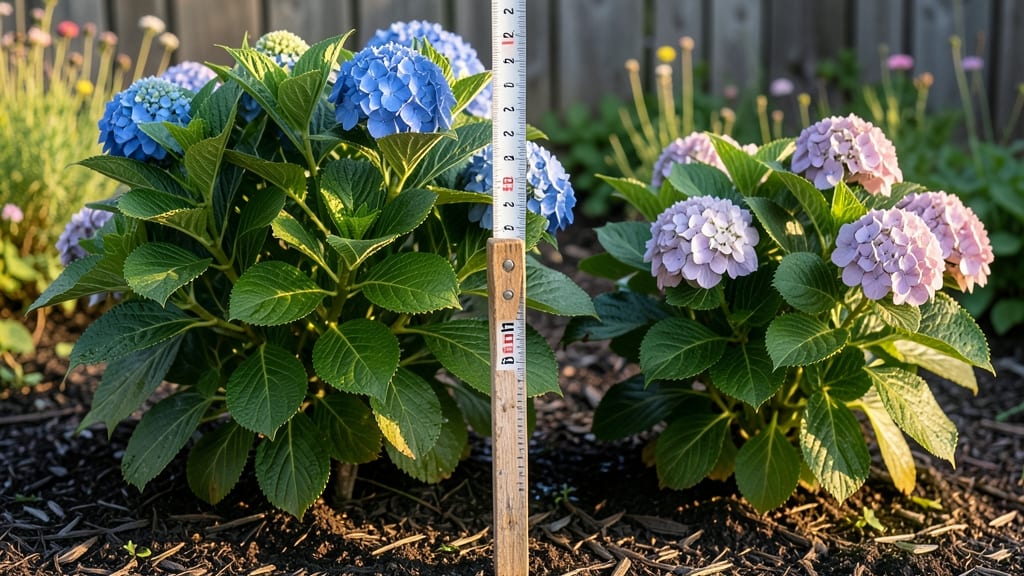
Deciding whether your hydrangeas need full sun or shade is the key to vibrant blooms 🌸—because the wrong spot can turn your garden star into a sad, underperforming shrub.
Picture this: your hydrangea thrives in one spot, then you move it to what you think is better light, and suddenly the leaves crisp, the flowers fade, or the plant just… stops.
That’s the frustration I’ve seen in dozens of gardens, and it’s avoidable with the right variety in the right place.
Some hydrangeas—like the hardy panicle types—love soaking up full sun all day, while others, such as oakleaf varieties, beg for afternoon shade to keep their foliage lush.
Below, I’ll break down the best varieties for each light condition, plus how to spot (and fix) the signs of light stress before they ruin your plant.
You’ll leave here knowing exactly where to plant your hydrangeas for maximum blooms, how to adjust care if you’ve already got it wrong, and which types to pick based on your garden’s sunlight reality.

Best hydrangea varieties for full sun exposure
Not all hydrangeas crave shade—some varieties thrive in full sun, producing bold blooms and lush foliage when given the right conditions. If your garden gets 6+ hours of direct sunlight, these sun-loving hydrangeas will reward you with vibrant displays while handling heat better than their shade-dependent cousins.
Full-sun hydrangeas need consistent moisture to combat sun stress, but they also benefit from well-draining soil to prevent root rot. The key is choosing varieties bred for heat tolerance, like panicle hydrangeas or oakleaf hydrangeas, which can handle afternoon sun in cooler climates.
Let’s explore the top performers and how to keep them blooming beautifully.
| Variety | Sunlight Needs | Heat Tolerance | Bloom Time | Maintenance Tips |
|---|---|---|---|---|
| Limelight® Hydrangea | 6+ hours full sun | Excellent (zones 4-9) | Mid to late summer | Prune in late winter; mulch heavily |
| Little Lime® Hydrangea | 6+ hours full sun | Very high (compact growth) | Early to mid-summer | Dwarf variety; stake if needed |
| Oakleaf Hydrangea (e.g., 'Snow Queen') | 4-6 hours sun (tolerates full sun) | Good (foliage turns red in fall) | Late spring to early summer | Prune after blooming; loves afternoon shade |
| Panicle Hydrangea (e.g., 'Grandiflora') | 6+ hours full sun | High (drought-tolerant once established) | Mid to late summer | Prune annually for shape; water deeply |
Panicle hydrangeas, like Limelight® and Little Lime®, are the superstars of full sun. These varieties produce cone-shaped blooms that last well into fall, even after other hydrangeas have faded.
Their secret? Thick, waxy leaves that reduce water loss, making them ideal for hot, dry climates (zones 5-9). Just be prepared to water deeply 2-3 times per week during heatwaves.
The Little Lime® hydrangea is a dwarf powerhouse, reaching only 3-4 feet tall but packing a punch with bright lime-green blooms. It’s perfect for container gardens or small spaces where you want sun-loving color without the bulk.
For larger gardens, Limelight® grows 6-8 feet tall and produces creamy-white blooms that transition to pink—ideal for backyard focal points.
Oakleaf hydrangeas, like 'Snow Queen', are versatile sun-shade hybrids. While they prefer morning sun and afternoon shade, they can handle full sun in cooler regions (zones 5-9). Their exfoliating bark and fall foliage add winter interest, making them a year-round performer.
To keep them happy in full sun, mulch generously and water at the base to avoid leaf scorch.
All full-sun hydrangeas need well-amended soil with organic matter like compost or peat moss. Before planting, mix in a slow-release fertilizer (e.g., 10-10-10 NPK) to support root growth.
In hotter climates, consider drip irrigation to deliver water directly to the roots, reducing stress. Avoid overhead watering, which can promote fungal diseases like powdery mildew.
Pruning is critical for sun-loving hydrangeas. For panicle types, prune in late winter or early spring to encourage new growth and larger blooms. For oakleaf varieties, wait until after blooming to avoid cutting off next year
Top shade-tolerant hydrangeas for low-light gardens
If your garden is tucked away under towering trees or tucked into a shady corner, don’t despair—there are hydrangea varieties that thrive with minimal sunlight. These shade-loving beauties will reward you with vibrant blooms and lush foliage, even in spots with just 3-4 hours of light per day.
The key is choosing the right cultivar and providing proper care to keep them happy in low-light conditions.
Shade-tolerant hydrangeas typically fall into two main categories: oakleaf hydrangeas and bigleaf hydrangeas. Both types can handle dappled sunlight or deep shade, but their care needs and color variations differ.
For example, oakleaf varieties often produce stunning fall foliage, while bigleaf hydrangeas are prized for their blue or pink flower clusters. Let’s explore the best options for your low-light garden.
-
🌿 Oakleaf Hydrangea ('Oakleaf' or 'Skeletons')
Thrives in deep shade with 3-4 hours of light. Known for red-purple fall foliage and cone-shaped blooms that last into winter. Ideal for woodland gardens.
-
🌸 Bigleaf Hydrangea ('Nikko Blue' or 'Endless Summer')
Tolerates partial shade with morning sun. Produces blue or pink flower clusters that rebloom on new wood. Perfect for containers or shaded borders.
-
🪴 Panicle Hydrangea ('Limelight' or 'Little Lime')
Adapts to shady spots with 3-6 hours of light. Features cone-shaped blooms that transition from lime green to cream. Great for cutting flowers.
-
💧 Care Tips for Shade-Loving Hydrangeas
Ensure well-draining soil with organic matter. Water consistently (1-2 inches per week) and mulch to retain moisture. Avoid over-fertilizing, as shade plants need fewer nutrients.
When planting shade-tolerant hydrangeas, focus on soil quality and watering consistency. These plants rely on their roots to access moisture and nutrients, so amend the soil with compost or peat moss to improve drainage.
If your garden has compacted soil, consider planting in raised beds or containers to prevent root rot.
Watch for signs of stress in low light, such as yellowing leaves or small, sparse blooms. If your hydrangea isn’t thriving, it may need slightly more bright, indirect light. Move it gradually to avoid shocking the plant, and monitor its response over a few weeks.
With the right variety and care, your shady garden can become a lush, colorful retreat. These shade-tolerant hydrangeas will bring year-round interest, from spring blooms to autumn foliage, proving that even the darkest corners can shine.