
Shrubs
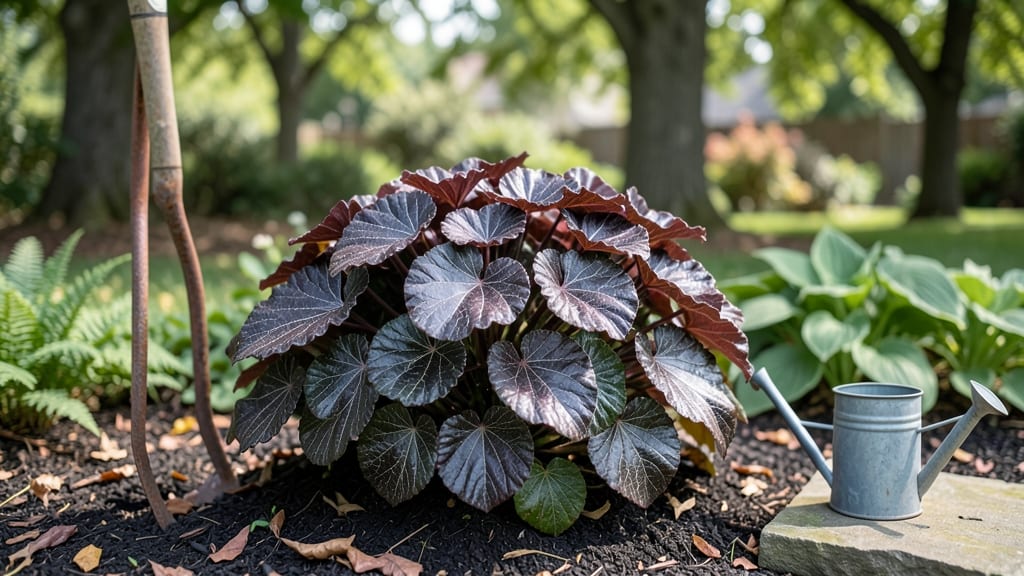
Dragon begonias thrive in sun or shade—but getting the balance right is what turns their foliage from dull to dazzling 🌸.
Picture this: your Dragon Begonia’s leaves crisping under the midday sun or fading to a pale green in deep shade. Both extremes rob you of the bold colors and lush blooms you planted for.
The good news? With the right light strategy, you can coax vibrant growth year-round, whether your garden leans sunny or shady.
In this guide, I’ll break down how to spot the ideal spot for your Dragon Begonia—whether it’s basking in morning sun or thriving under filtered light.
You’ll learn how to adjust care based on your climate, recognize the signs of too much (or too little) light, and keep those leaves looking their best from spring through fall.
Ready to unlock the secret to longer blooms and healthier foliage? Let’s dive into the light conditions that make all the difference.
 Best Window Placement
Dragon begonias in sun: how to protect leaves without sacrificing blooms
Dragon begonias thrive with their bold foliage and showy blooms, but they’re famously finicky about sunlight. While they adore bright indirect light, too much direct sun can turn their leaves crispy, while too little shade makes their colors fade.
The key? Finding that sweet spot of partial sun where they get just enough light to bloom without burning. I’ve grown dragon begonias in morning sun gardens and afternoon shade spots—here’s what works best.
Most dragon begonias need 2-4 hours of morning sun paired with afternoon shade protection. This mimics their natural habitat under dappled forest canopies. If you’re in a hotter climate zone (like USDA zones 8-10), reduce direct sun to just 2 hours max to prevent leaf scorch.
I once lost a prized 'Dragon Wing' begonia to afternoon sun—now I use shade cloth or move pots to avoid the harsh 11 AM-3 PM rays.
⚠️ WARNING: Dragon Begonias in Full Sun Risk ⚠️
Dragon begonias cannot tolerate more than 2-3 hours of direct midday sun. Their thin, waxy leaves act like solar panels—absorbing too much heat causes brown, crispy edges (called sun scald). In zones 9-11, even morning sun can be risky if temperatures exceed 85°F.
🌡️ Critical Threshold: If your area hits 90°F+ regularly, limit sun to morning hours only (before 10 AM) and provide 50% shade cloth for afternoon protection.
💡 Pro Tip: Test your spot! Place a white sheet over half of a begonia for a week. If the covered half stays lush while the exposed half burns, move the plant.
To protect dragon begonias in sun, start with container growing. Pots let you rotate plants for even light exposure and make it easy to move them indoors during heatwaves. I use terracotta pots (they breathe better) filled with moisture-retentive potting mix—add 20% perlite to improve drainage.
For in-ground plants, mulch heavily with 3 inches of organic mulch (like shredded bark) to insulate roots and keep soil cool.
Another trick? Mist leaves daily during hot spells. The water film acts like a tiny shield against sunburn. I use a fine-mist spray bottle in the early morning to avoid fungal issues. Pair this with evening watering (never overhead in sun) to prevent water stress.
Dragon begonias hate dry soil, but soggy roots cause root rot—so aim for "consistently moist, not soggy".
For outdoor gardeners, position dragon begonias near east-facing walls or under deciduous trees (like maples or oaks). The filtering light gives them gentle sun exposure without the intensity of full sun. If you’re using shade cloth, opt for 30-50% coverage—any denser and you’ll stunt blooms.
I’ve had great luck with white shade cloth because it diffuses light rather than blocking it completely.
Watch for leaf color changes—a sure sign your dragon begonia is struggling. Yellowing leaves often mean too much sun, while pale, dull foliage signals insufficient light. Red or purple tinges on leaves?
That’s actually a good sign—it means they’re getting just enough light to boost pigmentation. Adjust their spot weekly until you find that perfect balance of color and health.
Seasonal adjustments are key. In spring and fall, dragon begonias can handle up to 4 hours of sun as temperatures moderate. But by summer, cut back to morning sun only and supplement with artificial grow lights if needed.
I’ve used LED grow bulbs (6500K color temp) for 2-3 hours daily to extend their blooming season indoors. Just keep lights 12-18 inches above the plants to avoid leaf burn.
For container gardeners, choose larger pots (12+ inches in diameter) to give roots room to stabilize in heat. Smaller pots dry out faster, forcing plants to work harder in the sun.
I swear by self-watering pots with wicking systems—they keep soil evenly moist without the risk of overwatering. Pair with a lightweight saucer to catch excess water and prevent root suffocation.
Finally, prune strategically to improve airflow and reduce sun stress. Trim overcrowded stems and remove spent blooms to encourage new growth. I pinch back leggy stems in early summer to promote bushier plants that handle sun better.
And if you notice crispy leaf edges, snip those sections off—it’s better than letting the damage spread. With these tips, your dragon begonias will thrive in sun while keeping their foliage vibrant and blooms abundant.
Shade-loving dragon begonias: best light conditions for deep colors and lush growth
Dragon begonias thrive in shade, but not all shade is equal. These stunning plants crave bright indirect light to maintain their signature deep colors and lush foliage. Without enough light, their leaves lose vibrancy and growth slows dramatically.
The key is finding that sweet spot between dappled sunlight and deep shade—where they get just enough light to flourish without scorching.
For outdoor gardens, the best spots are under deciduous trees where sunlight filters through leaves, creating natural shade with occasional bright patches. North-facing windows or east-facing locations indoors also work beautifully, as they provide gentle morning light without harsh afternoon rays.
Avoid south-facing windows or direct midday sun, which can bleach leaves and stress the plant.
To enhance color intensity, I recommend rotating your plants every few days if they’re indoors. This ensures all sides receive even light exposure, preventing one-sided growth and keeping foliage vibrant.
For outdoor plants, mulch around the base with organic matter to retain moisture and cool roots—especially important in hot climates where shade alone isn’t enough.
If your dragon begonia starts looking leggy or pale, it’s a sign it needs more light. Move it closer to a window or supplement with a grow light for 4-6 hours daily.
Conversely, if leaves develop brown spots or crisp edges, it’s getting too much direct light—relocate it to a shadier spot immediately. The goal is to mimic their natural habitat: dappled forest floors where light dances through leaves.
For container growers, choose glazed pots that reflect light back onto the plant, and place them on elevated stands to improve air circulation. In outdoor shade gardens, pair dragon begonias with hostas or ferns to create a lush, low-light understory.
With the right light balance, your dragon begonias will reward you with bold foliage and continuous blooms all season long.
Remember, these plants are notoriously forgiving—they’ll adapt to a range of shade conditions, but their true magic happens when you give them just enough light to shine.
Start with bright indirect light, monitor their response, and adjust gradually. Your patience will be rewarded with a stunning display that’s the envy of any shade garden.