
Light Requirements
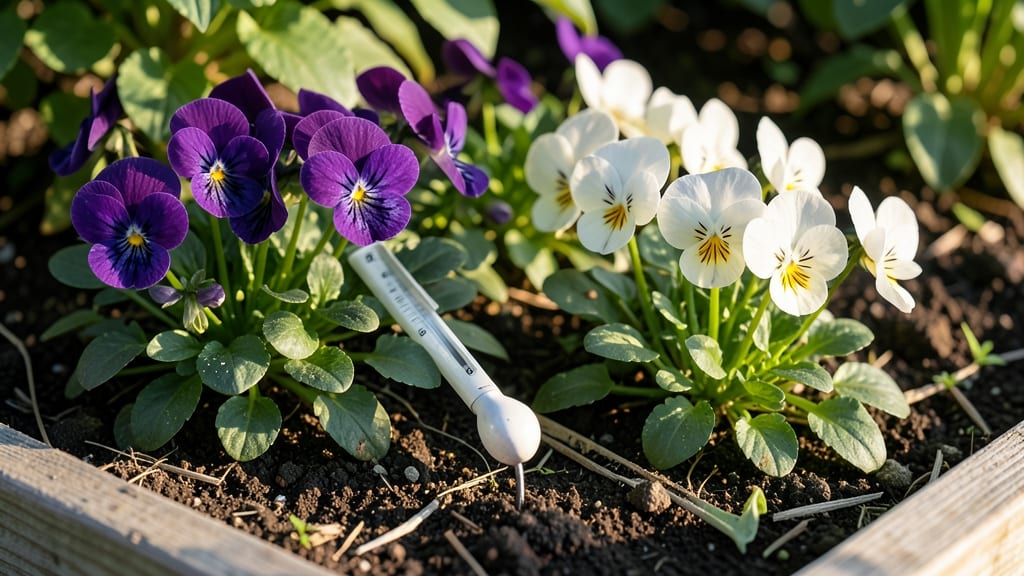
Pansies need partial shade to thrive, balancing sun and shade for the most vibrant blooms 🌸 — too much direct light can scorch their delicate petals, while too little leaves them leggy and sparse.
Picture this: your spring garden bursting with color, only for those cheerful pansies to wilt under the afternoon sun or stretch pitifully toward a dim corner.
The key lies in finding the sweet spot between 4-6 hours of bright, indirect light and afternoon shade, especially in warmer climates like USDA Zone 6a.
In cooler spring months, pansies can handle morning sun paired with afternoon shade, but if you’re in a hotter region, afternoon shade becomes non-negotiable. Even a simple adjustment—like placing them under a tree or near a north-facing wall—can mean the difference between weeks of blooms and early burnout.
Below, I’ll break down how to read your pansies’ light needs, spot stress signals (like yellowing leaves or sparse flowers), and tweak their placement for year-round color—no guesswork required.
 Best Window Placement
Pansies in sun vs shade: the truth about light requirements for peak blooms
Pansies love to show off their vibrant blooms but need the right light to perform at their best. Too much direct sun can scorch their delicate leaves, while too little light leads to leggy stems and sparse flowers. The ideal spot balances morning sun with afternoon shade, but regional climates change the game. Let’s break down how to give your pansies the perfect light recipe for long-lasting color.
In cooler climates (USDA Zones 3-6), pansies handle 4-6 hours of sun daily without stress. Their thick leaves and compact growth make them tougher than many realize. However, in hotter zones (Zones 7-10), afternoon shade becomes non-negotiable.
Without it, their petals bleach and growth slows. The key is understanding microclimates—your garden’s hidden light hotspots.
Here’s how light exposure directly impacts pansies:
🌞 Full Sun (6+ hours): Pansies wilting, yellowing leaves, and fewer blooms. Their water needs spike to prevent dehydration. Only hardy varieties like 'Matrix' tolerate this briefly.
☀️ Partial Sun (4-6 hours): The sweet spot! Pansies grow compact, produce larger blooms, and last weeks longer. Morning sun + afternoon shade = peak performance.
🌳 Partial Shade (2-4 hours): Still works, but expect smaller flowers and taller stems. Best for woodland gardens or north-facing beds where sun is scarce.
🌑 Full Shade (<2 hours): Pansies struggle—pale leaves, few blooms, and weak stems. Reserve this for container pansies near north windows or under dense trees.
🌸 Pansy Light Requirements Comparison
| Light Condition | Daily Sun Hours | Bloom Size | Growth Habit | Water Needs | Best For |
|---|---|---|---|---|---|
| Full Sun | 6+ hours | Small, sparse | Leggy, weak | Very high | Hot climates (with afternoon shade) |
| Partial Sun | 4-6 hours | Large, abundant | Compact, bushy | Moderate | Most gardens (ideal) |
| Partial Shade | 2-4 hours | Small, fewer | Tall, leggy | Low | Woodland gardens |
| Full Shade | <2 hours | Very small | Weak, sparse | Minimal | Containers near north windows |
For hot climates (like Zone 9-10), use dappled shade from trees or a 30% shade cloth to filter intense afternoon rays. In cooler zones, pansies can handle morning sun + light afternoon shade—think east-facing beds or west-facing spots with afternoon relief.
Pro tip: Mulch heavily (2-3 inches) to keep roots cool and moist. This mimics their natural woodland edges
How to adjust light for pansies in different climates: a gardener’s guide
Pansies are famously adaptable, but their light needs can make or break those iconic vibrant blooms. In cool climates, they handle full sun beautifully, while hot regions demand afternoon shade to prevent scorching.
The key? Understanding how to tweak their environment based on your local climate and seasonal shifts. Let’s break down how to give your pansies the perfect light balance.
Start by observing your garden’s microclimates. A spot near a north-facing wall or under dappled tree shade might be ideal for summer, while the same area could get too little light in winter.
Use reflective surfaces like light-colored mulch or gravel to bounce extra sunlight onto shaded areas. Even a white garden marker near pansies can help redirect light during cloudy days.
⚠️ callout-warning ⚠️
For full-sun lovers, place pansies where they get morning sun and afternoon shade. A west-facing bed with a trellis or lattice overhead works wonders—it filters harsh afternoon rays while letting in gentle morning light. If your pansies are in containers, rotate them weekly to ensure even light exposure on all sides, preventing one-sided growth.
In shady gardens, boost light with reflective mulch or mirror panels placed strategically. A south-facing window with sheer curtains can also provide the bright indirect light pansies crave.
If shade is unavoidable, opt for shade-tolerant pansy varieties like 'Cool Wave' or 'Soraya', which handle lower light better than others.
Watch for light stress signs like pale leaves or stretched stems, which mean your pansies need more light. Conversely, crispy edges or bleached petals signal too much sun.
Adjust their spot gradually—moving them too quickly can shock the plants. A slow transition over 5-7 days helps them adapt without stress.
Pro tip: Use seasonal adjustments. In summer, provide more shade; in winter, move containers to sunnier spots. With these tweaks, your pansies will reward you with bold blooms from spring to frost. Happy gardening! 🌸