
Shrubs
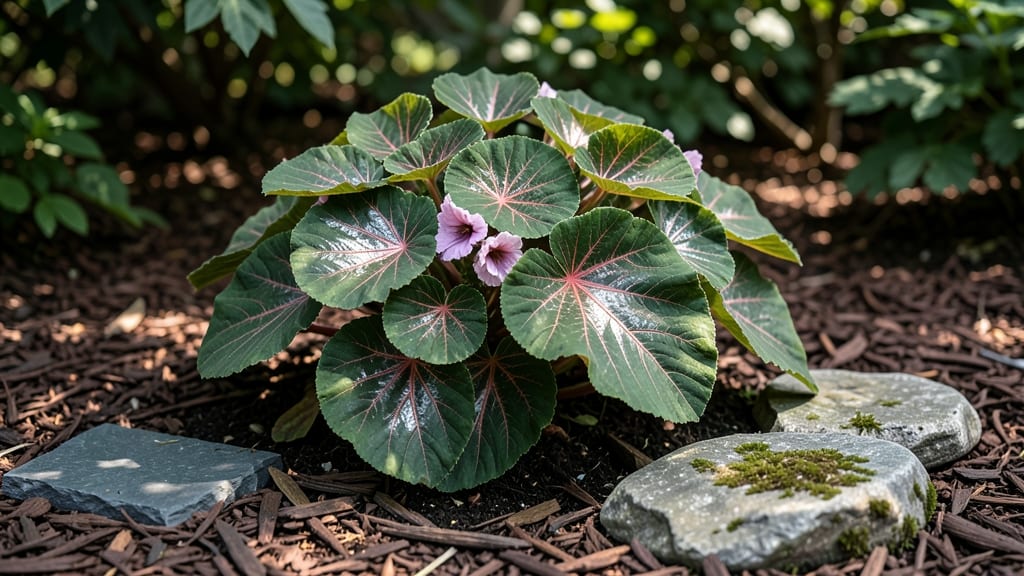
Shade gardens finally have a showstopper: begonias that thrive where others fail. 🌿 These plants turn dull corners into lush canvases with foliage so striking it feels like cheating—velvety textures, jewel-toned hues, and patterns that make you double-take.
My first Rex begonia collection transformed a shady patio into a tropical escape, and I’ve been hooked ever since. The secret lies in their adaptability: Angel Wing begonias love humidity, Wax begonias tolerate drier shade, and Rex begonias crave consistent moisture.
Group them with ferns and hostas for a layered, forest-floor effect, or tuck them into containers where their dramatic leaves become the star. Even in deep shade, they’ll reward you with year-round interest—some varieties even bloom in low light.
What you’ll end up with is a garden that feels alive, even in the darkest spots. The foliage stays vibrant through summer heat and winter chill, and their slow-growing nature means less maintenance. For shade lovers tired of boring green, this is your moment to shine.
Works in borders, hanging baskets, or as standalone specimens. Let’s bring that bold shade garden to life!
📚 In This Guide
- What you need
- Instructions
- Tips and common mistakes
- Wrapping up and next steps
What you need
- ● Begonia plants: Choose 3–5 varieties (e.g., Begonia rex for striking foliage or Begonia boliviensis for trailing beauty). Opt for container-grown or bare-root plants from a reputable nursery.
- ● Well-draining potting mix: 5–10 gallons of a mix designed for tender perennials or shade-loving plants (e.g., 60% peat moss, 30% perlite, 10% compost). Avoid heavy garden soil!
- ● Containers or garden beds: Containers: 5–10-inch diameter pots with drainage holes (1–2 plants per 6-inch pot). Terracotta or fabric pots work best.
- ● Garden beds: Ensure 6+ inches of loose, amended soil with organic matter (e.g., compost or coconut coir). Test soil pH (5.5–6.5 is ideal).
- ● Slow-release fertilizer: Balanced 10-10-10 or 20-20-20 (1 tbsp per gallon of soil) to kickstart growth.
- ● Mulch: 2–3 inches of pine bark fines or shredded leaves to retain moisture and suppress weeds.
- ● Watering can or hose with a gentle spray nozzle: Begonias hate soggy roots—aim for consistent moisture (not soggy soil).
- ● Pruning shears: Sharp, sterilized shears for trimming leggy stems or dead leaves.
- ● Peat moss or sphagnum moss: For extra moisture retention in hot, dry shade.
- ● Liquid fertilizer (e.g., fish emulsion or seaweed extract): Diluted to ½ strength every 4–6 weeks during growing season.
- ● Decorative stones or pebbles: For a polished look in containers (ensure they don’t block drainage!).
- ● Shade cloth (30–50% coverage): If your garden gets bright, indirect light (e.g., dappled sunlight).
- ● Humidity tray: A shallow tray filled with pebbles and water to boost humidity for Begonia rex varieties.
How to grow begonias in shade gardens for stunning year-round color
Here’s how I grow bold begonias that thrive where others fail—no sun required.
🌱 Step 1: Choose the Right Begonia Varieties for Your Shade Level
Not all begonias are shade-tolerant, so pick wisely. Rex begonias with their striking foliage patterns and wax begonias with glossy leaves handle low light best. Avoid tuberous begonias—they need bright, indirect light to bloom. I always check the plant tag for "shade-tolerant" labels before buying.
For deep shade under trees, go for rex begonias like 'Silver Spot' or 'Tiger Paw.' For partial shade (4-6 hours of filtered light), wax begonias like 'Café Au Lait' or 'Pink Beauty' deliver vibrant blooms. Place them where leaves stay moist but never soggy—begonias hate dry air and wet roots.
🪴 Step 2: Prepare Well-Draining, Moisture-Retentive Soil
Begonias despise soggy roots but need consistent moisture. Mix 2 parts peat-based potting soil with 1 part perlite or orchid bark to improve drainage. I add a handful of compost for nutrients, but avoid garden soil—it compacts and suffocates delicate roots.
Test your mix by squeezing a handful. It should hold shape but crumble when pressed. If it stays clumpy, add more perlite. For container growing, use a pot with drainage holes and fill it 3/4 full to leave room for watering. Begonias in pots dry out faster than in-ground plants.
☀️ Step 3: Plant in Sheltered Spots with Indirect Light
Begonias thrive in dappled shade or bright indirect light. Avoid harsh afternoon sun, which burns their tender leaves. I place mine under deciduous trees where they get morning sun and afternoon shade. For containers, rotate pots weekly so all sides get even light.
Dig a hole twice as wide as the root ball but no deeper. Loosen the roots gently if they’re circling. Water thoroughly before planting to settle the soil around roots. Press lightly to remove air pockets, but don’t compact the mix—begonias need air at their roots.
💧 Step 4: Water Consistently Without Overdoing It
Keep soil evenly moist but never waterlogged. Stick your finger 1 inch deep—if it feels dry, water deeply until it runs out the drainage holes. I water in the morning so leaves dry quickly, preventing fungal diseases like powdery mildew.
Mist foliage occasionally in dry climates, especially rex begonias, which prefer humidity. Avoid wetting leaves when possible—water at the base instead. Overwatering is the #1 killer of begonias, so let the top inch dry out slightly between waterings in winter.
✂️ Step 5: Prune and Fertilize for Lush Growth
Pinch back leggy stems in early spring to encourage bushier growth. Remove spent blooms on wax begonias to prolong flowering. I use a clean pair of scissors to cut just above a leaf node. Never prune more than 1/3 of the plant at once—begonias are sensitive to drastic changes.
Feed every 4-6 weeks with a balanced liquid fertilizer (10-10-10) diluted to half strength. Rex begonias need less fertilizer—too much salts the soil and burns roots. Flush the soil with water monthly to prevent buildup. In winter, reduce watering and fertilizing to once every 8 weeks.
Tips & tricks for perfect begonias in shade gardens
Here's what nobody tells you about growing begonias that actually thrive in deep shade.
Variety Selection: When choosing begonias for deep shade, focus on rex begonias like 'Silver Spot' or 'Tiger Paw'—their stunning foliage patterns make them perfect for low-light spots. For partial shade (those 4-6 hours of filtered light mentioned in Step 1), wax begonias like 'Pink Beauty' will reward you with vibrant blooms. I've learned the hard way that tuberous begonias won't survive in deep shade—they need bright light to bloom properly.
Soil Mixing: The 2:1 ratio of peat-based potting soil to perlite/orchid bark is perfect, but here's the trick: always pre-moisten your soil mix before planting. Dry soil clumps when wet, making it harder to work with. I mix mine in a large bucket with just enough water to make it damp but not soggy—this prevents air pockets that can suffocate delicate roots. For container growing, use pots with drainage holes and fill only 3/4 full to prevent root rot.
Light Positioning: In Step 3, when you're planting under trees, watch out for those late afternoon shadows—they can be too harsh. I've found that placing begonias on the north or east side of trees gives them the perfect balance of morning sun and afternoon shade. For containers, rotate them weekly so all sides get even light exposure, preventing lopsided growth.
Watering Wisdom: The 1-inch deep soil check is spot-on, but here's my extra tip: use a moisture meter for beginners—it takes the guesswork out of watering. In winter, let that top inch dry out more between waterings, but never let the soil completely dry out. I've seen begonias revive from mild drought stress, but they rarely recover from being left bone-dry for more than a week.
Pro Tips for Begonias For Shade Gardens
- Here's what nobody tells you about growing begonias that actually thrive in deep shade.
- Variety Selection: When choosing begonias for deep shade, focus on rex begonias like 'Silver Spot' or 'Tiger Paw'—the...
- Soil Mixing: The 2:1 ratio of peat-based potting soil to perlite/orchid bark is perfect, but here's the trick: always...
Frequently asked questions
Got questions about growing begonias in shade gardens? You’re not alone! Here are some of the most common concerns—and their easy solutions—so you can confidently add these showstoppers to your low-light space.
What’s the best way to prepare soil for shade-loving begonias?
Begonias prefer well-draining, moist (but not soggy) soil rich in organic matter. Amend heavy clay with compost or peat moss to improve aeration. A pH of 5.5–6.5 is ideal—test your soil and adjust with sulfur (to lower pH) or lime (to raise it) if needed. Pro tip: Mix in a handful of perlite or sand for extra drainage in containers!
When is the best time to plant begonias in shaded areas?
For tender begonias (like Begonia rex or Begonia boliviensis), wait until after the last frost in spring (typically late May–June in most zones). Tuberous begonias need planting 2–3 weeks before your average last frost for blooms by summer. Evergreen begonias (like Begonia semperflorens) can go in early spring or fall.
Can begonias survive in very dark shade (like under trees)?
Yes! Many begonias thrive in partial to full shade, especially foliage types like Begonia rex or Begonia metallica. For deep shade under dense canopies, choose low-light specialists like Begonia dregei or Begonia coccinea. Just ensure they get at least 3–4 hours of indirect light daily—otherwise, growth may slow, and leaves can pale.
Why are my begonia leaves turning yellow or spotted?
Yellowing leaves often signal overwatering or poor drainage. Spots or holes? Likely pests (like aphids, spider mites, or slugs) or fungal issues from excess moisture. Fix it: Trim affected leaves, repot if soil is waterlogged, and spray with neem oil or insecticidal soap. Prevent future problems by watering at soil level (not overhead) and ensuring pots/containers have drainage holes.
Are there non-flowering begonia varieties that do well in shade?
If you love bold foliage over blooms, try these shade-stunners:
- Begonia rex – Striking, iridescent leaves in burgundy, silver, or black.
- Begonia masoniana – Velvet-textured, heart-shaped leaves in deep red.
- Begonia erythrophylla – Fuzzy, coppery-pink foliage with a tropical vibe.
- Begonia dregei – Glossy, dark green leaves with a succulent-like look.
Wrapping up and next steps
Begonias are the perfect shade-loving superstars for transforming dark corners of your garden into vibrant, lush spaces! 🌿 With their stunning foliage and low-maintenance nature, they’re ideal for adding color and texture where sunlight is scarce.
Whether you’re a seasoned gardener or just starting out, these plants offer endless creativity—so grab a few, experiment with placement, and let your shade garden shine.
Ready to dive in? Start small—pick one or two varieties to test in your garden, then expand your collection as you fall in love with their beauty. Happy planting! 🌸