
Plants
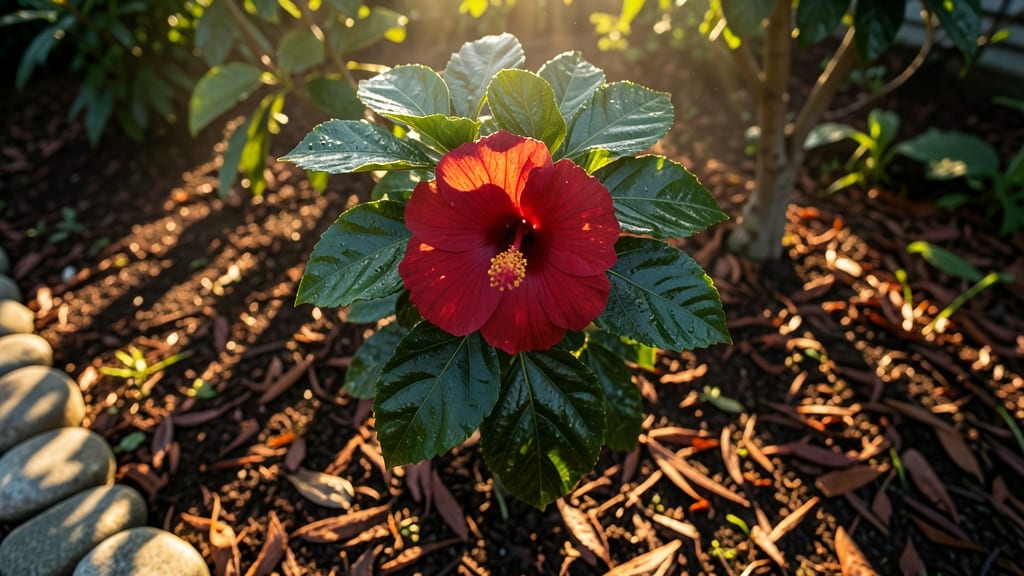
Do hibiscus like the sun or shade, and how much of each does this tropical beauty actually need to burst into those vibrant blooms you adore?
Struggling to keep your hibiscus blooming? The battle between sun and shade might be the missing piece—getting the light balance right can transform your plant from sparse flowers to a vibrant, show-stopping display.
Most hibiscus varieties, especially tropical ones, crave 6 to 8 hours of direct sunlight daily to fuel their growth and flower production. But too much scorching heat or deep shade can leave your plant weak, leggy, or flowerless.
In this guide, I’ll break down exactly how much sun your hibiscus needs, how to spot light-related problems, and even which varieties handle shade best—so you can give your plant the perfect spot for year-round color.
 Best Window Placement
How much sunlight does hibiscus need for optimal growth?
If you're asking, "do hibiscus like sun or shade," the short answer is: they thrive in full sun but can tolerate partial shade—though with trade-offs. Hibiscus plants, especially tropical varieties, need 6-8 hours of direct sunlight daily to produce their iconic, show-stopping blooms.
Without enough light, you’ll notice fewer flowers and leggy growth. Let’s break down the ideal conditions and how to assess your garden’s sunlight for perfect hibiscus care.
Hibiscus plants are sun-worshippers at heart. In their native tropical and subtropical climates, they bask under bright, unfiltered sunlight for most of the day. This light intensity fuels their energy for lush foliage and abundant blooms.
However, hibiscus can adapt to partial shade—especially in hotter climates where afternoon sun might be too intense. The key is understanding your local climate and adjusting accordingly.
Here’s the golden rule: 6-8 hours of morning sun is non-negotiable for optimal growth. Morning sunlight is gentler and helps prevent leaf scorch, while afternoon shade can protect delicate foliage in extreme heat.
In cooler climates, hibiscus can handle more direct sun, even into the afternoon. But in sweltering regions like the Southwest U.S., afternoon shade becomes a lifesaver.
| Hibiscus Type | Sunlight Needs | Ideal Hours of Sun | Shade Tolerance | Bloom Impact |
|---|---|---|---|---|
| Tropical Hibiscus | Full Sun | 6-8+ hours | Morning sun, afternoon shade | Maximal blooms |
| Hardy Hibiscus | Full Sun to Partial Shade | 5-7 hours | Tolerates more shade | Moderate blooms |
| Dwarf Varieties | Partial Sun | 4-6 hours | Best in filtered light | Fewer blooms |
| Indoor Hibiscus | Bright, Indirect Light | 4-6 hours near window | Avoid direct midday sun | Limited blooms |
Assessing your garden’s sunlight is easier than you think. Start by observing your space for at least a week. Note how shadows move throughout the day—especially around your potential hibiscus spot. Use a sunlight tracker or even a simple white sheet of paper to mark shadow patterns.
If your garden gets less than 4 hours of direct sun, hibiscus may struggle to bloom, no matter how much you fertilize.
For tropical climates, hibiscus can handle morning sun and afternoon shade to prevent heat stress. In temperate zones, they’ll thrive in full sun all day long, especially during spring and summer.
If you’re in a USDA Zone 8-10, prioritize afternoon shade in peak summer months. In cooler regions like Zone 5-7, full sun is ideal—just protect young plants from late frosts.
One common misconception is that hibiscus can thrive in deep shade. While they might survive, their growth will be stunted, and blooms will be sparse.
If your hibiscus is already in a shady spot, consider relocating it to a sunnier area gradually—exposing it to more light too quickly can cause sunburn. Start with 2-3 extra hours of sun per day and monitor for stress signs like yellowing leaves.
Pro tip: If you’re growing hibiscus in containers, place them where they’ll get maximum sunlight. Containers heat up faster, so ensure they’re in a spot with good airflow to prevent root rot.
For potted hibiscus indoors, a south-facing window is your best bet, but supplement with a grow light if natural light is insufficient. Aim for 12-14 hours of light daily to mimic outdoor conditions.
Remember, hibiscus are not one-size-fits-all. Some varieties, like the hardy hibiscus (Hibiscus moscheutos), tolerate more shade than tropical types. Always check the specific variety’s care requirements before planting. With the right light balance, your hibiscus will reward you with bold, vibrant blooms that last from summer through fall.
Ready to transform your hibiscus from a bloom-less bush to a flower powerhouse? Start by auditing your garden’s sunlight today—your hibiscus will thank you with show-stopping color all season long! 🌸
Signs your hibiscus isn’t getting the right light (and how to fix it)
Your hibiscus might be silently screaming for help if it’s not getting the right light balance. Too much shade leads to leggy stems and sparse blooms, while excessive sun can scorch leaves and stress the plant.
I’ve seen hibiscus thrive with proper light, but even the hardiest varieties need a little troubleshooting when conditions change.
Start by checking the leaves and stems—these are your hibiscus’s way of communicating. If you notice yellowing leaves or brown leaf edges, it’s often a sign of over-exposure to sun.
On the flip side, pale green leaves or stretched-out growth usually means it’s craving more sunlight. These clues help you adjust care before the plant suffers long-term damage.
⚠️ callout-warning ⚠️
🌱 Hibiscus Light Myth Buster
MYTH: Hibiscus can thrive in deep shade.
REALITY: While some varieties tolerate partial shade, most hibiscus need 6-8 hours of direct sun daily. Even hardy hibiscus varieties will struggle without adequate light, leading to fewer blooms and weaker stems. Think of shade as a temporary fix, not a long-term solution.
QUICK FIX: Move potted hibiscus to a sunnier spot or prune shaded plants to encourage bushier growth toward the light.
If your hibiscus is underwatered or overwatered, light issues can make problems worse. For example, too much shade slows evaporation, leading to root rot if you keep watering on a summer schedule. Conversely, excessive sun dries soil faster, so you might unintentionally underwater the plant.
Adjust your watering routine based on light exposure—shadier spots need less frequent watering, while sunny areas may require daily checks in peak summer.
Don’t overlook pruning as a light fix. If your hibiscus is growing tall and sparse from too little light, prune back 1/3 of the leggy stems to encourage denser foliage and more blooms.
Focus on cutting just above a leaf node or bud to redirect energy toward healthier growth. This works wonders for indoor hibiscus or plants in shady corners of the garden.
For outdoor hibiscus, consider relocating if your current spot isn’t working. A south-facing window or a morning sun location (with afternoon shade in hot climates) often works best.
If you’re in a tropical zone, hibiscus can handle full afternoon sun, but in cooler climates, morning sun with afternoon shade prevents leaf scorch. Test a new spot for a few weeks before committing—hibiscus adapt well to changes!
Finally, fertilize strategically based on light conditions. Hibiscus in full sun need balanced fertilizer (like 10-10-10) every 4-6 weeks to fuel blooms. In partial shade, reduce fertilizer by half and focus on root health with compost.
Over-fertilizing shaded hibiscus leads to leafy growth at the expense of flowers, which is the opposite of what you want.