
Plants
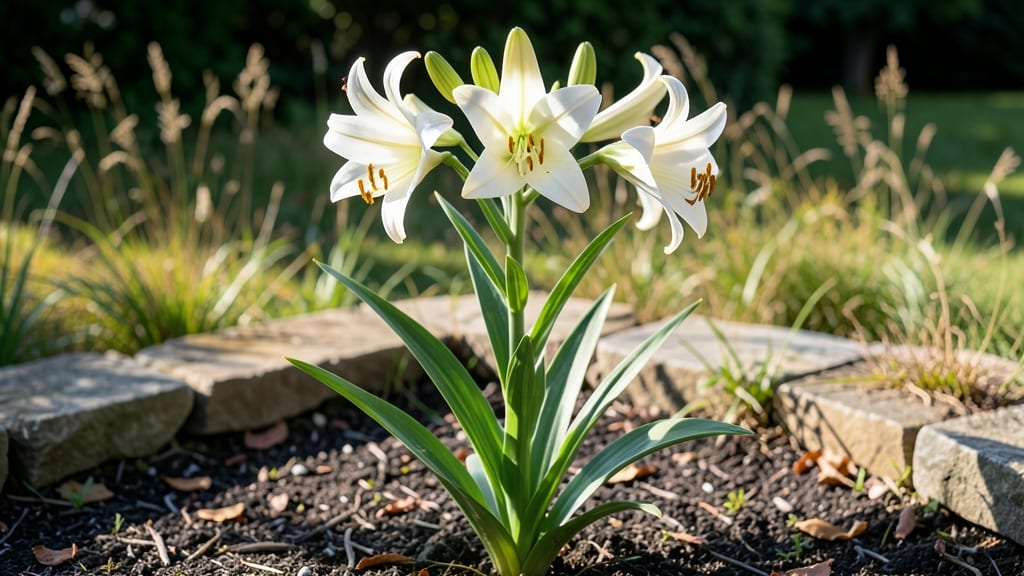
Lilies like a mix of sun and shade, with most varieties doing best in partial shade to full sun. Morning sunlight with afternoon shade helps prevent leaf burn, while daylilies handle more direct sun. True lilies (like Asiatic types) prefer dappled light for vibrant blooms and healthy foliage.
Lilies actually have specific light needs depending on the type. True lilies (like Oriental or Asiatic hybrids) thrive in filtered sunlight—think dappled light through trees—which protects their delicate petals from harsh afternoon rays.
Meanwhile, daylilies (often called "lilies" but botanically different) are sun lovers, tolerating full sun with minimal shade.
The key is balancing light exposure: too much sun causes wilting, while too little shade can lead to weak stems and fewer blooms. 🌿 For container gardening, place them where they get morning sun and afternoon shade, adjusting as seasons change.
If you're unsure about your garden's light conditions, observe the area for a few days: a spot with 3-6 hours of direct sun and the rest in shade is ideal for most lilies.
For true lilies, add a light-colored shade cloth (30-50% coverage) during peak summer hours to mimic natural dappled light. This simple adjustment can make all the difference in bloom size and plant longevity.
💡 In This Article
- How Sunlight Affects Lily Bloom Color and Growth
- Creating the Ideal Lily Light Environment: Practical Tips
How sunlight affects lily bloom color and growth
The way sunlight interacts with lilies triggers a fascinating biological response. True lilies (like Asiatic or Oriental hybrids) produce more vibrant blooms when exposed to 3-5 hours of morning sun followed by afternoon shade. This light pattern prevents photoinhibition, where excessive UV rays damage chlorophyll and cause leaf burn.
The result? Petals develop deeper pigments—think richer yellows, purples, and whites—because the plant allocates more energy to flower production rather than stress protection. 🌸 In contrast, daylilies (Hemerocallis) thrive in full sun because their thicker leaves and stems can handle up to 6-8 hours of direct light without scorching.
Light exposure also directly impacts growth patterns. True lilies grown in too much sun may produce smaller blooms with shorter stems, as the plant prioritizes leaf growth to shield itself. The science lies in phytochrome pigments—light-sensitive molecules that regulate flowering.
In shade, these pigments trigger longer stems and larger blooms, while intense sun can stunt this process. For example, an Asiatic lily in full sun might bloom 2-3 weeks earlier but with 30% smaller flowers than one in partial shade. The trade-off?
Shaded lilies often rebloom more prolifically in the second season.
Moisture retention plays a hidden role too. Shade preserves soil moisture, which is critical for lily roots. In full sun, soil can dry out 2-3x faster, forcing lilies to divert energy to water uptake instead of blooming.
This is why mulching with 2-3 inches of organic matter (like shredded bark) helps mimic natural shade conditions by reducing evaporation. For container-grown lilies, choose pots with 14-16 inch diameters to give roots enough space to access moisture while still benefiting from filtered light.
Color intensity is another giveaway. True lilies exposed to dappled sunlight (like through tree canopies) develop more saturated hues because the intermittent light triggers higher anthocyanin production—the same pigments that make blueberries deep purple.
For instance, a white Oriental lily in full sun may appear pale, while the same variety in partial shade can develop soft lavender undertones. This effect is most noticeable in late summer blooms, when UV levels peak but temperatures remain moderate.
Seasonal light changes also matter. In spring, lilies benefit from gradual sun exposure, starting with 2-3 hours of morning light and increasing by 1 hour per week to avoid shock.
Conversely, in winter, prune nearby trees to allow more winter sunlight, which helps lilies store energy for spring growth. The goal? Mimic the natural light cycles lilies evolved with—morning sun for energy, afternoon shade for protection.
Here’s a quick comparison to help visualize:
- True Lilies (Asiatic/Oriental): 3-5 hours morning sun + afternoon shade → Vibrant blooms, lush foliage
- Daylilies (Hemerocallis): 6-8 hours full sun → Bold colors, drought-tolerant
- Candy Lilies (Lilium longiflorum): Partial shade year-round → Delicate white blooms, fragrant
Pro tip: If your lilies start wilting by midday, they’re getting too much sun. Move them 1-2 feet closer to shade or add a 30% shade cloth for instant relief. 💫