
Light Requirements
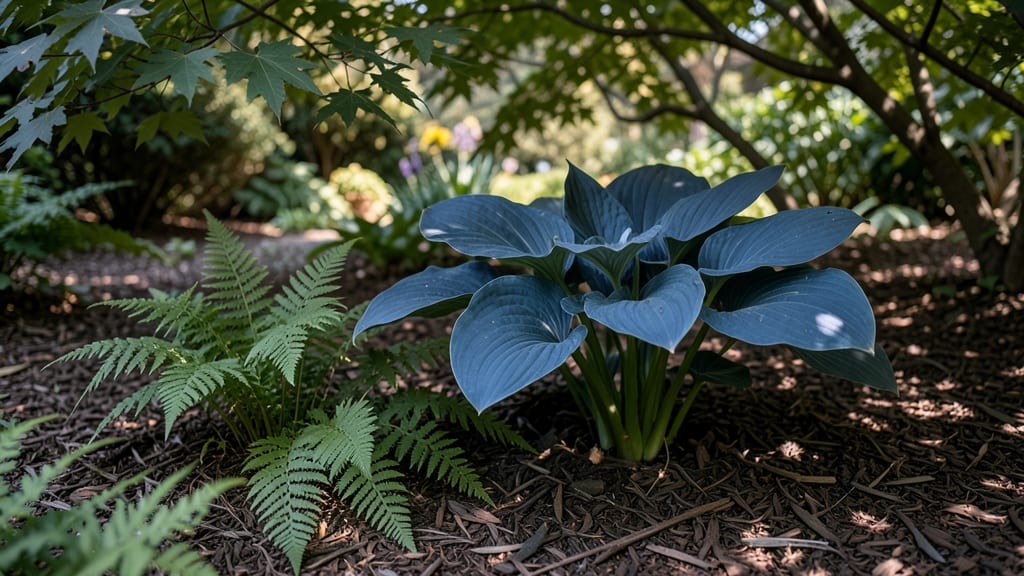
This lighting condition creates a balanced environment where plants avoid overheating while still getting enough energy for photosynthesis. 🌿 The key is understanding how different plants respond to light angles—morning sun is gentler, while afternoon rays can be more intense.
Many shade-loving varieties, like hostas or ferns, actually suffer if they get too much direct light, which is why partial shade becomes their ideal habitat.
What's interesting is how this definition varies by region. In cooler climates, a spot might qualify as partial shade even with 5 hours of sun, while hotter areas may need stricter limits.
I always recommend observing your garden's light patterns for a few weeks before planting—using a simple light meter or even a white sheet to track sun exposure can make all the difference in plant success.
💡 In This Article
- How Partial Shade Affects Plant Growth and Light Requirements
- Best Plants for Partial Shade Gardens and Their Care Needs
How partial shade affects plant growth and light requirements
Partial shade creates a delicate balance where plants receive just enough sunlight for photosynthesis without suffering from heat stress or leaf scorch.
The key lies in light intensity—morning sun (before 10 AM) provides gentler, cooler rays with lower UV exposure, while afternoon sun (after 2 PM) brings more intense light that can damage sensitive foliage.
This is why plants in partial shade often show healthier growth patterns compared to those in full sun or deep shade.
The science behind this involves chlorophyll production and photorespiration. Plants in partial shade typically develop thicker leaves with more chlorophyll to capture available light efficiently. 🌱 For example, hostas in partial shade may produce larger leaves than those in full sun, where leaves often become thin and crispy.
The 3-6 hour sunlight window ensures plants get enough energy for growth while avoiding the oxidative damage caused by prolonged exposure to midday sun.
Light duration also affects water needs—plants in partial shade generally require 10-15% less water than those in full sun because they lose less moisture through transpiration.
However, the quality of shade matters too: dappled light from trees creates microclimates where humidity remains higher, while solid shade (like from a building) can create cooler, drier conditions. This is why ferns thrive under tree canopies but may struggle against a brick wall.
What most gardeners overlook is how light angles change with seasons. In summer, the sun's path is higher, potentially increasing direct exposure to 4-5 hours in what might otherwise be considered partial shade.
This is why I recommend adjusting plant placement seasonally—moving shade-loving plants slightly during peak summer months can prevent unexpected stress. 🌿 The goal is to mimic the natural light patterns plants evolved with, where gradual transitions between light and shade occur.
Color also plays a subtle but important role. White or light-colored surfaces reflect more light, increasing intensity by up to 20%**, while dark surfaces absorb heat.
This is why planting near light-colored fences or walls can create unintended "hot spots" that push a spot from partial shade into full sun conditions. Always consider your garden's reflective surfaces when planning shade placements.
For those tracking light scientifically, a simple experiment helps: place a white sheet on the ground where you're considering planting. If the sheet shows clear shadows for 3-6 hours with the rest of the day showing diffuse light, you've found your perfect partial shade spot.
This method gives you a visual representation of how light behaves in your specific microclimate.