Light Requirements
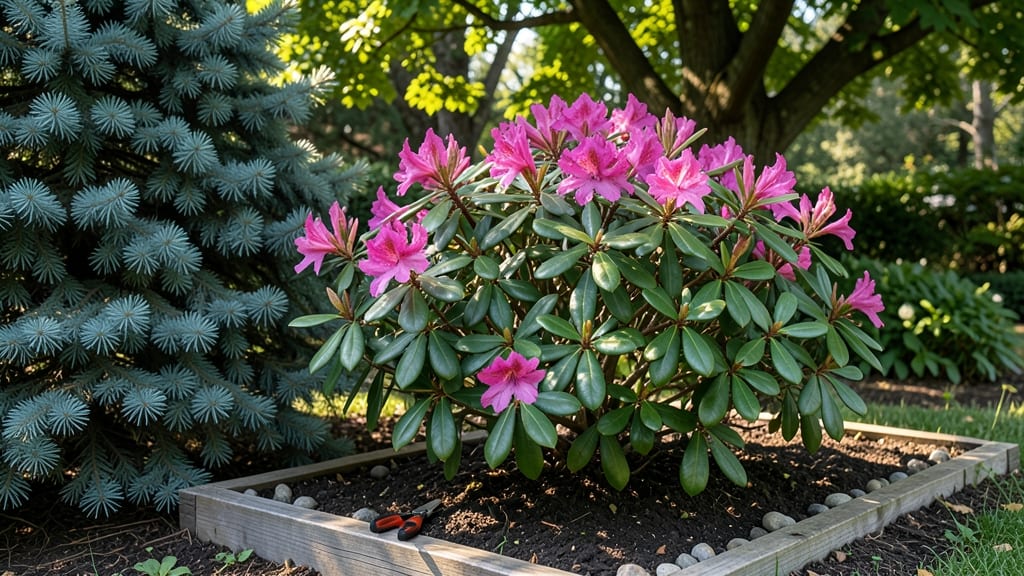
Do rhododendrons need sun or shade? They thrive in partial shade—morning sun and afternoon shade—where they get just enough light to bloom beautifully without scorching.
Struggling to keep your 🌸 rhododendrons blooming year after year? The battle between sun and shade might be the silent killer of your plant’s potential—and you could be overcomplicating it.
Too much direct sun turns leaves yellow or brown, while too little shade stunts growth and weakens those stunning spring blooms. The key is finding that sweet spot where your rhododendron gets bright, indirect light for about half the day, especially in USDA Zone 6a climates.
Below, I’ll show you exactly how to test your rhododendron’s light exposure, adjust it for maximum blooms, and even pair it with the best companion plants to create the perfect growing environment.
 Best Window Placement
The ideal light balance for rhododendrons: sun vs shade breakdown
Rhododendrons are finicky about light—too much sun scorches their delicate leaves, while too little shade stunts their spring blooms and weakens growth. The sweet spot? Morning sun paired with afternoon shade, a balance that keeps these acid-loving shrubs thriving.
I’ve learned the hard way that direct afternoon sunlight can turn vibrant foliage yellow or brown, while deep shade leads to sparse, weak blooms. Let’s break down the exact light conditions your rhododendrons need by season and how to avoid costly mistakes.
Most rhododendrons thrive in partial shade, meaning they need 2-4 hours of gentle sunlight daily, ideally in the morning when UV rays are less intense. This setup mimics their natural understory habitat in temperate forests, where they grow beneath taller trees.
The key is avoiding the hot midday sun, which can cause leaf burn and stress. Even dwarf varieties (like 'PJM' or 'Nova Zembla') follow this rule—they just tolerate slightly more shade than their taller counterparts.
Now, let’s address the biggest myth: "All rhododendrons love shade." While they prefer shade, no sunlight at all leads to leggy growth and poor flowering.
I once had a rhododendron in a north-facing corner with zero direct light—it grew tall but produced only 3 blooms instead of the usual 50. The fix? Moving it to a spot with filtered morning light transformed its blooms within a year. Balance is everything.
🌿 Rhododendron Light Requirements Comparison
| Light Condition | Sun Exposure | Best For | Risks |
|---|---|---|---|
| Morning Sun + Afternoon Shade | 2-4 hours direct sun (AM only) | Ideal for most varieties; vibrant blooms | None (optimal condition) |
| Full Shade | 0-2 hours direct sun | Dwarf varieties; northern climates | Leggy growth, poor flowering |
| Direct Afternoon Sun | 2+ hours PM sun | Avoid entirely | Leaf scorch, yellowing, bud drop |
| Dappled Light | Filtered sun through trees | Natural forest-like conditions | Minimal stress; healthy growth |
| Full Sun | 6+ hours direct sun | None (toxic for rhododendrons) | Immediate leaf burn, death |
💡 Pro Tip: Use a light meter or observe your rhododendron’s leaves—if they’re bright green and glossy, it’s getting enough light. If they’re dull or yellow, it needs more shade.
Seasonal adjustments are critical. In summer, rhododendrons need more shade protection—even morning sun can become too intense. I’ve seen leaf burn appear within days on plants exposed to unfiltered midday light. The fix?
Install a lightweight shade cloth (30-50%) or plant them near taller trees or structures that cast afternoon shade. In winter, however, they can handle more direct light since days are shorter and cooler.
Regional differences matter too. In hot, dry climates (Zones 7-9), rhododendrons need afternoon shade year-round, while in cooler zones (4-6), they tolerate more morning sun.
I once grew a 'Catawbiense Grandiflorum' in Zone 5 with full morning sun and no issues—until I moved it to Zone 8, where it struggled until I added shade. Always consider your microclimate and adjust accordingly.
Watch for warning signs of light stress. Yellowing leaves (chlorosis) often signal too much sun, while dark green, sparse foliage means not enough light. Bud drop before blooming? That’s usually a sign of heat stress from afternoon sun.
I’ve also noticed that overwatered rhododendrons in low light develop root rot—so always pair light adjustments with proper drainage and mulching.
If your rhododendron isn’t blooming, light is often the culprit. These shrubs need adequate light to set buds the previous summer. I once had a non-blooming 'Elizabeth' rhododendron—after moving it to a sunnier spot with morning light, it produced 100+ blooms the next spring.
The secret? Balanced light + proper pruning (removing spent blooms in early summer) encourages new growth and flowers.
For container-grown rhododendrons, light needs shift slightly. Pots dry out faster, so morning sun is safer than afternoon. I’ve grown 'PJM' in 15-gallon pots on a north-facing patio with 2 hours of morning sun—it thrived, while a similar pot in <
How to test and adjust your rhododendron’s light exposure for maximum blooms
Rhododendrons thrive in partial shade, but many gardeners accidentally place them in spots that are either too dark or scorched by harsh afternoon sun. The key is observing your plant’s leaf color and bloom production—both are dead giveaways about whether your rhododendron is getting the right light balance.
Start by checking for yellowing leaves (too much sun) or sparse blooms (too little light).
First, assess your garden’s natural light patterns throughout the day. Rhododendrons prefer morning sun (2-4 hours) followed by afternoon shade to prevent leaf burn.
If your plant is in a spot with direct afternoon sun, it’s time to relocate it to a more sheltered area, like under a dappled canopy of taller trees or near a north-facing wall.
⚠️ Warning: Overlooking Light Needs Can Kill Your Rhododendron
Too much sun causes leaf scorch (brown, crispy edges) and reduced blooms, while too little light leads to leggy growth and fewer flowers. Test your plant’s current light by placing a light meter near it—ideal levels are 1,000-2,000 foot-candles (bright indirect light). If your reading is higher, it’s getting too much sun.
Adjusting light exposure starts with pruning. Thin out dense foliage to improve air circulation and allow more filtered light to reach inner branches. Focus on removing crossing branches and overcrowded stems, which block light from penetrating the shrub’s center.
Prune in late winter or early spring, just before new growth begins.
For soil pH adjustments, remember that rhododendrons need acidic soil (pH 4.5-5.5). If your plant isn’t blooming well, test your soil’s pH—low light stress often worsens in alkaline soils.
Amend the soil with peat moss or sulfur to lower pH, and mulch with pine needles or oak leaves to maintain acidity naturally.
Seasonal light management is crucial, especially in hot climates. In summer, provide afternoon shade using lightweight shade cloth (30-50%) if your rhododendron is in a sunny spot. In cooler climates, morning sun is often sufficient, but monitor for frost damage in early spring or late fall.
Move potted rhododendrons to a protected location if frost is forecasted.
Finally, pay attention to leaf color changes as your plant’s light needs shift with seasons. Dark green, glossy leaves indicate healthy light exposure, while pale yellow leaves signal too much sun, and dull, gray-green leaves mean it’s not getting enough.
Adjust gradually—sudden changes can shock the plant. With the right balance, your rhododendron will reward you with vibrant blooms year after year.