
Plants
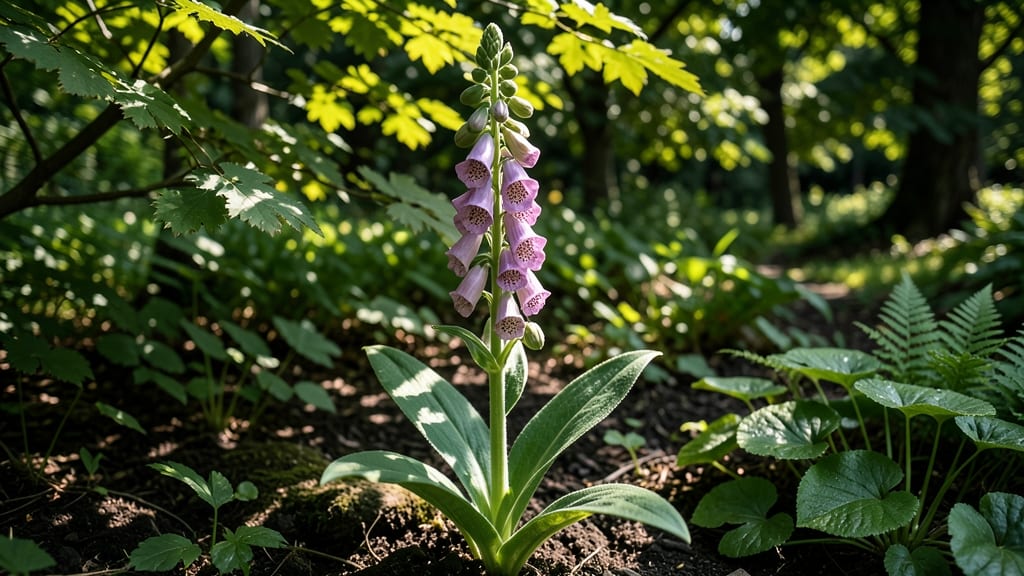
Wondering do foxgloves like shade? They do—thriving in those tricky garden spots where sunlight is scarce.
If you’ve ever wondered whether foxgloves—those striking bell-shaped flowers—thrive in shady spots or need full sun, you’re not alone. The answer isn’t as straightforward as you might think, and understanding their light preferences is key to growing lush, healthy plants.
While they can handle partial shade, too much darkness can lead to leggy stems and fewer blooms. The secret lies in finding the right balance—3 to 6 hours of indirect light per day—while keeping them protected from harsh afternoon rays.
In this guide, I’ll break down the best varieties for shady gardens, soil tips, and companion plants to ensure your foxgloves 🌸 flourish year after year.
 Best Window Placement
Foxglove light requirements: how much shade can they tolerate?
Foxgloves (Digitalis spp.) are one of those magical garden plants that seem to thrive where others struggle. While they’re often associated with woodland edges and shady garden nooks, their light requirements can be surprisingly flexible.
The key lies in understanding the balance between shade and sunlight, as too much of either can lead to weak growth or poor flowering. In my experience, most foxgloves perform best with partial shade, especially in warmer climates where intense afternoon sun can scorch their delicate foliage.
However, not all foxgloves are created equal. Some varieties handle full shade better than others, while a few even appreciate a bit of morning sun. The trick is matching your local climate and foxglove variety to create the perfect growing conditions.
For example, in USDA Zone 6a (where I garden), foxgloves often appreciate 3-6 hours of filtered sunlight daily, especially during their peak growing months of March through May.
| Variety | Light Tolerance | Ideal Conditions | Notes |
|---|---|---|---|
| Digitalis purpurea (Common Foxglove) | Partial Shade | 3-6 hours morning sun | Best for cooler climates; avoid hot afternoon sun |
| Digitalis grandiflora (Giant Foxglove) | Full Shade to Partial Shade | 2-4 hours dappled light | Tolerates deeper shade; ideal for woodland gardens |
| Digitalis obscura (Yellow Foxglove) | Partial Shade | 4-5 hours indirect light | Thrives in moist, shady spots; avoid dry shade |
| Digitalis ferruginea (Rusty Foxglove) | Partial Shade | 3-5 hours filtered sun | Native to Mediterranean; needs afternoon shade |
One common misconception is that foxgloves can grow in any shade, but that’s not entirely true. While they can tolerate full shade, their growth and flowering will suffer without some indirect light.
In my garden, I’ve noticed that foxgloves grown in deep shade (like under dense tree canopies) often produce fewer flowers and longer, leggy stems.
To prevent this, I always position them where they’ll receive at least 2-4 hours of bright indirect light per day, especially during their active growing season from March to June.
If you’re planting foxgloves in a hot, sunny climate (like USDA Zone 8 or higher), they’ll appreciate afternoon shade to prevent leaf scorch. A great spot is near east-facing walls or under deciduous trees that provide shade during the hottest part of the day.
I once tried growing foxgloves in a south-facing bed with no afternoon protection, and within weeks, the leaves turned crispy at the edges—a clear sign of sunburn.
The soil conditions also play a crucial role in how well foxgloves handle shade. In shady areas, I always amend the soil with organic matter like compost or well-rotted manure to improve drainage and fertility.
Foxgloves are heavy feeders, and in low-light conditions, they rely on rich soil to compensate.
A light feeding with a balanced fertilizer (10-10-10) in early spring can make a noticeable difference in their vigor, especially for varieties like Digitalis grandiflora, which can become floppy without proper support and nutrition.
Another tip I’ve learned is to rotate foxglove plants every few years if they’re growing in the same shady spot. Over time, the soil can become depleted of nutrients, and the plants may struggle to produce the tall, sturdy stems they’re known for.
I like to move them to a slightly sunnier spot (but still with morning light) every 3-4 years to give them a nutrient boost and prevent disease. This also helps them reach their mature height of 4-6 feet, which is when they truly shine in the garden
Best foxglove varieties for shady gardens and how to care for them
If you love the dramatic beauty of foxgloves but struggle with shady garden spots, you’re in luck! While these plants prefer partial shade, many varieties thrive in low-light conditions when given the right care.
The key is choosing the right shade-tolerant foxglove varieties and providing optimal growing conditions to maximize their stunning bell-shaped blooms.
Foxgloves (Digitalis spp.) naturally grow in woodland edges and moist meadows, where dappled sunlight filters through trees. This means they’ve adapted to handle shade better than many other flowering perennials.
However, not all varieties perform equally well in full shade—some need at least a few hours of morning sunlight to bloom their best.
🌿 Top Shade-Tolerant Foxglove Varieties & Care Essentials
- 🌸 Digitalis purpurea 'Pam’s Choice' – Best for full shade, produces pale pink blooms with dark purple throats; reaches 4-5 ft tall. Thrives in humid conditions and moist soil.
- 🌿 Digitalis grandiflora 'Excelsior' – Yellow foxglove variety that handles partial shade well; 5-6 ft tall with bright golden flowers. Prefers well-draining soil to prevent root rot.
- 💜 Digitalis ferruginea – Rusty foxglove, a drought-tolerant option for deep shade; rust-colored blooms and hairy stems. Ideal for rock gardens or woodland borders.
- 🌼 Digitalis obscura – Dwarf foxglove (only 1-2 ft tall), perfect for container gardens in shade; purple-spotted white flowers. Loves organic-rich soil and consistent moisture.
- 🌱 Care Tip for All Varieties: Deadhead spent blooms to encourage reblooming and prevent self-seeding. Use a stake or cage for tall varieties to avoid flopping stems.
When preparing your shady garden bed, focus on soil enrichment since foxgloves are heavy feeders. Amend the soil with compost or well-rotted manure to improve fertility and drainage. These plants prefer slightly acidic to neutral soil (pH 6.0-7.0), so test your soil before planting.
If your shade is dry (like under pine trees), mix in peat moss to retain moisture.
Watering is crucial in shady spots, where soil can stay damp longer. Aim for deep watering once a week, ensuring the top 6 inches of soil stay moist but not soggy. Morning watering is best to prevent fungal diseases like powdery mildew, which thrives in humid shade.
Mulch around the base with 2-3 inches of shredded bark to lock in moisture and regulate soil temperature.
For companion plants, pair foxgloves with shade-loving perennials like hostas, heucheras, or astilbes to create a lush, layered look. Avoid planting near competitive ground covers like ivy, which can choke their roots.
Instead, try ferns or bleeding hearts for a harmonious, low-maintenance shade garden that complements foxgloves beautifully.
With the right variety selection, soil prep, and consistent care, your foxgloves will reward you with towering spikes of color even in the shadiest corners of your garden. Just remember: patience is key—foxgloves often take 2 years to reach their full height and bloom potential.