
Tools
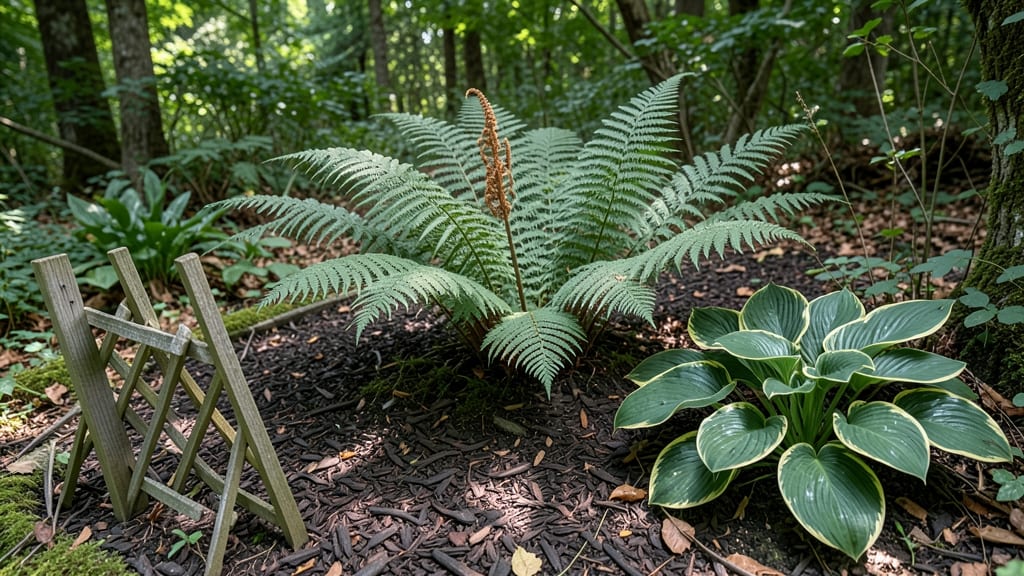
A fern and hosta shade garden transforms forgotten dark corners into a lush, velvety retreat where every leaf whispers secrets. 🌿 The key isn’t just planting these stars—it’s layering textures so your garden feels like a living tapestry, not just a collection of plants.
I’ve designed mine to play with height, color, and movement, even where sunlight barely dares to peek through. Start with hostas as your foundation—their broad, sculptural leaves create instant drama, while ferns add delicate lacework that dances in the breeze.
Pair them with low-growing heucheras for jewel-toned contrast and carex sedges for grassy movement at the edges. The magic happens in the spacing: hostas need 12-18 inches of room to sprawl, while ferns thrive when tucked between them, creating that coveted "wow" factor from any angle.
By summer, you’ll have a garden that feels like a cool, shaded sanctuary—hosta leaves glistening like polished jade, ferns unfurling their fronds like nature’s own mobiles. The best part? This combo thrives where most plants give up, turning your shadiest spot into the envy of the neighborhood.
Here’s the secret weapon: mulch heavily to keep roots cool and moist, and prune spent foliage in early spring before new growth emerges. Your garden will reward you with year-round interest, from spring’s fresh shoots to winter’s dried fronds that catch the light like stained glass.
📚 In This Guide
- What you need
- Instructions
- Tips and common mistakes
- Wrapping up and next steps
What you need
- ● Soil: 4–6 bags of high-quality, well-draining potting mix (1–2 cubic feet per bag, depending on garden size). Look for a blend labeled for shade-loving plants or amend regular soil with peat moss or compost (50% soil, 30% compost, 20% perlite or sand).
- ○ Optional: A soil test kit ($10–$20) to check pH (ideal: 5.0–6.5 for hostas and ferns).
- ● Plants: Hostas: 5–10 mature plants (varieties like 'Blue Angel', 'Francee', or 'Halcyon' for texture). Quantity depends on spacing (12–24" apart).
- ● Ferns: 3–5 plants (e.g., Autumn Fern, Japanese Painted Fern, or Ostrich Fern). Space 18–36" apart.
- ○ Optional: 2–3 shade-tolerant ground covers (e.g., Ajuga or Sweet Woodruff) for filler.
- ● Mulch: 2–3 bags of organic mulch (shredded bark or pine needles, 2–3" thick layer).
- ● Tools: 1 garden trowel (for planting small roots).
- ● 1 garden fork or spade (for amending soil).
- ● 1 pruners (for trimming hosta leaves or fern fronds).
- ● 1 watering can or hose with a gentle spray nozzle.
- ○ Optional: A wheelbarrow ($50–$100) for hauling soil/mulch.
- ● A shady spot (dappled light to full shade, <6 hours of direct sun).
- ● Space: Minimum 4' x 4' area (expandable for larger gardens).
- ● Water source nearby (hostas and ferns love moisture!).
- ● Pro tip: 💡 If your soil is clay-heavy, mix in compost + perlite to improve drainage.
How to design a fern and hosta shade garden for year-round interest
This layered approach transforms dark corners into lush, textured escapes—no sun required.
🌿 Step 1: Select the Right Ferns and Hostas for Your Shade Level
Start by matching plants to your specific shade conditions. Ferns like Japanese painted fern or Ostrich fern thrive in partial to full shade, while hostas such as Blue Angel or Halcyon tolerate both dappled sun and deep shade. I always check the mature height and spread of each plant—ferns typically reach 2-4 feet tall, while hostas can sprawl 1-3 feet wide. For a 4-foot garden bed, I mix three ferns with two hostas to create natural movement and texture.
Here's the thing—hostas with blue or silver foliage stand out best in shade, while ferns add arching fronds that catch light even in dim corners. I avoid planting hostas with identical leaf colors next to each other; contrast is key. For example, pair golden hostas with deep green ferns to create visual drama. Always buy plants from reputable nurseries—they’re more likely to be disease-free and well-established.
🪴 Step 2: Prepare the Soil for Moisture-Loving Plants
Shade gardens need well-draining yet moisture-retentive soil—ferns and hostas hate soggy roots but won’t survive in dry, compacted earth. I amend the soil with 3 inches of compost and 1 inch of perlite to improve drainage while holding moisture. For a 4-foot bed, that’s about 1 cubic yard of amended soil. Work it into the top 12 inches of existing soil using a garden fork to loosen compacted layers.
Don’t skip the soil test if possible—ferns and hostas prefer slightly acidic to neutral soil (pH 6.0-7.5). If your soil is heavy clay, mix in peat moss to lighten it. I like to add a slow-release organic fertilizer at planting time to give the roots a nutrient boost without burning tender foliage. Water the amended soil thoroughly before planting to help it settle.
☀️ Step 3: Layer Plants by Height and Spread for Depth
Begin with the tallest plants at the back of the bed—ferns like Holly fern (3-4 feet tall) or Alum root (2-3 feet) anchor the design. Next, add medium-height hostas (18-24 inches) such as Francee or Guacamole, placing them slightly forward. Finally, fill the front with low-growing ferns (1-2 feet) like Maidenhair fern or Christmas fern, along with spreading hostas (like June or Patriot) to create a lush, textured foreground.
Space plants based on their mature size: 2-3 feet apart for hostas and 18-24 inches apart for ferns. This prevents overcrowding and ensures each plant gets enough air circulation to stay healthy. I like to stagger the placement—no two identical plants should line up, as this creates visual interest. Mulch with 3 inches of shredded bark after planting to suppress weeds and retain moisture.
💧 Step 4: Water Deeply and Maintain Moisture Without Overwatering
Ferns and hostas need consistently moist soil, but they’ll tell you when it’s too much—yellowing leaves or mushy stems mean overwatering, while crispy edges signal underwatering. Water deeply once a week (or more in hot weather) until the soil is 6 inches deep damp. I use a soaker hose to deliver water slowly at the base, avoiding wetting the foliage to prevent fungal diseases.
Mulch helps retain moisture, but check the soil 1 inch below the surface before watering—if it’s dry, it’s time. In deep shade, you might water less frequently, but container-grown plants dry out faster and need more attention. Fertilize lightly in early spring with a balanced organic fertilizer to encourage fresh growth without overwhelming the plants.
✂️ Step 5: Prune and Divide for Long-Term Health
Hostas benefit from spring cleanup—remove any dead or damaged leaves in early spring before new growth appears. Ferns rarely need pruning, but I trim back brown fronds after they’ve died back to keep the garden tidy. Divide crowded hostas every 3-4 years in early spring or fall—dig up clumps, separate the rhizomes, and replant the healthiest sections. This rejuvenates the plants and gives you free material for expanding your garden.
Real talk: Ferns and hostas are low-maintenance, but slugs and snails love them. I set out beer traps or copper barriers in early summer to keep pests at bay. If a leaf shows chew marks, act fast—once slugs find a favorite, they’ll return night after night. With proper care, your shade garden will thrive for years, offering year-round texture and color without needing full sun.
Tips & tricks for perfect fern and hosta shade garden
Creating a thriving shade garden isn't rocket science—just a few thoughtful tricks to ensure your ferns and hostas shine.
Plant Selection Strategy: When choosing plants for your 4-foot bed, I recommend selecting ferns with varying frond shapes—like the delicate lace of Maidenhair fern alongside the bold structure of Ostrich fern. This creates visual interest even when the garden isn't in bloom. For hostas, mix leaf colors: pair the silvery-blue Blue Angel with the golden Francee to create dramatic contrast that pops in low light. The key is to avoid planting identical leaf colors next to each other—think of it like painting with foliage!
Soil Prep Pro Tip: That 3-inch layer of compost and 1-inch perlite mix isn't just about drainage—it's about creating a sponge-like environment that holds moisture while preventing root rot. For clay-heavy soils, I've found that adding 1 part peat moss to 2 parts compost makes a world of difference. And here's what nobody tells you: always water the amended soil thoroughly before planting. This helps settle the soil and prevents air pockets around delicate roots.
Layering Like a Pro: The height progression in Step 3 is crucial, but don't forget about the "forward placement" rule. Medium-height hostas should sit slightly forward of tall ferns to create that natural tiered effect. I like to imagine the garden as a stage—tall plants anchor the back, medium-height ones create the middle act, and low growers form the foreground curtain. Pro tip: When arranging, step back frequently to check your perspective. What looks balanced from knee-level might look crowded from a few feet away.
Watering Wisdom: That 6-inch deep watering isn't just about quantity—it's about technique. Use a soaker hose placed at the base of plants to deliver water slowly, which encourages deep root growth. And here's my secret: water in the early morning. This gives foliage time to dry before evening, reducing fungal diseases. In deep shade, you might only need to water every 10-14 days, but container plants will need more frequent attention—think of them like thirsty houseguests!
Pro Tips for Fern And Hosta Shade Garden
- Creating a thriving shade garden isn't rocket science—just a few thoughtful tricks to ensure your ferns and hostas shine.
- Plant Selection Strategy: When choosing plants for your 4-foot bed, I recommend selecting ferns with varying frond shapes—like the delicate lace of Maidenhair fern alongside the bold structure of Ostrich fern.
- Soil Prep Pro Tip: That 3-inch layer of compost and 1-inch perlite mix isn't just about drainage—it's about creating a sponge-like environment that holds moisture while preventing root rot.
Frequently asked questions
Got questions about creating your dream fern and hosta shade garden? You’re not alone! Here are answers to the most common queries to help you design a lush, low-light retreat with confidence.
What’s the best way to prepare soil for ferns and hostas in shade?
Amend your soil with organic matter like compost or peat moss to improve drainage and fertility. Hostas thrive in moist, well-draining soil, while ferns prefer slightly acidic conditions (pH 5.0–6.5). A 2–3 inch layer of mulch retains moisture and suppresses weeds—critical for shade-loving plants!
When is the ideal time to plant ferns and hostas?
Spring or early fall are the best times to plant, as cooler temps reduce transplant shock. Avoid extreme heat or frost. For container-grown hostas, you can plant year-round (except winter), but give them consistent moisture until established.
Can I mix ferns and hostas with other shade plants?
Pair them with astilbes, heucheras, or lungworts for texture and color contrast. For height, try Japanese painted ferns or foamy ferns alongside Hosta ‘Blue Angel’ or Hosta ‘Francee’. Just ensure all plants share similar water and light needs.
Why are my hosta leaves turning yellow or brown?
Yellowing leaves often signal overwatering or poor drainage, while brown edges can mean sunburn (if light increases) or pests. Check soil moisture—hostas hate soggy roots. Slugs and snails are common culprits too; use organic slug bait or diatomaceous earth if needed.
Are there drought-tolerant alternatives to traditional hostas?
Yes! Try ‘Halcyon’ hosta (drought-resistant) or Japanese forest grass for texture. Ferns like Christmas fern or autumn fern also handle drier shade better. Just mulch deeply and water deeply but less frequently to retain moisture.
Wrapping up and next steps
Creating a fern and hosta shade garden transforms dark corners into lush, serene escapes—perfect for adding texture and tranquility to your outdoor space. With the right plants, soil prep, and design layers, you’ve got everything you need to craft a thriving, low-maintenance oasis. 🌿
Now that you’re inspired, why not start small? Begin with a single corner or container, experiment with a few ferns or hostas, and watch your vision grow. Happy gardening—your future shade garden awaits! 🌱✨