
Light Requirements
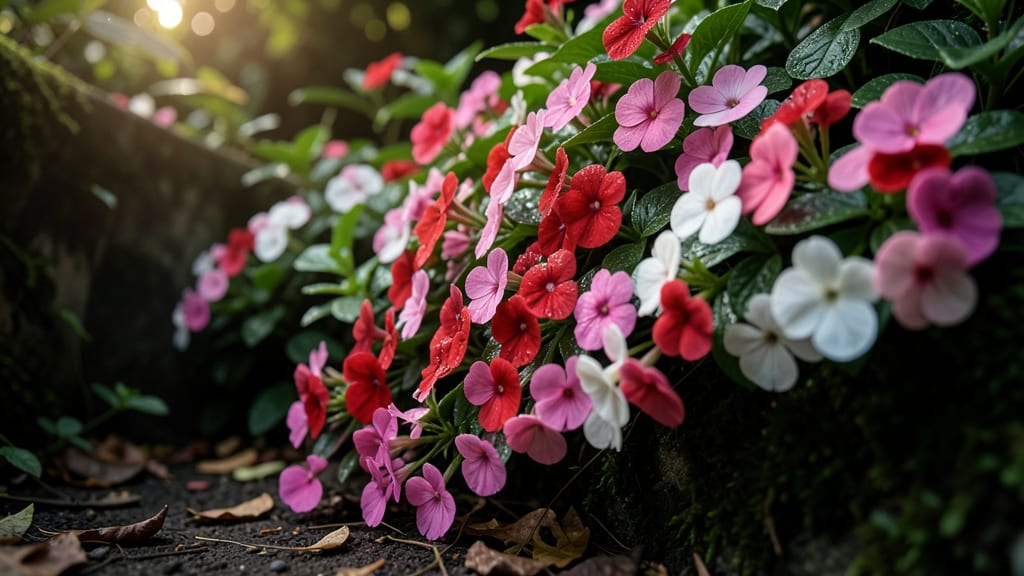
Struggling to find flowers that thrive in shady spots? These 10 low-maintenance blooms bring vibrant color to your garden while requiring minimal sunlight—ideal for under trees, north-facing walls, or wooded areas.
Hostas for Lush Green Foliage

If you want year-round green beauty with almost no effort, hostas are your perfect shade companion. These hardy perennials thrive in partial to full shade, producing bold, variegated leaves in shades of blue, gold, and deep green—plus delicate lavender flowers in midsummer.
Hostas are deer-resistant and become drought-tolerant once established, making them ideal for beginners or busy gardeners. Plant them in well-draining soil with a thick layer of mulch to retain moisture, and watch them spread into a lush, low-maintenance ground cover that outshines many flowering plants with its foliage alone.
Perfect for understory planting, woodland gardens, or as a living mulch, hostas offer four-season interest with minimal care. 💚
Bleeding Heart Flowers

Transform your darkest garden corners into a romantic spring spectacle with bleeding heart flowers (Dicentra spectabilis). These delicate perennials produce cascading clusters of heart-shaped blooms in soft pink, white, or red—perfect for adding whimsy to shady borders, woodland gardens, or containers near north-facing walls.
Thriving in deep shade to partial sun, bleeding hearts prefer moist, well-draining soil rich in organic matter. Plant tubers in early spring or fall, spacing them 12–18 inches apart. Their fern-like foliage provides year-round interest, even after blooms fade in summer. For continuous vertical drama, pair them with hostas or ferns—both love the same shady conditions.
Ideal for gardeners seeking low-maintenance elegance, these flowers are especially beloved by cottage gardeners and woodland enthusiasts. Just remember: they’re not deer-resistant, so protect them if local herbivores are a concern. 🌷
Hellebores for Winter Blooms

When winter's chill lingers and most gardens sleep, hellebores burst into bloom—often as early as January or February. These hardy perennials thrive in deep shade, making them ideal for cold climates where sunlight is scarce during winter months.
With evergreen foliage and nodding flowers in shades of white, pink, green, and purple, hellebores provide year-round interest. They require minimal care: simply plant them in well-draining soil, water occasionally, and watch them multiply over time. Deadheading spent blooms encourages more flowers, and their deer-resistant nature makes them a low-stress choice for rural gardens.
Perfect for gardeners in USDA zones 4-9, hellebores bring early color to shady spots under trees or along north-facing walls. Their long bloom time and ruggedness make them a standout for low-maintenance gardeners craving winter beauty. 🌷
Astilbes for Feather-Like Plumes

Tired of shady garden spots that feel dull and lifeless? Astilbes bring drama with their feather-like plumes in soft pinks, whites, and purples—perfect for adding movement and texture to those tricky partial shade areas.
These clump-forming perennials thrive in 3-6 hours of morning sun or dappled shade, making them ideal for under trees or north-facing beds. Their fuzzy seed heads add winter interest, and they’re surprisingly low-maintenance—just keep the soil consistently moist (they hate drying out) and divide clumps every 3-4 years to prevent overcrowding. Varieties like 'Fanal' (deep pink) or 'Deutschland' (white) bloom from mid-to-late summer, extending your season.
Urban gardeners with small spaces will love how well astilbes perform in containers, while cottage gardeners can use them to soften edges or create romantic, layered borders. Their airy blooms also attract butterflies, making them a pollinator-friendly choice. 🌻
Japanese Anemones

When most shade-loving flowers fade by midsummer, Japanese anemones step in with a dramatic late-season show. These tall, graceful perennials burst into bloom from August through October, offering cup-shaped flowers in soft pink, white, or deep purple that dance in the breeze—perfect for adding height and movement to shady garden beds.
Thriving in partial shade to full sun, they prefer moist, well-draining soil rich in organic matter. Plant them in early spring or fall, spacing stems 18–24 inches apart, and watch them reach 3–5 feet tall by late summer. Their fern-like foliage provides year-round interest, while their blooms attract bees, butterflies, and hummingbirds—making them a pollinator magnet.
Ideal for cottage gardens, woodland edges, or as a striking backdrop for shorter perennials, Japanese anemones bring seasonal drama when other flowers are winding down. 🌻
Lungwort for Unique Spotted Leaves

Looking for a shade-loving plant that doubles as a conversation starter? Lungwort (Pulmonaria) delivers with its silver-spotted leaves and clusters of delicate blue flowers—a rare combination that thrives where others struggle. Unlike typical foliage plants, lungwort offers both striking texture and seasonal blooms, making it a standout for woodland gardens or understory plantings.
This hardy perennial prefers moist, well-draining soil and partial to full shade, making it ideal for spots under trees or along north-facing foundations. Plant in early spring or fall, spacing them 12–18 inches apart. Their spring blooms attract early pollinators, while their evergreen foliage persists through winter, adding year-round interest. For a natural look, let them self-seed—they’ll form charming colonies over time.
Perfect for gardeners who love unique textures and low-maintenance perennials, lungwort is especially prized by woodland enthusiasts and cottage gardeners seeking distinctive foliage without the fuss. 💚
Coral Bells for Colorful Foliage

If you’re looking for year-round visual interest in shady spots, coral bells (Heuchera) deliver with their striking, evergreen foliage in deep purples, silvers, and lime greens—long after other shade plants have faded. These versatile perennials thrive in partial to full shade, making them perfect for containers, rock gardens, or as edging along shady borders.
Coral bells produce delicate bell-shaped flowers in spring, but their real star power lies in their colorful, textured leaves that persist through winter. Choose from varieties like 'Palace Purple' for dramatic foliage or 'Lime Rickey' for a bright contrast. They’re low-maintenance—just ensure well-draining soil and occasional watering—and deer tend to avoid them, making them ideal for problem areas.
Urban gardeners and small-space enthusiasts will love how coral bells thrive in containers, while cottage gardeners can use them to create layered, textured borders. Their compact size and bold colors make them a standout for adding year-round drama with minimal effort. ✨
Sweet Woodruff for Fragrant Ground Cover

Step into a woodland garden and breathe in the fresh, vanilla-cinnamon scent of sweet woodruff (Galium odoratum), a delicate ground cover that thrives in deep shade where few other plants dare to grow. This low-growing perennial forms a fragrant carpet of lush green leaves, punctuated by tiny white star-shaped flowers in late spring—making it perfect for understory planting or as a living mulch to suppress weeds naturally.
Sweet woodruff spreads easily via rhizomes, creating a dense mat that chokes out unwanted grasses while requiring minimal care. It prefers moist, well-draining soil and tolerates both dry shade and occasional foot traffic, making it ideal for pathways or woodland garden edges. For best results, plant it in early spring or fall, spacing clumps 12–18 inches apart to allow for natural expansion. Its deer-resistant nature and ability to thrive in USDA zones 4–8 make it a low-maintenance favorite for busy gardeners.
Woodland gardeners and cottage-style enthusiasts will love how sweet woodruff transforms shady spots into fragrant, textured landscapes—while also attracting pollinators like bees and butterflies. 🌿
Foxgloves for Tall, Dramatic Spikes

Want to add a dramatic vertical focal point to your shady garden without sacrificing blooms? Foxgloves (Digitalis) are your answer—these biennial giants reach 3-5 feet tall with clusters of bell-shaped flowers in purple, pink, or white, thriving in partial shade where many plants struggle.
Plant seeds in early fall or spring for the best results—they’ll establish a rosette their first year, then burst into towering spikes the following season. Foxgloves attract hummingbirds and bees, making them a pollinator magnet, and their self-seeding nature means you’ll get free new plants year after year. Just avoid overwatering (they dislike soggy soil) and deadhead spent blooms to encourage more flowers.
Perfect for cottage gardeners, woodland enthusiasts, or anyone craving height and drama in shady spots, foxgloves bring fairy-tale charm to your garden with minimal effort. 🌷
Impatiens for Bright Annual Color

Want to transform a dim corner of your garden into a vibrant burst of color without sacrificing sunlight? Impatiens are the secret weapon for instant, eye-catching blooms in deep shade. These fast-growing annuals thrive where most flowers struggle, producing nonstop flowers in shades of pink, red, and orange from spring until frost.
Perfect for containers, hanging baskets, or shady garden beds, impatiens prefer moist, well-draining soil and 4+ hours of shade daily. Plant them in early spring after the last frost, spacing them 6–12 inches apart. Their self-cleaning blooms mean no deadheading is needed—just water regularly to keep them thriving. Varieties like 'Super Elfin' or 'Accent' are compact and ideal for small spaces.
Urban gardeners and balcony planters will love how impatiens bring instant color to patios and decks, while cottage gardeners can use them to fill gaps under trees. Their cheerful blooms attract butterflies, making them a pollinator-friendly choice for shady spots. 🌻