
Plants
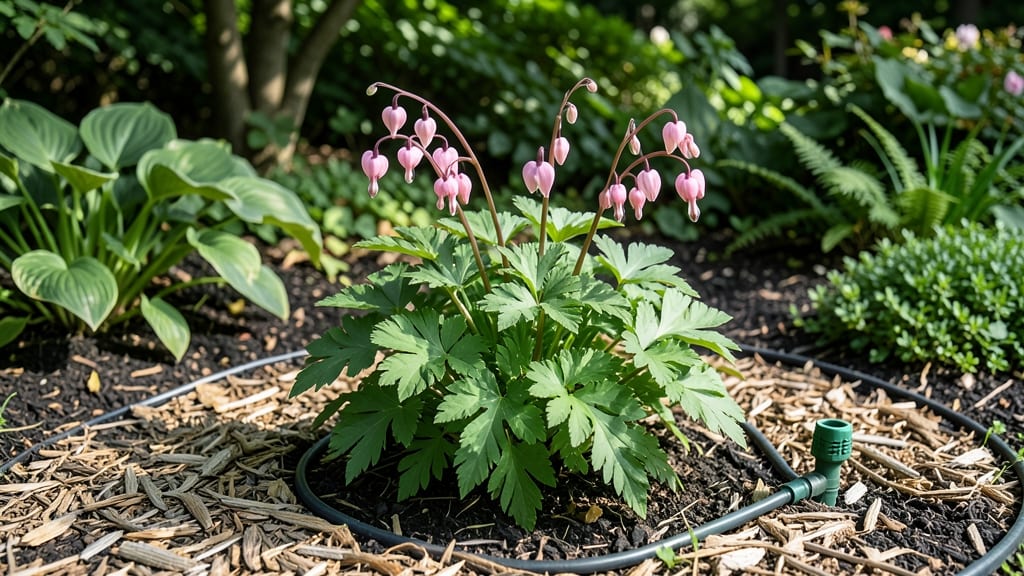
Bleeding hearts like shade more than sun, thriving in partial shade that mimics their native woodland understory—where dappled light filters through leaves.
If you’ve ever wondered why your 💔 plants look lackluster or refuse to bloom, the answer might lie in their light preferences. Too much sun scorches their delicate foliage, while deep shade stunts growth and reduces those iconic heart-shaped flowers.
In cooler climates like USDA Zone 6a, morning sun paired with afternoon shade works best, while hotter regions need even more filtered light to prevent wilting. The key? Replicating the gentle, shifting light they’d get under tall trees.
Below, I’ll show you how to create the perfect spot—whether you’re planting in spring or adjusting an existing garden—so your bleeding hearts put on their best show year after year.
 Best Window Placement
Why partial shade is non-negotiable for bleeding hearts
Bleeding hearts (Dicentra spectabilis) thrive in partial shade because their native habitat—woodland understories—provides filtered sunlight that prevents leaf scorch while encouraging vibrant blooms. Without it, these plants either wilts in full sun or becomes leggy and sparse in deep shade.
The heart-shaped foliage and delicate flowers rely on this balance to photosynthesize efficiently without overheating.
Scientifically, bleeding hearts have thin, tender leaves that lack the protective wax coating found on sun-loving plants. When exposed to direct afternoon sun, their leaves burn, turning crispy at the edges—a clear sign of light stress.
Conversely, too little light (less than 2 hours daily) weakens stems, causing them to flop under the weight of pendulous blooms.
Here’s why partial shade (30-50% sunlight) is ideal: it mimics their natural environment where morning sun kickstarts growth, while afternoon shade protects them from intense rays. This balance also extends their blooming season—plants in full shade may produce fewer flowers, while those in harsh sun often bolt prematurely.
The root system of bleeding hearts is shallow, meaning they’re sensitive to soil temperature fluctuations. In full sun, the ground heats up, drying out roots faster.
Meanwhile, deep shade leads to competing weeds that steal nutrients, further stressing the plant. Mulching (2-3 inches) helps regulate soil moisture and temperature—critical for their survival.
Regional adjustments matter too. In hot climates (Zones 7-9), bleeding hearts need more shade (up to 70%) to prevent heat stress, while in cooler zones (4-6), they tolerate brighter morning light.
Always observe your plant’s leaf color—healthy foliage stays deep green, while stressed leaves turn yellow or brown at the tips.
Let’s break down the light requirements in a simple table to clarify what’s best for your bleeding hearts:
The ideal scenario is dappled sunlight—think of the light filtering through deciduous trees or passing through a sheer curtain. This mimics their woodland origins and ensures consistent moisture retention in the soil.
If your garden lacks natural shade, create it with lightweight fabric shades or plant tall grasses nearby to break harsh rays.
Another pro tip: Rotate your bleeding hearts every few years to ensure even light exposure. Over time, they may lean toward the sun, creating an unbalanced growth habit.
A simple quarter-turn annually keeps them upright and encourages symmetrical blooming. This also prevents root competition with nearby plants that might outcompete them for light.
Watch for seasonal shifts too. In spring, when trees are bare, your bleeding hearts may bask in more sun than usual—this is fine, but protect them by late afternoon when UV rays peak.
Use reflective mulch (like white gravel) to bounce light away from leaves if needed. Morning sun + afternoon shade remains the golden rule.
Finally, remember that bloom quality hinges on light balance. Plants in perfect partial shade produce larger, more vibrant flowers with deeper pink or white hues. Those struggling in poor light may develop pale, undersized blooms or fail to flower altogether.
With the right conditions, your bleeding hearts will reward you with months of lush, heart-shaped beauty—worth every bit of shade management!
How to mimic perfect partial shade conditions in your garden
Creating the ideal partial shade for your bleeding hearts isn't just about avoiding harsh sunlight—it's about crafting a microclimate that mimics their natural woodland habitat. These plants thrive with dappled sunlight, where light filters through leaves or trees, creating a gentle play of light and shadow throughout the day.
Think of it like a dance between sun and shade: morning sun (2-4 hours) followed by afternoon shade is perfect. Too much direct sun causes leaf scorch, while deep shade leads to leggy stems and sparse blooms.
The key is balance—just like how you'd position a plant near a north-facing window indoors.
Creating Partial Shade: Do's & Don'ts
DO:
- Use sheer curtains on windows to diffuse sunlight
- Plant near tall trees (like oaks or maples) for natural dappling
- Install lattice screens 3-4 feet above plants to filter light
- Choose east-facing locations for gentle morning sun
DON'T:
- Avoid south-facing walls (intense afternoon sun)
- Don't plant under evergreens (blocks all light year-round)
- Skip seasonal adjustments (move plants as sun shifts)
- Don't use dark mulch (absorbs heat, stresses roots)
🌳 Pro Tip: Test your spot with a light meter app—aim for 30-50% sunlight
For seasonal adjustments, remember that summer sun moves differently than spring light. What worked in April might be too intense by July. I like to rotate plants every few months or use removable shade cloth (30-50% block) during peak sun hours.
Even a simple white umbrella placed strategically can save your bleeding hearts from midday heat stress.
Companion plants play a surprising role too! Pair your bleeding hearts with hostas or ferns—they thrive in similar conditions and help create a natural shade canopy. Avoid competitive neighbors like sun-loving daylilies, which will steal both light and nutrients.
The right companions act like a living shade net, keeping your bleeding hearts happy without extra work.
Don't forget about soil moisture—shaded areas dry out slower, so improve drainage with organic mulch (2-3 inches of shredded bark). This mimics the forest floor where bleeding hearts grow wild, keeping roots cool while preventing waterlogged conditions.
I've seen dramatic improvements in bloom quality just by adding mulch and adjusting light exposure.
Finally, observe your plants' growth patterns—they'll tell you if you've got it right. Healthy bleeding hearts should have vibrant green leaves with plenty of blooms in spring.
If you notice yellowing leaves or sparse flowers, it's time to tweak your shade strategy. Small adjustments can make a big difference in their performance! 💔