
Light Requirements
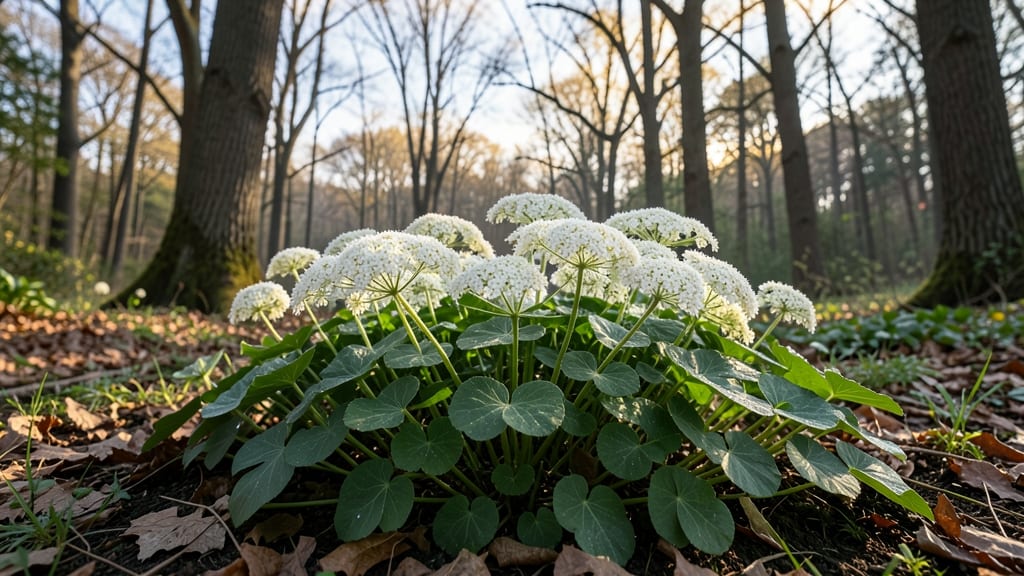
Zone 6 gardeners with shady spots don’t have to settle for lackluster landscapes. These 10 drought-tolerant perennials thrive in low light while demanding minimal water and maintenance, bringing year-round color and texture to even the darkest corners of your yard.
Coral Bells with Deep Purple Foliage

Want a shade garden that pops with color without constant watering? Coral bells (Heuchera) deliver year-round drama with foliage that shifts from deep purple to chartreuse hues as seasons change—all while thriving in Zone 6’s dry shade. These clump-forming perennials are the secret weapon for borders or containers where bold textures make an impact.
Plant Heuchera in well-draining soil with 2–4 hours of morning sun (they’ll tolerate deeper shade but may fade). Varieties like ‘Palace Purple’ or ‘Lime Rickey’ offer striking contrasts, and their compact size (12–18 inches tall) fits neatly into small spaces. Water weekly for the first month, then taper to once every 2–3 weeks—they’re surprisingly drought-tolerant once established. For extra drama, pair them with silver foliage like lamium or sweet woodruff.
Perfect for urban gardeners with limited space or beginner-friendly shade beds, coral bells require almost no maintenance beyond occasional deadheading. Their seasonal color shifts keep your garden looking fresh from spring through fall, proving that shade doesn’t mean boring. 💚
Hostas with Blue-Green Variegated Leaves

If you’ve ever struggled to keep plants alive under towering trees where moisture evaporates quickly, hostas with blue-green variegated leaves are your secret weapon. These classic shade-lovers not only survive but thrive in dry conditions once their roots establish, making them ideal for woodland gardens or areas where mulch struggles to retain water.
Look for varieties like Hosta 'Blue Angel' or 'Halcyon', which boast striking blue-green centers with crisp white edges—adding texture and contrast to shady beds. While they prefer partial shade (2-4 hours of sun), they outperform most perennials in dry shade once mature, requiring only occasional watering after the first year. Their broad, lush foliage also suppresses weeds naturally, reducing maintenance.
Perfect for gardeners who want low-maintenance elegance, these hostas pair beautifully with ferns or coral bells for layered shade gardens. 💚
Japanese Painted Fern for Lush Texture

If you crave year-round texture without the upkeep, Japanese Painted Fern (Athyrium niponicum var. pictum) is your secret weapon for shady spots. Unlike fussy ferns, this cultivar thrives in consistently moist but well-drained soil—meaning once established, it barely asks for water while delivering silvery-green fronds with burgundy highlights that glow in low light.
Plant it in partial to full shade where other perennials struggle, and watch it spread gently into lush clumps. The delicate, lace-like foliage contrasts beautifully with hostas or coral bells, adding depth to woodland gardens or understory plantings. Even in Zone 6’s hot summers, it stays verdant with minimal care—just avoid soggy soil to prevent root rot.
This fern is ideal for gardeners who want low-maintenance elegance without sacrificing drama. Pair it with hellebores or lungwort for a shady retreat that feels lush year-round. 💚
Lungwort with Silver Spotted Leaves

Bring a touch of history and early-season color to your shade garden with lungwort (Pulmonaria), a perennial with silver-spotted leaves and delicate purple blooms that emerge in late winter or early spring. Unlike many shade plants, lungwort thrives in dry conditions once established, making it a low-maintenance choice for understory plantings or woodland gardens.
This hardy plant attracts early pollinators like bees and butterflies, giving your garden a functional boost while adding visual interest. The foliage turns green as summer progresses, creating a striking contrast with the initial silver tones. Plant in partial to full shade with well-draining soil, and enjoy its year-round presence—even after the flowers fade, the leaves remain attractive.
Perfect for gardeners who love medicinal plants or want to extend their season with minimal effort, lungwort is a standout for Zone 6 shade gardens. 🌟
Solomon’s Seal with Arching Stems

Tired of flat, boring shade gardens? Solomon’s Seal (Polygonatum) transforms dull corners into lush, architectural masterpieces with its graceful arching stems that cascade naturally over paths or garden edges. Unlike sprawling ground covers, this perennial adds vertical drama while requiring almost no fuss—once established, it’s one of the most drought-tolerant shade plants for Zone 6.
Plant Solomon’s Seal in partial to full shade where its subtle white bell-shaped flowers (spring to early summer) will contrast beautifully against dark foliage like hostas or ferns. The stems grow 2–4 feet tall, creating a soft, flowing screen that moves gently in the breeze. Water weekly for the first year, then reduce to monthly or less—it thrives on neglect once roots are deep. For extra impact, pair it with bleeding heart or bugbane to layer textures in your shady borders.
Perfect for woodland gardens, cottage-style beds, or understory plantings, this perennial offers year-round interest with its arching habit and dark green leaves. It’s also deer-resistant, making it a smart choice for rural or suburban gardens alike. 💚
Bleeding Heart with Pink Flowers

Craving a romantic, low-maintenance shade perennial that actually thrives in dry conditions? Bleeding heart (Dicentra spectabilis) delivers cascading pink heart-shaped blooms that feel like a fairytale—yet it’s tougher than most realize. Unlike many shade plants, it tolerates dry soil better than average, making it perfect for woodland edges or cottage gardens where moisture retention is unreliable.
Plant bleeding heart in partial shade (3–6 hours of sun) with rich, well-draining soil amended with compost. While it prefers consistent moisture when young, mature plants handle occasional dry spells better than most shade perennials. Deadhead spent blooms to encourage a second flush of flowers, and divide clumps every 3–4 years to prevent congestion. Its lush, fern-like foliage contrasts beautifully with hostas or ferns, adding texture to shady borders.
This is the ideal choice for romantic cottage gardens or woodland edges where you want drama without fuss. Pair it with hellebores or lungwort for a dreamy, low-light retreat that blooms reliably year after year. ✨
Bugbane with White Flower Clusters

Looking for a pollinator magnet that thrives in the darkest corners of your Zone 6 garden? Bugbane (Actaea simplex) delivers tall, airy white flower clusters that attract bees, hoverflies, and other beneficial insects—all while demanding almost no water once established. This underused perennial is the secret weapon for deep shade gardens where most plants struggle.
Plant bugbane in moist, well-draining soil under trees or along shady borders, where it reaches 3–5 feet tall with delicate, feathery foliage. Unlike fussy shade plants, it tolerates dry spells after the first year and spreads slowly to form lush colonies. The late-summer blooms (July–August) provide nectar when many other perennials have faded, making it a functional and beautiful addition to any pollinator-friendly garden.
Perfect for eco-conscious gardeners or those with woodland-style beds, bugbane adds vertical interest without requiring staking. Pair it with bleeding heart or fern for a layered, low-maintenance shade retreat. 🌻
Sweet Woodruff with Star-Shaped Flowers

Tired of barren pathways or shady corners that look forgotten? Sweet woodruff (Galium odoratum) transforms underused spaces with its delicate white star-shaped flowers and fragrant foliage that releases a vanilla-like scent when crushed—like nature’s own air freshener. This gentle ground cover thrives where others fail, spreading slowly yet densely to create a lush carpet under trees or along walkways.
Plant it in dry to partially shaded areas with well-draining soil, and watch it flourish with almost no care. The whorled green leaves form dense mats that suppress weeds naturally, while its late spring blooms attract pollinators. Unlike aggressive spreaders, sweet woodruff stays contained, making it perfect for woodland gardens or understory plantings where moisture lingers but sunlight is scarce.
This is the ideal choice for gardeners who want low-maintenance beauty with a sensory bonus. Crush a leaf to release its signature fragrance, or let it bloom quietly in the background—it’s the ultimate shade garden workhorse. 🌿
Hellebore with Winter-Blooming Flowers

When your garden looks like a blank canvas in winter, hellebores step in as the unsung heroes of shade gardening. These evergreen perennials defy winter’s chill by producing delicate white, pink, or purple blooms from late winter through early spring—often while snow still lingers. Unlike most shade plants that wait for warmer months, hellebores deliver early color with almost no effort from you.
Plant Helleborus niger (Christmas Rose) or Helleborus orientalis (Lenten Rose) in partial to full shade with well-draining soil, and they’ll reward you with year-round interest. Their leathery leaves stay green through winter, and once established, they’re drought-tolerant, making them perfect for understory plantings or woodland gardens. For best results, mulch with leaf litter or shredded bark to protect roots in harsh winters and keep soil moist.
This is the ideal choice for gardeners who want low-maintenance beauty without sacrificing seasonal interest. Pair hellebores with bleeding heart or bugbane to create a shady oasis that blooms from winter through summer. 🌱
Foamflower with Delicate White Blooms

Ready to brighten up your Zone 6 woodland garden with effortless early spring color? Foamflower (Tiarella cordifolia) is the unsung hero of shady spots, bursting into delicate white blooms when most perennials are still dormant. Unlike moisture-loving shade plants, it thrives in dry conditions once established, making it perfect for understory plantings where competition for water is fierce.
This low-growing perennial (6–12 inches tall) forms mounding clumps with heart-shaped leaves that turn vibrant red in fall, adding seasonal interest. Plant it in partial to full shade with well-draining soil, and water weekly for the first month before reducing to occasional watering. The frothy white flower spikes appear in late spring, contrasting beautifully with darker foliage like ferns or hellebores. For best results, divide clumps every 3–4 years to maintain vigor.
Ideal for woodland gardeners or those with dry shade beds, foamflower brings early-season color without the fuss. Pair it with lungwort or Solomon’s Seal for a layered, low-maintenance shade retreat that feels magical. 🌷