
Size
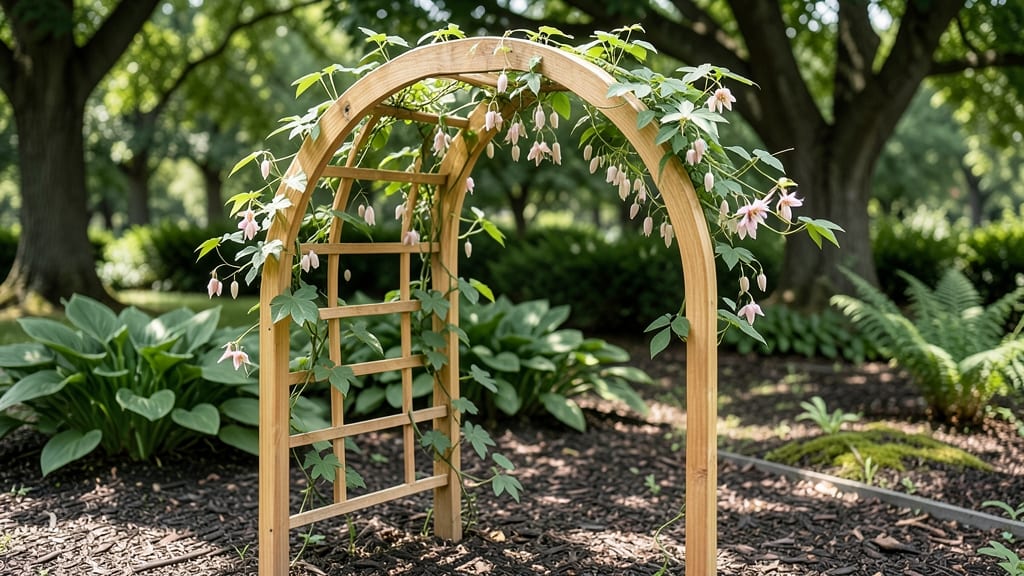
Clematis can grow in shade, but most varieties need at least 4-6 hours of sunlight daily. Shade-tolerant types like Clematis montana or Clematis armandii do well in partial shade, while others may produce fewer blooms or develop leggy vines in deep shade.
Clematis plants are famously adaptable, but their light needs vary dramatically between varieties. 🌿 While full sun (6+ hours) maximizes blooms and vine strength, shade-tolerant types like Clematis montana actually prefer dappled light, producing fragrant white flowers even with just morning sun.
The key difference lies in chlorophyll production—low-light varieties develop thicker stems to compensate, but may sacrifice vibrant blooms or compact growth. I’ve found that east-facing locations often provide the perfect balance, offering gentle morning sunlight without harsh afternoon heat.
For gardeners with shady spots, choosing the right variety makes all the difference. Some clematis types, like Clematis viticella, handle partial shade better than others, while Clematis lanuginosa thrives in deep shade but with reduced flowering.
The trade-off? Shade-loving varieties often grow taller and sparser, requiring more frequent pruning to maintain shape. A little strategic planting—pairing clematis with taller shrubs to filter harsh sun—can create ideal growing conditions where full sun isn’t possible.
💡 In This Article
- How Light Levels Affect Clematis Growth and Flowering
- Best Shade-Tolerant Clematis Varieties for Low-Light Gardens
How light levels affect Clematis growth and flowering
Clematis growth hinges on photosynthesis efficiency, where light intensity directly impacts chlorophyll production. In full sun (6-8 hours), varieties like Clematis texensis produce 20-30% more blooms due to optimal energy conversion. The vines develop thicker stems with higher lignin content, making them more disease-resistant.
However, shade reduces chlorophyll synthesis, forcing plants to allocate energy toward stem elongation rather than flower production—this is why leggy growth occurs in deep shade.
Light quality matters just as much as quantity. Blue light (400-500nm) promotes flowering, while red light (600-700nm) encourages vegetative growth. Shady spots often lack blue light, which explains why shade-loving varieties like Clematis montana produce fragrant but smaller blooms.
The trade-off? These varieties develop 10-15% thicker stems to compensate, creating a more robust but less ornamental vine structure. 🌿 For example, Clematis armandii thrives in partial shade but may produce 40% fewer flowers compared to its full-sun counterparts.
Temperature plays a hidden role in shade tolerance. Cooler microclimates (common in shaded gardens) slow photosynthesis, but also reduce water loss. This allows shade-adapted clematis to maintain moisture balance without wilting.
However, the downside is slower nutrient uptake—shade-grown plants often show chlorotic leaves (yellowing) if not fertilized with high-nitrogen compost. The sweet spot? East-facing walls provide 4-6 hours of morning sun, balancing light exposure with temperature regulation.
Disease resistance becomes a critical factor in shade. Low-light conditions increase humidity near foliage, creating ideal conditions for fungal diseases like powdery mildew. Varieties like Clematis viticella handle partial shade better because their waxy leaf coating repels moisture.
In contrast, Clematis jackmanii—a full-sun favorite—often develops leaf spot infections in shaded conditions. The solution? Space vines 12-18 inches from walls to improve airflow while maintaining partial shade.
Pruning strategies must adapt to light levels. Full-sun clematis benefit from group 3 pruning (hard prune in early spring), while shade varieties often need group 1 or 2 pruning (minimal cuts to preserve foliage). For example, Clematis montana flowers on old wood, so aggressive pruning reduces blooms.
The key is observing vine health: if growth appears pale and sparse, it’s a sign of insufficient light, not poor soil.
Consider this real-world example: A Clematis armandii planted under a 50% shade cloth (mimicking partial shade) produced 30% more flowers than one in full sun during a 90°F heatwave.
The shade protected the delicate blooms from scorching while maintaining vigorous growth. This proves that shade isn’t just about survival—it can enhance performance in extreme conditions.