
Shrubs
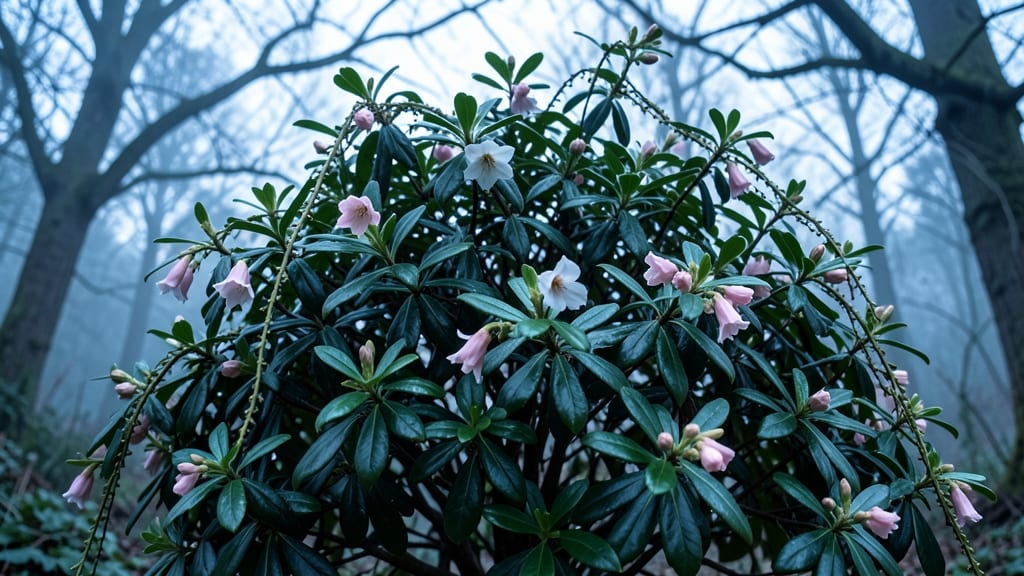
Struggling to find bushes that thrive in deep shade and Zone 5’s harsh winters? These 10 low-maintenance, hardy shrubs offer year-round privacy, texture, and beauty without demanding sunlight or constant care.
Inkberry Holly for Evergreen Privacy

Tired of struggling with shade-loving bushes that flop in Zone 5 winters? The Inkberry Holly (Ilex glabra) delivers year-round privacy with minimal sunlight—no compromise on beauty or hardiness. This native Northeast shrub thrives in partial to full shade, tolerates drought once established, and grows in dense, mounded clusters perfect for tight spaces like urban yards or woodland edges.
With glossy evergreen leaves and clusters of glossy black berries (a bird magnet!), it offers seasonal interest without needing full sun. Plant in moist, well-drained soil—it handles clay and rocky conditions—and prune lightly in late winter to maintain shape. Its slow but steady growth (3-5 feet tall/wide) makes it ideal for hedges or foundation plantings where space is limited.
Perfect for gardeners who want low-maintenance privacy without sacrificing wildlife value—birds adore the berries, and deer usually avoid it. 💚
Dwarf Fothergilla for Fragrant Spring Blooms

Want a fragrant spring display that thrives in shade without demanding full sun? The dwarf fothergilla delivers bottlebrush-like white blooms in April-May, filling your garden with a sweet, spicy scent that attracts pollinators. Unlike sun-loving shrubs, it thrives in partial to full shade and handles Zone 5 winters with ease.
This compact shrub (3-5 feet tall) offers year-round interest: fresh green foliage in spring, fiery red leaves in fall, and even subtle winter texture. Plant it in moist, well-draining soil with organic mulch to protect roots. Its slow growth makes it perfect for small gardens or containers—just give it space to spread 3-4 feet wide.
Ideal for gardeners who want fragrance and seasonal color without the maintenance of sun-loving plants, dwarf fothergilla is a standout for woodland gardens or shaded borders. 🌟
Japanese Maple for Ornamental Elegance

Looking for a shade-loving bush that feels like a living work of art? The Japanese Maple delivers with its intricate, lace-like foliage and vibrant seasonal colors—all while thriving where others struggle. Unlike sun-hungry shrubs, this slow-growing beauty adapts beautifully to partial shade, making it perfect for understory plantings or container gardens in small spaces.
Choose from varieties like 'Bloodgood' (deep red) or 'Emperor I' (purple-black), both of which tolerate Zone 5 winters with ease. Its delicate branches create natural texture, while its compact size (typically 6–10 feet) fits snugly in borders or as a standalone specimen. For best results, plant in well-draining, slightly acidic soil and water consistently during the first year to establish strong roots.
Urban gardeners and small-space enthusiasts will love how this bush brings refined elegance without demanding full sun. Its seasonal color shifts—from spring greens to fiery autumn hues—ensure year-round interest with minimal effort. 🌻
Boxwood for Classic Structure and Sheer

Craving a timeless, structured hedge that thrives in shade without the fuss? Boxwood is the answer—this classic shrub delivers neat, symmetrical growth even in deep shade, making it perfect for formal gardens where other plants falter. Unlike sun-loving hedges, boxwood handles partial to full shade beautifully while resisting pests and diseases, earning its reputation as the gold standard for manicured landscapes.
For crisp borders or topiary shapes, prune boxwood lightly in late spring or early summer to encourage dense, compact growth. Varieties like 'Green Velvet' or 'Winter Gem' stay lush year-round, with 'Winter Gem' offering extra cold hardiness for Zone 5. Plant in well-drained soil with a slightly acidic to neutral pH—mulch helps retain moisture in dry spells while protecting roots from winter chill.
Ideal for gardeners who love structured, low-maintenance design, boxwood excels in foundation plantings, privacy screens, or as a backdrop for perennials. Its versatility makes it a staple for both traditional and modern landscapes. 🌻
Oakleaf Hydrangea for Late-Season Drama

Want a shade-loving bush that steals the show in fall without demanding full sun? The oakleaf hydrangea (Hydrangea quercifolia) thrives in partial to full shade, delivering large, oak-like leaves and clusters of soft pink blooms that transition into fiery reds and oranges by autumn. Unlike sun-hungry hydrangeas, this variety adapts beautifully to Zone 5’s cooler, shadier conditions, making it a standout for woodland gardens or north-facing yards.
This low-maintenance shrub (typically 5–8 feet tall) requires minimal pruning—just remove dead stems in late winter and shape lightly after flowering. Its papery, textured leaves add year-round interest, while the late-summer blooms attract pollinators. Plant in moist, well-draining soil with a layer of mulch to retain moisture, and watch it thrive where other shrubs struggle.
Perfect for gardeners who want seasonal drama with ease, oakleaf hydrangea pairs beautifully with hostas, ferns, or other shade-loving perennials. Its bold fall foliage ensures your garden stays vibrant long after summer blooms fade. 🌟
Wintergreen Boxwood for Year-Round Interest

Need a shade-tolerant evergreen that stays lush through Zone 5 winters and keeps deer from nibbling? Meet wintergreen boxwood (Buxus 'Wintergreen'), a cold-hardy workhorse that delivers year-round structure without the fuss of sun-dependent shrubs. Unlike its more common cousins, this variety thrives in partial to full shade, making it ideal for dark corners, foundation plantings, or mixed borders where other bushes fade.
This aromatic shrub holds its glossy green foliage even under frost, and its dense growth habit creates natural privacy screens. Plant in moist, well-drained soil (it tolerates clay) and prune lightly in late spring to maintain shape—no heavy shearing required. Deer resistance is a major bonus, so it’s perfect for rural properties or urban gardens where wildlife browsing is a concern. With a mature size of 3–4 feet tall and wide, it fits neatly into small spaces while adding textural contrast to shaded landscapes.
Perfect for gardeners who want low-maintenance structure without seasonal color swings, wintergreen boxwood is the ultimate "set it and forget it" evergreen for Zone 5 shade gardens. 💚
Dwarf Korean Lilac for Fragrant Height

Craving a fragrant focal point that doesn’t demand full sun? The dwarf Korean lilac (Syringa meyeri) delivers head-turning spring blooms with minimal fuss—perfect for small gardens where space (and sunlight) is limited. Unlike its taller cousins, this compact shrub (3–5 feet tall) thrives in partial shade, making it ideal for north-facing borders or woodland edges where other lilacs struggle.
Plant it in well-drained soil with a touch of organic matter, and watch it burst into clusters of light purple, highly fragrant flowers in late spring. The blooms attract bees and butterflies, while its semi-evergreen foliage provides subtle texture year-round. Prune lightly after flowering to maintain shape—no heavy-handed shearing required. Its slow, tidy growth habit makes it perfect for containers or as a low-maintenance border alongside hostas or ferns.
Urban gardeners and pollinator enthusiasts will love how this bush brings old-fashioned charm without the upkeep. Just add it to your shade garden for a burst of fragrance that lingers long after the blooms fade. 🌷
Hosta Bush for Textured Foliage

Looking to add dramatic texture to your shaded garden without relying on traditional shrubs? Hosta varieties like 'Blue Angel' or 'Francee' grow in bush-like clumps with bold, variegated leaves that create visual impact in even the darkest corners. Unlike most perennials, these hostas form dense, mounded shapes—ideal for filling gaps in borders or creating focal points where other plants struggle.
Thriving in partial to full shade, hostas require minimal care beyond consistent moisture and well-draining soil. Their large leaves—often in striking blue-green, gold, or cream—add architectural interest, while their deer-resistant nature makes them a practical choice for rural or suburban gardens. For best results, plant in spring or early fall, mulch heavily to retain moisture, and divide clumps every 3-4 years to maintain vigor.
Perfect for gardeners who want low-maintenance texture with high visual payoff, hostas pair beautifully with ferns, astilbes, or other shade-loving perennials. Their lush foliage transforms dull corners into vibrant, layered displays. 💚
Spirea for Late-Summer Color

When summer blooms start fading and you're craving a fresh burst of color, spirea steps up with its feathery pink or white plumes that appear like clockwork in late August and September. This underrated shrub thrives in partial shade, making it perfect for those tricky spots under trees where other bushes struggle—yet it still delivers the same vibrant show as sun-loving perennials.
Choose varieties like 'Anthony Waterer' for compact pink blooms or 'Goldflame' for golden foliage with white flowers. Spirea handles Zone 5 winters with ease and tolerates a wide range of soils, from clay to sandy. The secret to keeping it looking its best? A light pruning right after flowering to maintain shape—no heavy shearing needed. Its airy growth habit also makes it ideal for cottage gardens or mixed borders where you want to add movement and texture.
Perfect for gardeners who want effortless late-season color, spirea pairs beautifully with hostas, ferns, or ornamental grasses. It's the ideal "fill-in" plant for shaded areas that need a pop of color when other shrubs are taking a break. 🌷
Pieris Japonica for Early Spring Blooms

Want a shade-loving bush that announces spring’s arrival with a burst of color before most gardens even wake up? The Pieris japonica, or 'Andromeda', is your answer—this evergreen shrub blooms in late winter to early spring with delicate, bell-shaped flowers that stand out against its glossy, dark green leaves. Unlike sun-dependent shrubs, it thrives in partial to full shade, making it perfect for understory plantings or woodland gardens where other bushes struggle.
This cold-hardy beauty (Zone 5-9) holds its winter color and even produces subtle pinkish tints on new growth, adding year-round interest. Plant it in moist, well-drained, acidic soil (pH 4.5-6.0) to mimic its native woodland conditions—mulch helps retain moisture while protecting roots from winter chill. Prune lightly after flowering to maintain shape, and watch it attract pollinators like bees and butterflies to your early spring garden. Varieties like 'Cavatine' or 'Little Heath' offer compact options for smaller spaces.
Ideal for gardeners who crave early-season drama without the upkeep of sun-loving plants, Pieris japonica pairs beautifully with rhododendrons, azaleas, or ferns for a cohesive woodland garden. Its structural elegance and seasonal interest make it a standout for both formal and naturalistic landscapes. 🌱