
Light Requirements
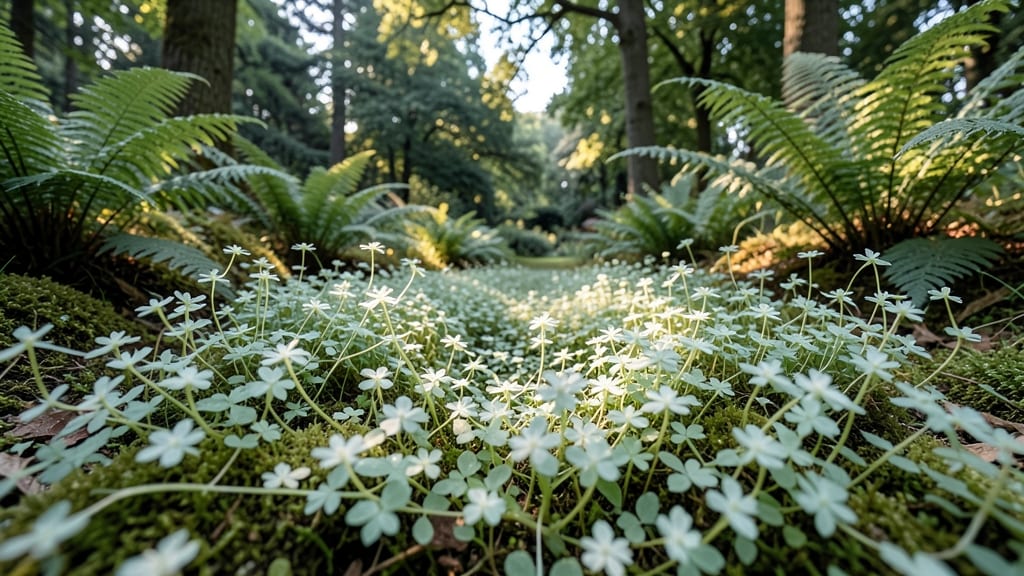
Partial shade gardens often struggle with color, but these 10 resilient flowers thrive with minimal sunlight while delivering bold foliage and year-round beauty—perfect for under trees or north-facing spots.
Hostas For Lush Green Foliage Year-Round

Tired of shady garden spots looking dull? Hostas turn deep shade into a lush, textured masterpiece with their unmatched foliage diversity. Varieties like 'Blue Angel' or 'Halcyon' keep their vibrant colors even in the darkest corners, making them perfect for understory planting or shady borders.
Hostas thrive in deep to partial shade (2-4 hours of sunlight max) and prefer well-draining, moist soil. Their broad leaves come in every shade—from deep purples to golden variegation—creating striking contrast. For best results, mulch annually to retain moisture and protect roots from temperature swings.
These low-maintenance plants reward gardeners with year-round interest, making them ideal for beginners or busy gardeners. Their bold foliage also pairs beautifully with delicate shade bloomers like bleeding hearts or ferns for layered texture. 🌿
Hellebores That Bloom Early Winter

When winter’s grip tightens and most gardens fade to brown, helleborus—or Lenten roses—burst into color with their delicate, nodding blooms. These hardy perennials defy the cold, offering pink, white, or deep purple flowers from late winter through early spring, often when snow still lingers.
Thriving in dry, dappled shade, hellebores are effortless to grow: plant their evergreen foliage in well-draining soil, water occasionally, and watch them reward you with early pollinator support (bees adore their nectar!). Varieties like ‘Annie’s Winter Gift’ or ‘Blackthorn’ add drama with unique markings, while ‘Dolly’ stays compact for containers.
Perfect for urban gardeners with shady spots or cottage gardeners craving winter interest, hellebores bring life when it’s most needed. 🌷
Ferns For Delicate Texture And Low Maintenance

Want to add effortless elegance to your shade garden without fuss? Ferns like 'Maidenhair' or 'Ostrich' bring lush, feathery texture without needing sunlight—perfect for woodland gardens or understory planting where flowers struggle.
These non-flowering plants thrive in dappled shade to full shade and prefer moist, well-draining soil. Their delicate fronds create movement and depth, making them ideal for borders, containers, or as a focal point in shady spots. 'Maidenhair' ferns have fine, almost lace-like leaves, while 'Ostrich' ferns offer bold, arching fronds for drama.
Ferns are the ultimate low-maintenance choice, requiring minimal care and pest resistance. They’re perfect for beginners or gardeners who want to create a serene, natural look with almost no effort. 🌿
Bleeding Heart For Classic Spring Interest

Craving a romantic touch for your shady garden? Bleeding heart delivers dreamy, heart-shaped blooms in soft pink or white that cascade like a waterfall—perfect for adding vertical drama where other flowers falter.
These spring stars thrive in moist, well-drained soil and partial to full shade, making them ideal for understory planting or cottage garden borders. Varieties like 'Luxuriant' (pink) or 'White Pearl'** (white) bloom prolifically from late spring to early summer, while their fern-like foliage adds texture year-round.
Best for gardeners who love old-fashioned charm, bleeding heart pairs beautifully with hostas and ferns for layered shade gardens. Just remember: they’re not drought-tolerant, so keep the soil consistently moist for the most stunning display. ✨
Japanese Painted Fern For Unique Patterns

Looking for a shade plant that steals the show without needing sunlight? The Japanese painted fern (Athyrium niponicum var. pictum) delivers striking silver-green foliage that practically glows under low light conditions, making it a standout for containers or shady garden corners.
This fern thrives in partial to full shade (even under trees) and prefers moist, well-draining soil—ideal for woodland gardens or urban patios. Its variegated fronds create a dramatic contrast, especially when backlit, and it stays compact (12-18 inches tall), perfect for small spaces. Unlike other ferns, it tolerates dryer conditions once established, making it more adaptable.
Urban gardeners with limited space or those craving year-round texture will love this low-maintenance fern. Pair it with hostas or hellebores for a layered, high-impact shade garden. ✨
Astilbe For Feathery Summer Plumes

When your shade garden needs a mid-summer splash of color, astilbe delivers cloud-like plumes in soft pink, white, or fiery red that dance on slender stems—perfect for filling gaps where other flowers fade. Unlike many shade-loving plants, astilbe doesn’t just tolerate partial shade; it thrives in consistently moist conditions, making it ideal for woodland edges or understory plantings where sunlight is limited but humidity lingers.
These clump-forming perennials bloom from late June to August, with varieties like 'Fanal' (deep red) or 'Deutschland' (pink) reaching 1-3 feet tall, creating movement and texture. For best results, plant in well-draining, humus-rich soil and water regularly—astilbe wilt dramatically if left dry. Deadhead spent blooms to encourage a second flush, and divide every 3-4 years to prevent overcrowding. Their feathery foliage also adds winter interest, staying attractive even after the flowers fade.
Urban gardeners with small spaces or cottage gardeners craving romantic borders will love astilbe’s effortless charm. Pair it with hostas or bleeding hearts for layered shade gardens that bloom from spring to fall. 🌻
Impatiens For Bright Summer Color

Need a bold splash of summer color in your shady spots? Impatiens deliver non-stop blooms in fiery red, vibrant pink, or sunny orange—perfect for brightening up dry shade where other flowers fade. Unlike high-maintenance bloomers, these classic bedding plants thrive in containers or understory plantings, making them ideal for patios, hanging baskets, or areas under trees.
Impatiens love morning sun with afternoon shade and tolerate dry conditions once established, though they prefer consistently moist soil for peak blooming. Choose New Guinea impatiens for larger, more heat-tolerant flowers or traditional impatiens for classic trailing habits. Deadhead spent blooms regularly to encourage continuous flowering from spring through fall—ideal for gardeners who want instant color with minimal effort.
Urban gardeners with limited space or those seeking vibrant summer displays will love impatiens—they’re the secret weapon for turning dull shade into a lively, colorful haven. 🌻
Coral Bells For Season-Long Interest

Tired of shade gardens that look dull year-round? Coral bells (Heuchera) like 'Palace Purple' deliver year-round color with their velvety foliage, plus delicate flowers that appear in spring—a perfect combo for ground cover or rock gardens where other plants struggle.
These shade superstars thrive in partial to full shade (3-6 hours of sunlight max) and prefer well-draining soil. Their leaves come in every hue—from deep burgundy to lime green—creating striking contrasts. Varieties like 'Plum Pudding' or 'Lime Rickey' add bold pops of color, while their clumping habit makes them ideal for filling gaps between stepping stones or spilling over container edges.
Urban gardeners with limited space or rock garden enthusiasts will love how coral bells stay compact (12-18 inches tall) yet pack a punch. Their drought-tolerant nature once established makes them nearly foolproof for busy gardeners. 🌻
Lungwort For Healing Beauty And Pollinators

Looking for a shade-loving plant that’s as beautiful as it is beneficial? Lungwort (Pulmonaria) combines silver-spotted foliage with clusters of blue flowers that attract bees early in the season—making it a dual-purpose star for pollinators and cottage gardens. Unlike many shade plants, lungwort thrives in damp, moist soil, perfect for areas where water pools or near streams.
This hardy perennial blooms in late winter to early spring, offering color when few other plants are in season. Its herbal history includes uses in traditional remedies (hence the name "lungwort"), and its textured leaves add visual interest long after the flowers fade. For best results, plant in partial to full shade and mulch to retain moisture—ideal for woodland gardens or as a ground cover under trees.
Cottage gardeners and eco-conscious plant lovers will adore lungwort for its dual benefits: supporting pollinators while adding healing beauty to shady spots. 💚
Sweet Woodruff For Fragrant Ground Cover

Craving a garden that smells as good as it looks? Sweet woodruff (Galium odoratum) transforms shady pathways and understory spaces into fragrant havens with its delicate, minty-scented foliage—perfect for adding sensory appeal where other plants struggle. This low-growing perennial spreads gently to form a lush, carpet-like ground cover that thrives in partial to full shade, making it ideal for areas under trees or along north-facing walls.
The plant’s charm extends beyond its scent: in late spring, it bursts with clusters of tiny white flowers that attract pollinators, while its heart-shaped leaves create a soft, textured mat. To encourage its best growth, keep the soil consistently moist (but well-draining) and mulch lightly to suppress weeds. Sweet woodruff also self-seeds modestly, so it’s easy to propagate—just divide clumps in early spring or scatter seeds in fall.
This fragrant ground cover is a game-changer for gardeners who love low-maintenance, sensory-rich plants. It’s especially well-suited for cottage gardens, woodland edges, or even as a living mulch alternative. Plus, its delicate blooms make it a charming addition to wildflower meadows or alongside hostas and ferns for layered shade gardens. 💚