
Shrubs
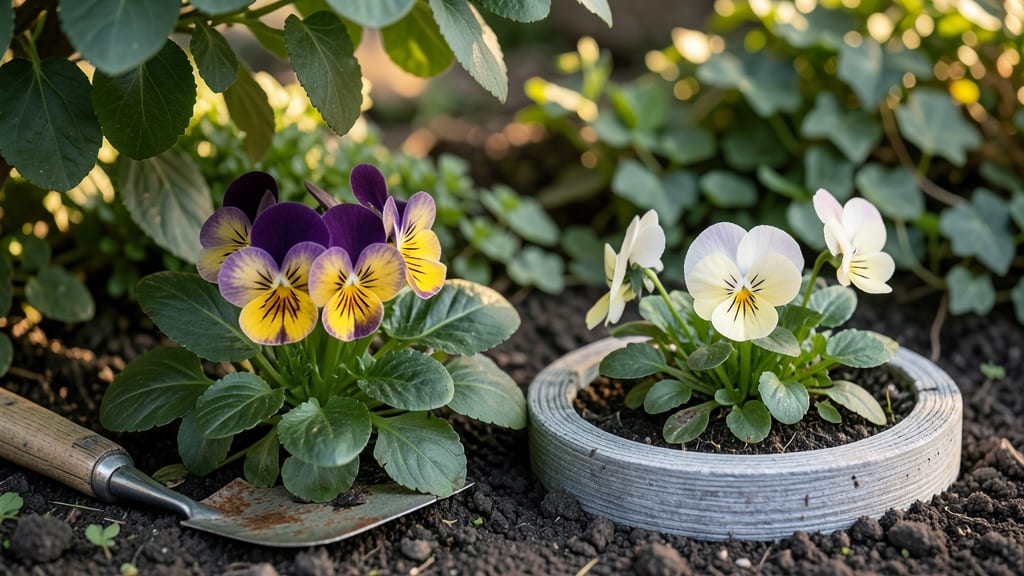
Violas adapt well to shade or sun, but they flourish best in partial shade to prevent wilting during peak afternoon heat. Morning sunlight paired with afternoon shade produces the brightest blooms, while deep shade may limit flowers but preserves leaf health. Their frost tolerance and flexibility make them ideal for varied light conditions, as long as soil moisture is maintained.
Violas are surprisingly resilient when it comes to light, making them perfect for gardeners with tricky spots. 🌿 The key lies in their ability to balance photosynthesis—too much direct sun can scorch delicate petals, while deep shade might reduce blooming but keeps foliage vibrant.
I’ve found that violas in morning sun (3-4 hours) with afternoon shade produce the most abundant flowers, while those in filtered light (like under trees) stay lush even if they bloom less.
Their adaptability means you can grow them in containers on patios, under shrubs, or even in shady corners of your yard.
What’s fascinating is how violas adjust their growth patterns based on light. In brighter conditions, they’ll stretch slightly to reach more sunlight, while in shade, they focus energy on leaf production.
This flexibility is why they’re often called the "garden’s unsung hero"—they’ll reward you with color even when other flowers struggle. Just remember: consistent moisture is non-negotiable, especially in hotter climates where shade helps retain soil dampness.
💡 In This Article
- How Light Affects Viola Flowering and Growth
- Best Viola Varieties for Shade vs Sun Exposure
How light affects viola flowering and growth
Violas use a clever photosynthesis strategy to balance light exposure. Their leaves contain chlorophyll that efficiently captures light, but too much direct sun—especially between 11 AM and 3 PM—can cause petal bleaching or scorching.
The intense ultraviolet rays break down pigments faster than the plant can regenerate them, leading to those unsightly white patches on petals. In contrast, 3-4 hours of morning sun provides enough energy for photosynthesis without overheating the plant, which is why this light pattern yields the most vibrant blooms.
The science gets even more interesting when we look at how violas adjust their growth. In partial shade (like under a tree canopy), violas prioritize flower production because they receive enough indirect light for photosynthesis but avoid heat stress. The result? More blooms and brighter colors.
Meanwhile, in deep shade (less than 30% sunlight), violas shift energy toward leaf growth, producing lush, dark foliage but fewer flowers. This trade-off explains why shade-loving varieties like 'Sorbet' or 'Blackout' have deep purple-black leaves—they're conserving energy for survival rather than reproduction.
Light intensity also affects bloom size and longevity. Violas grown in filtered sunlight (through sheer curtains or dappled tree light) tend to produce smaller but longer-lasting flowers because the gradual light exposure prevents rapid blooming and fading.
For example, a viola in full morning sun might bloom profusely for 2-3 weeks, while one in filtered light could stretch its flowering season to 6-8 weeks with consistent care.
This is why gardeners often use violas as "filler" plants—they extend the visual interest of borders long after other annuals have faded.
There's a seasonal twist to consider too. In summer, violas need more shade protection because temperatures rise and sunlight becomes more intense. A simple trick is to place them under light-colored mulch (like straw), which reflects some heat away from the soil.
In winter, however, violas often appreciate a few extra hours of weak winter sun to boost their energy reserves for spring blooming. Their ability to handle light frost (down to 20°F) means they can even tolerate early morning sun in cold climates without damage.
What most gardeners overlook is how soil moisture interacts with light exposure. Violas in full sun need daily watering to prevent wilting, while those in shade can go 2-3 days between waterings because the cooler environment slows evaporation.
This is why violas thrive in woodland gardens—the combination of dappled light and moist soil creates ideal conditions. The key is to mimic their natural habitat: moist but well-drained soil with protection from harsh afternoon rays.
For a visual comparison, imagine three violas side by side: one in full sun (bright blooms but shorter season), one in partial shade (prolonged flowering with vibrant colors), and one in deep shade (fewer flowers but glossy leaves).
The partial shade plant will always be the star of the show—proof that violas know exactly how to make the most of their environment. 🌿