
Planting
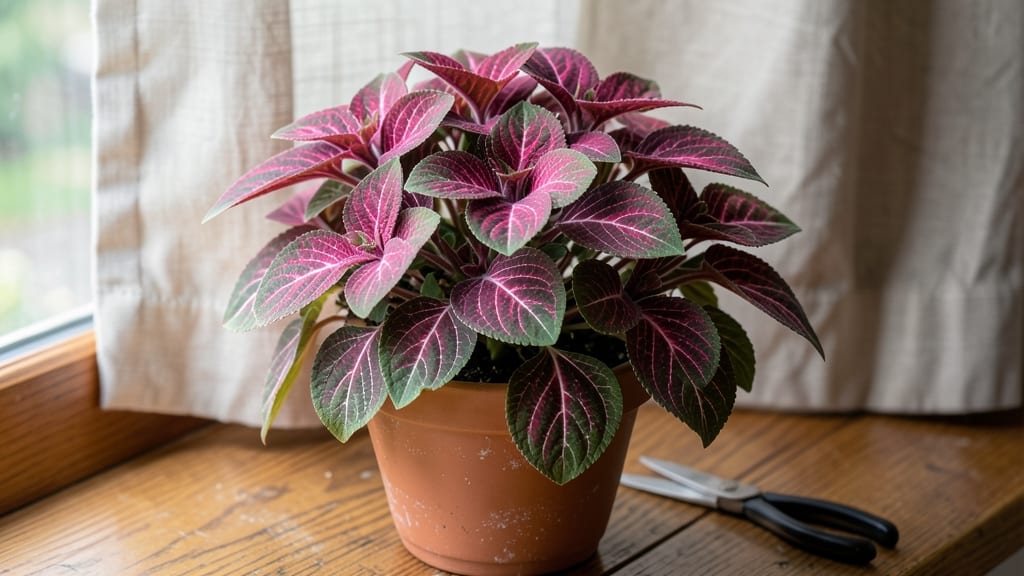
Growing coleus in shade unlocks a world of vibrant foliage where most plants struggle. ✨ My first attempt with a deep purple 'Black Dragon' in a north-facing window proved it—this plant thrives where others fade.
The secret lies in understanding its light needs, soil preferences, and how to prevent that dreaded leggy growth that ruins the showy leaves.
You'll need well-draining potting mix (think 60% peat or coco coir, 30% perlite, 10% compost) and a container with drainage holes—coleus hates soggy roots.
Most shade-tolerant varieties like 'Windy City' or 'Rainbow Romance' handle 3-6 hours of indirect light daily, but they'll reward you with deeper colors in even lower light. Water when the top inch feels dry, and pinch back leggy stems to encourage bushier growth.
What you end up with is foliage so bold it becomes the star of any shady corner—jewel-toned leaves that stay vibrant all season long. The plants grow 12-24 inches tall with proper care, and you can even overwinter them indoors near a bright window.
That first flush of new growth after pruning? Pure magic.
Works equally well in containers, garden beds, or hanging baskets—anywhere with partial shade. Just avoid full shade (like deep forest understory) where color fades to green. Here's how to keep those leaves popping year after year.
📚 In This Guide
- What you need
- Instructions
- Tips and common mistakes
- Wrapping up and next steps
What you need
- ● Coleus plants: 2–5 young plants (check for healthy, lush leaves and sturdy stems). Opt for varieties like 'Wizard' or 'Black Dragon' for shade tolerance.
- ● Well-draining potting mix: 1–2 bags (look for a blend labeled for container plants or tropical foliage—avoid heavy garden soil).
- ● Containers: 1–3 pots (6–12 inches in diameter) with drainage holes. Terracotta or fabric pots work best for airflow.
- ● Watering can or spray bottle: A fine-mist spray bottle helps avoid overwatering delicate leaves.
- ● Balanced liquid fertilizer: 1 bottle (e.g., 10-10-10 or 20-20-20). Dilute to half-strength for shade-loving coleus.
- ● Pruning shears: Small, sharp pair for trimming leggy stems or dead leaves.
- ● Slow-release fertilizer pellets: Sprinkle a handful into the soil for steady nutrition.
- ● Grow lights: LED clip lights (for extra-low-light spots like north-facing windows).
- ● Peat moss or perlite: Mix 10–20% into potting soil to improve drainage.
- ● Mulch (e.g., bark chips): A light layer to retain moisture in containers.
- ● Humidity tray: A shallow tray with pebbles and water to boost humidity in dry indoor spaces.
How to grow coleus in shady spots for stunning foliage
Here's the simple method I use to keep my coleus thriving where others fail—no bright sun required.
🌱 Step 1: Choose the Right Coleus Varieties for Low Light
Not all coleus tolerate shade equally. Look for varieties bred for lower light conditions like 'Black Dragon', 'Wagon Wheel', or 'Rainbow Glow'. These types handle dimmer spaces better than sun-loving varieties. I always check the plant tag—if it says "part shade" or "shade tolerant," it's a safe bet.
You'll notice these varieties have deeper, richer colors even in low light. Avoid varieties with bright chartreuse or neon colors—they need more light to maintain their vibrancy. For your 4 plants, pick 2-3 different varieties to create visual interest.
🪴 Step 2: Prepare Containers and Well-Draining Soil Mix
Use 6-inch diameter containers with drainage holes for each plant. Coleus roots need air circulation to prevent rot in shady conditions. I like terracotta pots because they wick away excess moisture through their walls.
Fill each pot with a mix of 50% potting soil and 50% perlite or orchid bark. This ensures good drainage while retaining enough moisture for shade lovers. Press the mix down gently but don't compact it—coleus roots need loose soil to spread properly.
☀️ Step 3: Plant and Position for Indirect Light
Remove the coleus from its nursery pot and gently loosen the root ball with your fingers. Plant at the same depth it was in the nursery container. The top of the root ball should sit just below the pot's rim.
Place your new coleus in a spot with bright, indirect light—think north-facing windows or 3-5 feet from a west-facing window. You'll see leaves develop their full color within 2-3 weeks if the light is right. Avoid deep shade (like a closet) or the leaves will stretch and lose their vibrant hues.
💧 Step 4: Water and Fertilize for Lush Growth
Water when the top inch of soil feels dry to the touch. Coleus in shade need consistent moisture but hate soggy soil. I use room-temperature water to avoid shocking the roots. Let excess water drain completely—no saucers under pots unless they're emptying within an hour.
Feed every 4-6 weeks with a balanced liquid fertilizer (10-10-10) diluted to half strength. You'll notice new growth appearing within 1-2 weeks after fertilizing. In winter, reduce feeding to every 8-10 weeks as growth slows.
✂️ Step 5: Prune and Rotate for Bushy Plants
Pinch back the tips of new growth when stems reach 4-6 inches tall. This encourages bushier plants instead of leggy stems. I use clean scissors and cut just above a leaf node. You'll see new side shoots emerge within 2-3 weeks.
Rotate your pots a quarter turn weekly so all sides get even light exposure. You'll notice plants growing more evenly shaped rather than leaning toward one window. Remove any yellowing leaves immediately—they drain energy from the plant.
Tips & tricks for thriving coleus in shady spots
Here's what nobody tells you about keeping your coleus vibrant where others give up.
Variety Matters: In Step 1, don't just grab any coleus—look for the 'part shade' label on plant tags. I've learned this the hard way after watching sun-loving varieties turn pale and stretchy in my dim living room. The 'Black Dragon' and 'Rainbow Glow' varieties actually become more colorful in lower light, which is why I always choose these for my collection. Their deep hues develop beautifully without harsh sunlight.
Pot Material Makes a Difference: When preparing your 6-inch containers in Step 2, terracotta isn't just my preference—it's a game-changer for shade plants. The porous material wicks away excess moisture that can cause root rot in low-light conditions. If you don't have terracotta, any container with drainage holes works, but avoid plastic saucers that trap moisture. I've seen soggy soil turn even shade-tolerant coleus into sad, droopy plants.
The Light Test: In Step 3, when positioning your plants, do this simple test: hold your hand about 12 inches from the window where you plan to place them. If you can barely feel warmth after 10 minutes, that's good indirect light. Coleus won't thrive in complete darkness, but they also won't tolerate harsh direct sun. The 2-3 week color development timeline in bright indirect light is actually quite reliable—if you don't see color changes by then, move the plant closer to the light source.
Watering Wisdom: For Step 4, the top inch dry test works, but here's what I do differently: I use a chopstick to check moisture deeper in the pot. Coleus roots in shade can dry out unevenly, and surface moisture doesn't always tell the full story. Also, always water in the morning—this gives excess moisture time to evaporate before evening, reducing the risk of fungal issues that plague shade plants.
Pro Tips for Coleus Shade Plant
- Here's what nobody tells you about keeping your coleus vibrant where others give up.
- Variety Matters: In Step 1, don't just grab any coleus—look for the 'part shade' label on plant tags. I've learned th...
- Pot Material Makes a Difference: When preparing your 6-inch containers in Step 2, terracotta isn't just my preference...
Frequently asked questions
Can coleus grow in total shade?
While coleus tolerates shade, it thrives best with bright, indirect light (like 4–6 hours of filtered sun daily). In total shade, growth slows, and colors may fade. If your space is dark, supplement with a grow light (12–14 hours/day) to maintain lush foliage.
How fast do coleus plants grow in shade?
Coleus grows moderately fast in shade—about 6–12 inches per season—but slower than in full sun. Pinch back leggy stems to encourage bushiness. With proper care (water, fertilizer, and light), you’ll see steady growth, though expect slightly smaller leaves compared to sun-exposed plants.
Why are my coleus leaves turning yellow in shade?
Yellowing leaves in shade usually signal overwatering or nutrient deficiency. Let the top inch of soil dry between waterings, and fertilize every 4–6 weeks with a balanced liquid fertilizer. Check for pests (like spider mites) too—shady environments can attract them.
What’s the best alternative to coleus for deep shade?
If coleus struggles in your space, try these shade-loving alternatives:
- Calathea – Bold, patterned leaves (loves humidity!)
- Philodendron – Hardy and low-maintenance
- Peperomia – Compact with glossy foliage
- Pothos – Nearly indestructible and trailing
Do coleus need extra care in winter shade?
In winter, coleus may go dormant in shade, slowing growth. Reduce watering (let soil dry more between sessions) and avoid fertilizing. If leaves drop, it’s normal—prune back 1/3 of the plant in early spring to refresh it. A warmth boost (like a heat mat) can help if temps dip below 50°F.
Wrapping up and next steps
Transforming your space with coleus shade plants is easier—and more rewarding—than you think! 🌿 These vibrant, low-maintenance beauties prove that shade gardens can be just as lively (if not more!) as sunny ones.
Whether you’re a seasoned green thumb or a beginner, their adaptability and bold colors make them the perfect addition to patios, balconies, or indoor spots craving a pop of life.
Ready to bring home your own? Start by gathering your supplies and picking a few varieties to experiment with—your future shade sanctuary awaits! 🌈