
Light Requirements
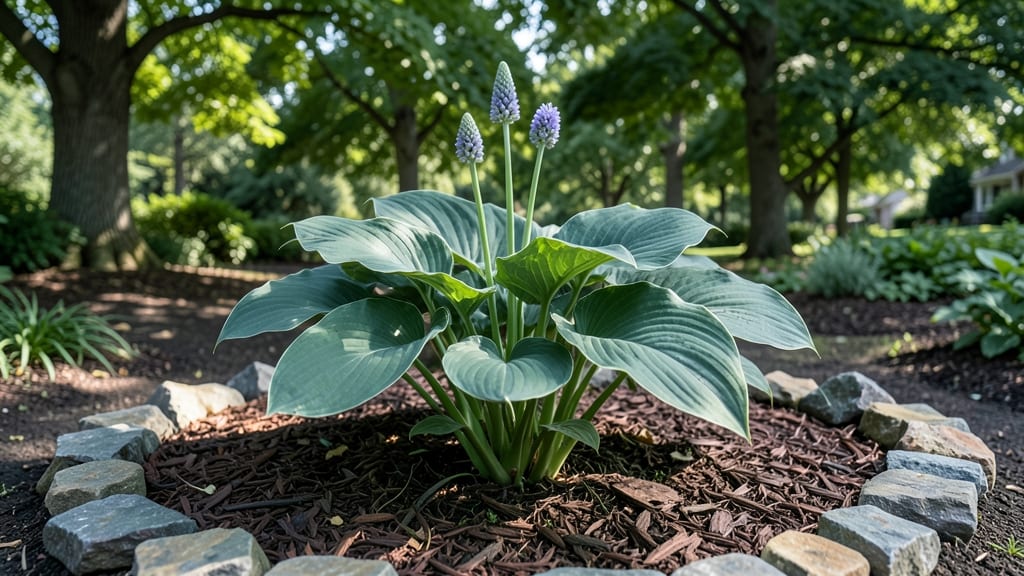
Shade-tolerant perennial flowers bring life to those forgotten corners where sunlight barely reaches. 🌿 I used to think my shady garden was a lost cause—until I discovered these hardy beauties that thrive in low light and reward me with months of vibrant blooms.
The secret lies in choosing the right plants for your shade level: hostas for deep shade, astilbes for dappled light, and heucheras for their stunning foliage. These perennials return year after year, reducing maintenance while adding texture, height, and seasonal interest to your garden.
By mid-summer, your shady spots will burst with color—deep purples, soft pinks, and lush greens—that make the whole garden feel alive. They attract pollinators too, turning forgotten areas into thriving ecosystems. Perfect for woodland gardens, foundation plantings, or under trees. Let's bring your shaded spaces to life!
📚 In This Guide
- What you need
- Instructions
- Tips and common mistakes
- Wrapping up and next steps
What you need
- ● Shade-tolerant perennial flowers: 5–10 plants of Hosta (e.g., 'Blue Angel' or 'Francee')
- ● 3–5 plants of Astilbe (e.g., 'Fanal' or 'Deutschland')
- ● 3–5 plants of Heuchera (e.g., 'Palace Purple' or 'Lime Rickey')
- ● 3–5 plants of Bleeding Heart (Dicentra spectabilis)
- ● 2–3 plants of Foamflower (Tiarella cordifolia)
- ● 2–3 plants of Lungwort (Pulmonaria)
- ● Soil amendments: 5–10 lbs of peat moss or coco coir (for moisture retention)
- ● 5–10 lbs of compost (for nutrients)
- ○ Optional: 2–3 lbs of slow-release organic fertilizer (e.g., 10-10-10)
- ● Tools: 1 garden trowel or hand shovel
- ● 1 garden fork (for aerating soil)
- ● 1 wheelbarrow or bucket (for mixing soil)
- ● 1 hose or watering can with a fine rose nozzle
- ● 1 pair of gardening gloves
- ● 1 pair of pruning shears (for cleanup)
- ● Location: A spot receiving partial to full shade (2–6 hours of sunlight daily). Avoid deep, dark corners.
- ● Soil: Well-draining, moist (but not soggy) soil with a pH of 5.5–6.5 (most shade plants prefer slightly acidic soil).
- ● Spacing: Follow plant tags for spacing, but generally: Hostas: 12–24 inches apart
- ● Astilbes: 12–18 inches apart
- ● Heucheras: 12–18 inches apart
- ○ Mulch (optional but recommended): 2–3 inches of shredded bark or pine straw to retain moisture and suppress weeds.
How to design a stunning shade garden with perennial flowers
Here's how to create a vibrant, low-maintenance shade garden that thrives with minimal sunlight.
🌱 Step 1: Choose the Right Shade-Tolerant Perennials
Start by selecting plants that thrive in low to no direct sunlight. My go-to shade-tolerant perennials include hostas for lush foliage, heucheras for striking leaf colors, and astilbes for feathery plumes. These plants handle dappled shade (filtered sunlight) to full shade (no direct sun) beautifully.
For bold blooms, consider bleeding hearts (Dicentra spectabilis) and foxgloves (Digitalis purpurea)—both love moist, well-drained soil and bring vertical interest. I always check the plant tags for light requirements, as even shade-loving plants vary. For example, hostas tolerate full shade, while heucheras do well in partial shade with a few hours of morning sun.
🪴 Step 2: Prepare the Soil for Moisture Retention
Shade gardens need rich, well-draining soil that holds moisture without becoming soggy. Amend your existing soil with 2-3 inches of compost and a handful of perlite or sand to improve drainage. I mix these into the top 12 inches of soil to ensure roots have access to nutrients and water.
If your soil is heavy clay, work in peat moss or coconut coir to lighten it. Shade-tolerant perennials often prefer slightly acidic to neutral soil (pH 6.0-7.0), so test your soil before planting. You can adjust pH with lime (to raise) or sulfur (to lower) if needed. Water the amended soil deeply before planting to help it settle.
☀️ Step 3: Plant in Layers for Depth and Texture
Create visual interest by planting in three layers: tall plants at the back, mid-height perennials in the middle, and low-growing ground covers in front. For example, place foxgloves (3-4 feet tall) at the back, heucheras (1-2 feet) in the middle, and ajuga (6 inches tall) in front. This arrangement mimics natural woodland layers and maximizes space.
Space plants according to their mature size—12-18 inches apart for most perennials. Dig holes twice as wide as the root ball but no deeper to avoid burying the crown. Water each plant deeply after planting to encourage root growth. Mulch with 2-3 inches of shredded bark or leaves to retain moisture and suppress weeds, but keep mulch 2 inches away from stems to prevent rot.
💧 Step 4: Water Deeply and Mulch Consistently
Shade gardens stay moist longer, but they still need regular watering until plants establish roots (4-6 weeks). Water deeply once or twice a week, soaking the soil to 6 inches deep. You’ll know it’s enough when water drips from the bottom of the pot or when the soil feels damp 2 inches below the surface. Overwatering is a common mistake—always check for soggy soil before watering again.
After the initial watering phase, mulch helps retain moisture and regulate soil temperature. Replenish mulch annually in early spring to maintain a 2-3 inch layer. Avoid thick mulch layers, which can smother roots and attract pests. A light layer also prevents soil compaction from foot traffic.
✂️ Step 5: Prune and Maintain for Long-Term Beauty
Most shade-tolerant perennials need minimal pruning, but deadheading spent blooms (like on astilbes or bleeding hearts) encourages more flowers. Cut back woody stems in early spring to make room for new growth. For hostas, remove yellow or damaged leaves as needed, but leave healthy foliage until late fall for winter interest.
Fertilize lightly in early spring with a balanced, slow-release fertilizer (10-10-10). Too much fertilizer can lead to leggy growth or excessive foliage at the expense of blooms. I also monitor for pests like slugs or snails, which love tender shade plants. Handpick them in the evening or use organic slug bait if needed. With proper care, your shade garden will thrive for years with bold color and minimal effort.
Tips & tricks for perfect shade-tolerant perennial gardens
Creating a thriving shade garden isn't rocket science—it just takes the right approach. Here's what I've learned after designing several stunning shade gardens that pop with color and require minimal upkeep.
Plant Selection Matters: Not all shade plants are created equal. While hostas and heucheras are classic choices, don't overlook Japanese painted ferns for delicate texture or lamium for vibrant foliage. I always check the plant tags for specific light requirements—some plants labeled "shade-tolerant" still need a few hours of morning sun. For example, heucheras often perform best with partial shade rather than full darkness.
Soil Preparation is Key: The secret to happy shade plants lies in the soil. I can't stress enough how important it is to mix in 2-3 inches of compost and perlite or sand to improve drainage. For heavy clay soil, add peat moss or coconut coir—this lightens the soil and prevents waterlogging. Remember to water the amended soil deeply before planting to help it settle properly. This step makes all the difference in preventing root rot.
Layering Creates Visual Impact: The three-layer planting approach (tall at back, mid-height in middle, low-growing in front) transforms a flat garden into a lush woodland scene. I like to use foxgloves (3-4 feet) at the back, heucheras (1-2 feet) in the middle, and ajuga (6 inches) in front. This arrangement not only looks stunning but also maximizes space. When spacing plants, remember to consider their mature size—12-18 inches apart is ideal for most perennials.
Mulching Secrets: Mulch isn't just for looks—it's essential for retaining moisture and regulating soil temperature. Use 2-3 inches of shredded bark or leaves, but keep it 2 inches away from stems to prevent rot. I replenish mulch annually in early spring, which helps maintain that perfect moisture balance. A light layer also prevents soil compaction from foot traffic, keeping your garden looking neat and healthy.
Pro Tips for Shade Tolerant Perennial Flowers
- Creating a thriving shade garden isn't rocket science—it just takes the right approach.
- Plant Selection Matters: Not all shade plants are created equal.
- Soil Preparation is Key: The secret to happy shade plants lies in the soil.
Frequently asked questions
Got questions about shade-tolerant perennials?
You’re not alone! Here are answers to the most common concerns—from planting tips to troubleshooting—so you can confidently bring bold color to shady spots.
What are the easiest shade-tolerant perennials for beginners?
Start with hostas, heucheras, or astilbes—they’re hardy, low-maintenance, and thrive in low light. Bleeding heart (Dicentra) and foamflower (Tiarella) are also forgiving picks for beginners. Look for varieties labeled "shade-loving" or "part shade" to avoid disappointment!
When is the best time to plant shade perennials?
Plant in early spring or early fall when soil is workable but not frozen. This gives roots time to establish before extreme heat or cold. Avoid summer planting—heat stress can stunt growth. Pro tip: Water deeply after planting to reduce transplant shock!
How much shade can these flowers actually handle?
Most shade-tolerant perennials need 2–6 hours of dappled sunlight daily. Deep shade (<1 hour of light) limits options to ferns, hellebores, or lungwort. Test your spot: If houseplants thrive there, it’s likely suitable for shade perennials!
What should I do if my shade perennials look leggy or sparse?
Leggy growth often means too little light or overcrowding. Try:
- Thinning out plants to improve airflow.
- Adding a reflective mulch (like white gravel) to bounce light onto leaves.
- Fertilizing lightly in spring with low-nitrogen, high-phosphorus food to encourage blooms.
If the issue persists, consider swapping out underperformers for impatiens or caladiums (annuals that tolerate deeper shade).
Can I mix shade perennials with annuals for extra color?
Pair perennials like heucheras (bold foliage) with impatiens or begonias (vibrant blooms) for seasonal pops of color. Just ensure annuals won’t outcompete perennials for water/nutrients. Pro tip: Use annuals in containers near perennials to keep them contained!
Wrapping up and next steps
Transforming shady spots into vibrant gardens is easier than you think—shade-tolerant perennials bring life, color, and resilience to even the trickiest corners! 🌿 From hardy Hosta to bold Bleeding Heart, these plants prove that low-light areas can be just as stunning as sunny patches.
Whether you’re a seasoned gardener or a beginner, these flowers offer low-maintenance beauty that thrives year after year.
Ready to elevate your garden’s underutilized spaces? Start small—pick 1-2 perennials that match your shade level, and watch your garden flourish with minimal effort. Grab your gloves, get planting, and enjoy the rewards of a shadowy sanctuary that’s anything but dull!