
Plants
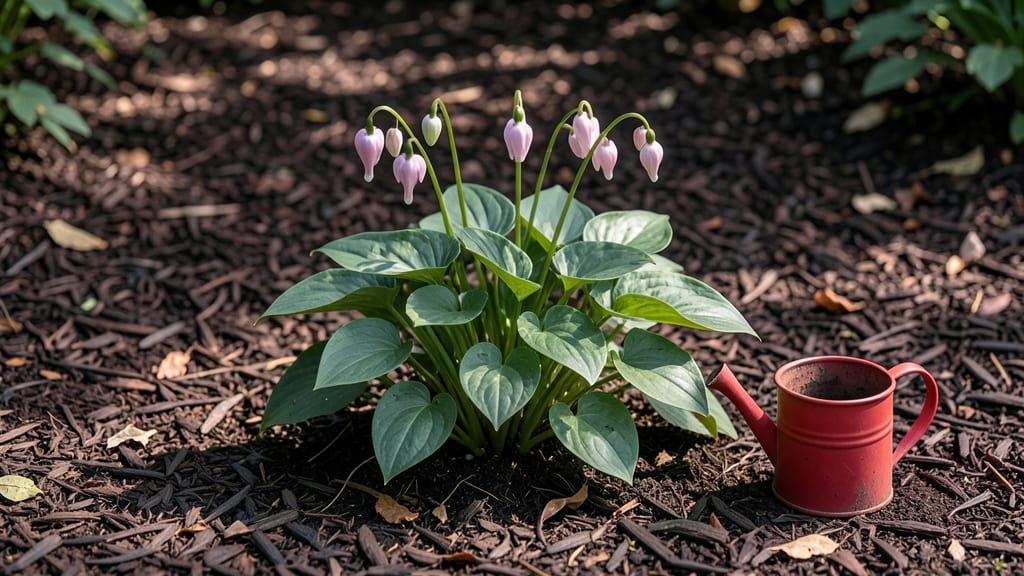
A bleeding heart plant thrives in shade or sun—just not the wrong kind, and the difference between lush blooms and sad, leggy stems is all in the light.
Picture this: your 💔 bleeding heart plant, once a showstopper, now stretching toward the sky like it’s begging for attention. You watered it, fertilized it, even talked to it—yet the blooms are sparse, and the leaves look half-hearted. The culprit?
Too much sun, or not enough of the right kind. Most gardeners assume "shade" means "dark corner," but bleeding hearts need something more nuanced: dappled light, morning sun with afternoon shade, or full shade in hot climates.
Here’s the good news: getting the light right isn’t rocket science. Whether you’re in USDA Zone 6a or a warmer region, I’ll show you how to read your plant’s signals—yellowing leaves, weak stems, or even no flowers—and fix it without uprooting everything.
Plus, I’ll share shade-hacking tricks for sunny spots and companion plants that keep your bleeding heart happy year after year.
By the end, you’ll know exactly where to place your 💔 for bold, long-lasting blooms, and why a little afternoon shade can mean the difference between a thriving plant and one that’s just… surviving.
 Best Window Placement
Ideal sunlight conditions for bleeding heart plants: full shade vs partial sun
If you're growing bleeding heart plants (Dicentra spectabilis), sunlight is the single most critical factor for their health and blooming success. These delicate beauties thrive in shady conditions but can struggle when exposed to too much direct sun.
Let's break down the perfect light balance for your bleeding hearts to flourish.
The key to happy bleeding heart plants lies in understanding their partial shade needs. While they can tolerate full shade, this often results in fewer blooms.
Conversely, full sun exposure can scorch their leaves and cause stress. The ideal scenario is morning sun with afternoon shade, especially in warmer climates.
Here's how to assess your garden's microclimates to determine the best spot for your bleeding hearts. Start by observing areas where other shade-loving plants thrive, like hostas or ferns. These spots often provide the perfect dappled sunlight that bleeding hearts love.
Regional differences play a huge role in light requirements. In USDA Zone 6 or cooler, bleeding hearts can handle more morning sun. But in hotter southern zones (7-9), they'll appreciate afternoon shade to prevent leaf burn. Always consider your local climate when choosing a planting location.
Now let's compare the specific light conditions to help you make the best choice for your bleeding heart plants:
| Light Condition | Sun Exposure | Best For | Bloom Impact | Regional Adaptation |
|---|---|---|---|---|
| Full Shade | 0-2 hours direct sun | North-facing walls, deep shade gardens | Moderate blooms, lush foliage | Cooler climates (Zones 3-6) |
| Partial Shade (Morning Sun) | 2-4 hours morning sun, afternoon shade | East-facing borders, dappled woodland areas | Abundant blooms, healthy growth | Ideal for most climates (Zones 3-9) |
| Partial Shade (Afternoon Shade) | 2-4 hours afternoon shade, morning sun | West-facing locations with shade cloth | Strong blooms, minimal stress | Hot climates (Zones 7-10) |
| Full Sun | 6+ hours direct sun | South-facing exposures (not recommended) | Poor blooms, leaf scorch risk | Avoid in all climates |
For optimal growth, aim to provide your bleeding hearts with 3-4 hours of filtered sunlight daily. This could mean placing them under tree canopies that allow dappled sunlight to reach them, or positioning them near east-facing windows where they'll receive gentle morning light without afternoon heat.
If you're in a hot, dry climate, consider using shade cloth (30-50% coverage) during peak afternoon hours. This mimics natural shade conditions while still allowing some light penetration. Remember, bleeding hearts are woodland plants, so they're accustomed to gentle, indirect light rather than harsh sunlight.
When planting bleeding heart plants, observe their surroundings for at least two weeks before finalizing their location. Note how much sunlight reaches the spot at different times of day.
In spring and fall, the same location may receive different light patterns than in summer, so seasonal adjustments might be necessary.
Pro tip: Pair your bleeding hearts with taller plants like hostas or astilbes to create natural shade during the hottest parts of the day. This not only protects your bleeding hearts but also creates a stunning layered garden effect that thrives in shady conditions.
Remember that bleeding heart plants are perennials, so finding the right light spot will pay off for years to come. With the perfect balance of sun and shade, you'll be rewarded with lush foliage and abundant heart-shaped blooms that will make your garden the envy of the neighborhood.
Signs your bleeding heart plant needs more or less light (and how to fix it)
Your bleeding heart plant (Dicentra spectabilis) thrives on delicate balance—too much sun scalds its leaves, while too little shade weakens its stems. I’ve seen leggy growth and sparse blooms from light mismatches, and I’m here to help you diagnose the issue before it’s too late.
The key is observing subtle clues like leaf color, bloom density, and stem strength.
Start by checking your plant’s current light exposure. If it’s in a west-facing window or hot afternoon sun, it’s likely getting too much light. Conversely, if it’s tucked behind dense shrubs with no dappled rays, it may need more brightness.
The ideal spot offers morning sun and afternoon shade, mimicking its native woodland habitat.
⚠️ WARNING: Bleeding Heart Light Stress Signs
⚠️ Too Little Light: Leggy stems stretching toward light, small pale leaves, and no heart-shaped flowers. The plant may look weak and sparse.
To fix over-exposure, move your plant to a spot with filtered light or use a light sheer curtain to diffuse harsh rays. If your plant is under-lit, gradually introduce more brightness—never shock it with full sun overnight.
A rotating schedule of 1-2 extra hours of morning light weekly can help without stressing the roots.
For container-grown bleeding hearts, rotate the pot every few weeks so all sides get even light. This prevents lopsided growth and ensures the plant doesn’t lean toward a single light source.
If you’re unsure about your garden’s microclimate, test with a light meter app to track foot-candles—ideal levels are 500-1,000 ft-candles for partial shade.
Remember, adjustments should be gradual. Sudden changes can cause transplant shock, even if you’re just relocating the pot. Water your plant deeply before moving to reduce stress, and monitor for new leaf growth as a sign it’s adapting.
Patience is key—your bleeding heart will reward you with lush foliage and dramatic blooms once the light is just right.
Pro tip: Pair your bleeding heart with hostas or ferns for natural shade support. These companions thrive in similar conditions and create a protective canopy. With the right light balance, your plant will flourish for years—just like mine does in my east-facing garden bed! 💔