
Planting
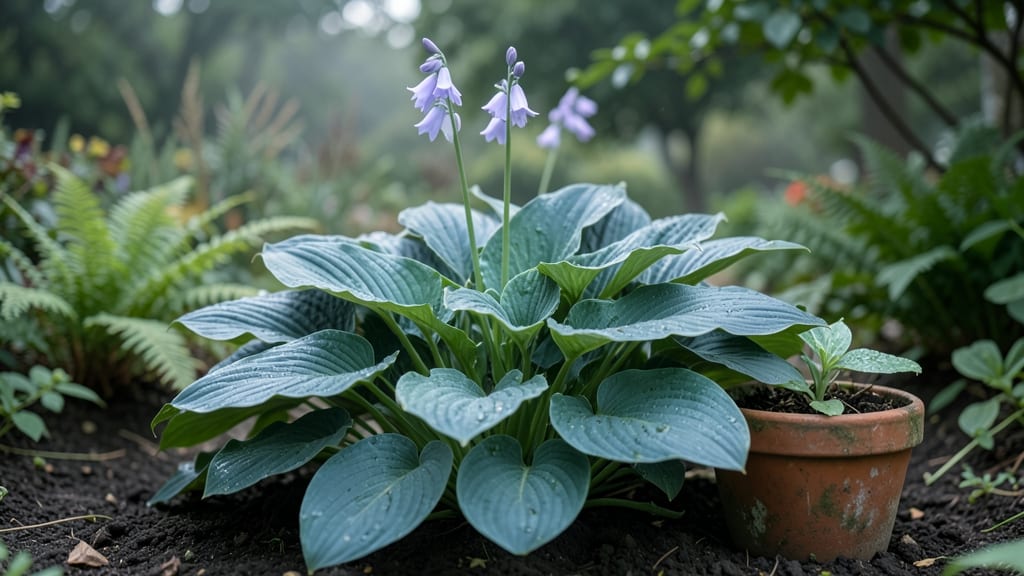
Zone 3 shade perennials prove that deep shadows don't mean dull gardens. ✨ I've transformed my own dark corner into a lush, year-round display using plants that thrive where others fail—blooming reliably even in the harshest winters.
Most shade perennials for Zone 3 need 6 hours or less of direct sun and tolerate temperatures down to -30°F. The key is choosing cold-hardy varieties like astilbe, hellebore, and lungwort that store energy in their roots for spring reblooms.
My go-to mix includes Japanese painted fern for texture and bleeding heart for delicate spring flowers.
You'll see vibrant foliage by early summer and flowers that last from spring through fall. These perennials spread slowly but steadily, creating a low-maintenance woodland garden that stays green even when neighbors' plants brown. The secret? Well-draining soil and mulch to protect roots during winter.
Works equally well in woodland gardens, under trees, or north-facing beds. Once established, they need minimal care—just occasional watering in dry spells and deadheading spent blooms. Let's bring life to those shadowy spots!
📚 In This Guide
- What you need
- Instructions
- Tips and common mistakes
- Wrapping up and next steps
What you need
- ● Shade-tolerant perennial plants (Zone 3 hardy): 5–10 plants (e.g., Hosta, Astilbe, Heuchera, Bleeding Heart, or Japanese Painted Fern)
- ● Check labels for USDA Zone 3–4 ratings
- ● High-quality potting soil or garden soil: 5–10 bags (2–3 cubic feet each)
- ● Organic compost or mulch: 1–2 bags (for nutrient boost)
- ● Garden gloves (1 pair, heavy-duty)
- ● Hand trowel or transplant spade (for delicate root handling)
- ● Watering can or hose with gentle spray nozzle
- ● Mulch (cedar chips or shredded bark): 2–3 bags (to retain moisture)
- ● Slow-release fertilizer: 1–2 bags (balanced 10-10-10 or organic option)
- ● Planting grid or measuring tape (for spacing consistency)
- ● Epsom salt (magnesium sulfate) (1–2 lbs for Heuchera or Astilbe)
- ● Shade cloth (30–50% coverage) (if your area gets partial sun)
- ● Decorative rocks or edging (to define plant beds)
How to design a thriving shade perennial garden in Zone 3
Cold-hardy shade plants bring color and texture to dark corners—here’s how to select and arrange them for year-round impact.
🌱 Step 1: Choose Zone 3-Approved Shade Perennials
Focus on plants that tolerate less than 4 hours of direct sun and thrive in Zone 3’s -30°F to -40°F winters. My top picks include heuchera (coral bells), hosta (plantain lily), astilbe (false spirea), and ferns like matteuccia (ostrich fern). These deliver foliage, flowers, and texture without needing sunlight.
Check plant tags for USDA Zone 3 hardiness—some shade plants (like impatiens) die back in winter. I always cross-reference with local nursery recommendations to account for microclimates. For example, heuchera ‘Palace Purple’ survives winters here with just a thin layer of mulch.
🪴 Step 2: Prepare Soil for Moisture Retention
Shade gardens need well-draining but moisture-retentive soil. Amend native soil with 2-3 inches of compost and 1 inch of perlite to improve aeration. Test pH—most shade perennials prefer 5.5-6.5. If your soil is heavy clay, mix in 1 part peat moss to 3 parts garden soil before planting.
I dig a 12-inch-deep hole for each plant, loosening the soil at the bottom to encourage root spread. Add a handful of slow-release fertilizer (like 10-10-10) to the hole—this prevents nutrient spikes that stress tender roots. Water the amended soil until it’s evenly moist but not soggy before planting.
☀️ Step 3: Arrange for Height and Texture Layers
Place tallest plants (like astilbe at 2-3 feet) at the back or center of the bed, then layer mid-height foliage (hosta, heuchera) in the middle, and ground covers (like lamium or ajuga) at the front. This creates depth and prevents leggy growth from competing for light.
Group plants with similar water needs—ferns and hostas prefer consistently moist soil, while heuchera and astilbe tolerate slightly drier conditions. I sketch a rough layout first to avoid overcrowding; most shade perennials need 18-24 inches of space to mature without competition.
💧 Step 4: Water Deeply and Mulch for Winter Protection
Water deeply once a week (or daily in extreme heat) to encourage deep root growth. Shallow watering leads to weak stems and poor flowering. You’ll know moisture is right when the top 2 inches of soil feel damp but not waterlogged. Drip irrigation works best—it delivers water at soil level without wetting foliage (which invites fungal diseases).
After the first frost, apply a 3-inch layer of shredded bark mulch to insulate roots. This prevents soil heaving in freeze-thaw cycles and keeps soil temps stable. I always leave a 1-inch gap between mulch and plant stems to avoid rot. In spring, refresh the mulch layer to 2 inches as it settles.
✂️ Step 5: Prune and Divide for Long-Term Health
Cut back dead or damaged foliage in early spring (before new growth emerges) to tidy the garden. For hostas and astilbe, I remove spent flower stalks as they fade to redirect energy to foliage. Heuchera rarely needs pruning—just pinch back leggy stems in late summer to encourage bushiness.
Divide crowded clumps every 3-4 years in early spring or fall. Dig up the plant, separate sections with a clean knife, and replant the healthiest divisions. This rejuvenates growth and prevents center die-out. I always discard the oldest, woody core—it won’t regenerate.
Tips & tricks for perfect shade perennial gardens in Zone 3
Here's what nobody tells you about creating a shade garden that thrives in Zone 3's harsh winters and low-light conditions.
Microclimate Mastery: Zone 3's temperature range of -30°F to -40°F means microclimates can make all the difference. South-facing walls or large trees create warmer pockets where you can push the limits with marginally hardier plants like cimicifuga (bugbane) or ligularia. I've successfully grown these in protected spots where they wouldn't survive in open exposures. Always observe your garden's sun patterns for at least a week before planting to identify these microclimates.
Soil Science: The 2-3 inches of compost and 1 inch of perlite recommendation isn't just about moisture retention—it's about creating an ideal microbial environment. Zone 3 soils often lack the organic matter needed for beneficial fungi and bacteria that help plants absorb nutrients. I recommend adding worm castings to the compost mix for an extra boost of microbial activity. This becomes especially important when planting hostas and ferns, which are particularly sensitive to soil health.
Layering Like a Pro: When arranging your 2-3 foot astilbe at the back, consider their mature height AND their growth habit. Astilbe's feathery plumes can get top-heavy in wind, so I always pair them with heuchera or tiarella at the front to provide physical support. This creates a more stable structure while maintaining that layered look. The 18-24 inch spacing isn't just about avoiding competition—it allows for proper air circulation, which is crucial for preventing fungal diseases in our damp Zone 3 summers.
Winter Preparation: That 3-inch mulch layer after first frost does more than insulate—it creates a thermal buffer that prevents soil temperature fluctuations. I've found that adding a thin layer of straw (about 1 inch) on top of the shredded bark mulch helps retain even more moisture during our dry winter winds. This extra layer becomes particularly valuable when protecting hostas and heuchera, which are more susceptible to winter desiccation.
Pro Tips for Shade Perennials Zone 3
- Here's what nobody tells you about creating a shade garden that thrives in Zone 3's harsh winters and low-light conditions.
- Microclimate Mastery: Zone 3's temperature range of -30°F to -40°F means microclimates can make all the difference.
- Soil Science: The 2-3 inches of compost and 1 inch of perlite recommendation isn't just about moisture retention—it's about creating an ideal microbial environment.
Frequently asked questions
Got questions about shade perennials in Zone 3?
You’re not alone! Here are answers to the most common concerns—from planting tips to troubleshooting—so you can create a thriving, low-light garden even in cold climates.
What are the easiest shade perennials to grow in Zone 3?
Start with hostas, heucheras, astilbes, and lungworts—they’re tough, low-maintenance, and bloom reliably. For foliage, try Japanese painted ferns or Hosta ‘Blue Angel’. These picks thrive in partial to full shade and handle Zone 3’s winters like champions!
When is the best time to plant shade perennials in Zone 3?
Plant in early spring (April–May) or early fall (September–October) to give roots time to establish before extreme cold or heat. Avoid late summer—plants may struggle to adapt before winter. Mulch after planting to protect roots!
Can I grow shade perennials in containers in Zone 3?
Use heucheras, foamflower, or bleeding heart in pots with well-draining soil. Choose containers with drainage holes and move them to a sheltered spot in winter (or use frost-proof pots). Just ensure they get at least 4–6 hours of indirect light daily.
How do I keep pests away from my shade perennials in Zone 3?
Slugs and snails love hostas—copper tape or diatomaceous earth helps deter them. For aphids, spray with soapy water or introduce ladybugs. Healthy soil (rich in compost) boosts plant resilience. Heucheras are deer-resistant, but protect tender new growth with netting if needed!
Will shade perennials survive Zone 3 winters without extra protection?
Most hardy varieties (like coral bells or Japanese anemones) handle Zone 3’s winters fine, but mulch heavily (4–6 inches) and add straw or leaves around crowns for extra insulation. Tender perennials (e.g., Hellebores) may need a light blanket of evergreen boughs in harsh winters.
Wrapping up and next steps
Transforming your shady Zone 3 garden into a vibrant, low-maintenance haven is easier than you think! 🌿 With the right shade-tolerant perennials—like heuchera, astilbe, and hosta—you can enjoy year-round color and texture, even in the coldest climates.
These hardy plants not only thrive in minimal sunlight but also demand less water and care, making them the perfect choice for busy gardeners.
Ready to take the next step? Start small: Pick 2-3 plants from our list, sketch a layout, and test your soil’s moisture levels. Before you know it, your shadowy corners will burst with life—without the fuss! Happy planting! 🌸