
Light Requirements
Struggling to keep your shady garden vibrant? These 10 shade-tolerant perennials thrive with minimal sunlight while delivering stunning foliage, flowers, and textures year after year—no green thumb required.
Hostas for Lush Green Foliage

Transform those tricky, shady spots under trees or along foundations into a lush green oasis with hostas—the ultimate shade-tolerant superstars. With over 3,000 varieties, you’ll find everything from deep blue-green giants to tiny, variegated dwarfs, all thriving where other plants refuse to grow.
Plant hostas in well-draining, moist soil enriched with compost, and they’ll reward you with bold foliage year-round. Most varieties prefer partial to full shade, making them perfect for northern exposures or tree canopies. For extra drama, mix blue, gold, and striped leaves in the same bed—no two hostas look alike! They’re also deer-resistant, which is a bonus for rural gardeners.
Urban gardeners and beginners will love how low-maintenance hostas are—they spread slowly, suppress weeds, and handle drought once established. Just divide clumps every 3-4 years to keep them vigorous. 🌱
Hellebores Bring Winter Blooms

When your garden looks like a winter wonderland of brown and bare branches, helleborus (commonly called hellebores) steps in to steal the show. These hardy perennials bloom from late winter through early spring, offering delicate flowers in shades of white, pink, purple, and green when most other plants are still dormant.
Perfect for woodland gardens or shaded borders, hellebores thrive in partial to full shade and tolerate poor soil conditions—even dry shade once established. Their deer-resistant nature makes them a low-maintenance favorite, and their evergreen foliage provides year-round interest. Plant them in clusters for a natural, drift-like appearance, and enjoy their long-lasting blooms that often last for weeks.
Gardeners in cooler climates will especially appreciate hellebores, as they bring early color and life to shady spots where other perennials struggle. 🌿
Ferns for Textured Elegance

If your garden has deep shade where most plants refuse to grow, ferns are your secret weapon. These elegant perennials thrive in conditions too dark for sun-loving plants, offering lush, textured fronds that add sophistication to any shady corner.
Ferns like the Japanese painted fern or autumn fern spread slowly, filling empty spaces without becoming invasive. They prefer moist, well-draining soil and can tolerate humidity, making them ideal for woodland gardens or areas under trees. With minimal care—just occasional watering and mulch—they’ll reward you with year-round greenery.
Perfect for beginners or gardeners with limited sunlight, ferns bring a natural, architectural touch that elevates any shade garden. 🌿
Astilbes for Feathery Plumes

When summer arrives and your shade garden feels like it’s taking a nap, astilbes swoop in to save the day with their feathery plumes that dance in the breeze. These butterfly magnets bloom from mid-to-late summer, filling gaps when other shade plants might be dormant, and their vibrant colors—ranging from pink to white—add a pop of cheer to dim corners.
Thriving in consistently moist soil, astilbes are perfect for woodland gardens, rain gardens, or even containers with good drainage. They prefer partial shade (3-6 hours of sun) and will reward you with 3-4 weeks of showy blooms if kept well-watered. Deadhead spent flowers to encourage more blooms, and mulch around the base to retain moisture—these plants hate drying out.
Gardeners with moist, shady spots will love how easy astilbes are to grow, while pollinator enthusiasts adore their ability to attract butterflies and bees. Pair them with ferns or hostas for a lush, layered look that stays stunning all season. 🌟
Lungwort for Unique Spotted Leaves

Want a shade garden that pops with eye-catching foliage without the fuss? Lungwort (Pulmonaria) delivers with its signature silver-spotted leaves that transition to green as spring progresses—a natural conversation starter in any garden bed.
This early spring bloomer thrives in partial to full shade, producing delicate blue-purple flowers that stand out against its unique leaves. Unlike many perennials, lungwort self-seeds minimally, so you won’t be overwhelmed by unwanted volunteers. Plant it in moist, well-draining soil enriched with compost, and it’ll reward you with year-round interest—even after the flowers fade, the foliage remains striking.
Perfect for woodland gardens or shaded borders, lungwort pairs beautifully with hostas and ferns while attracting pollinators. Gardeners with limited sunlight will love how this low-maintenance plant thrives with minimal care. ✨
Coral Bells for Colorful Foliage

Brighten up shady corners with coral bells (Heuchera), a shade-loving perennial that delivers bold foliage in shades of purple, chartreuse, and silver—without needing a single ray of direct sunlight. These compact plants thrive in containers or small garden beds, making them perfect for patios, balconies, or understory plantings where space is limited.
Coral bells prefer well-draining soil enriched with compost and tolerate both full and partial shade, though their colors intensify in cooler, shadier conditions. Varieties like 'Palace Purple' or 'Lime Rickey' add dramatic contrast, while their delicate flower spikes in spring provide a bonus pop of color. Deadhead spent blooms to encourage more foliage production, and divide clumps every 3-4 years to keep them vigorous.
Urban gardeners and small-space enthusiasts will love how coral bells bring vibrant color to tight spots, while their slow-spreading habit keeps them manageable. Pair them with ferns or hostas for a layered, textured look that thrives year-round. ✨
Solomon's Seal for Graceful Arches

Looking to add architectural elegance to your shade garden without the fuss? Solomon’s Seal (Polygonatum) creates stunning, cascading arches with delicate white flowers that dangle like nature’s chandeliers. Unlike aggressive spreaders, this perennial grows at a measured pace, forming graceful drifts that fill empty spaces under trees or along pathways.
This shade-loving beauty thrives in dry to moderately moist soil once established, making it perfect for areas where other plants struggle. Plant the rhizomes in spring or fall in partial to full shade, spacing them 12-18 inches apart. The arching stems (up to 3 feet tall) produce fragrant white flowers in late spring, followed by edible blue berries that add seasonal interest. Its semi-evergreen foliage provides year-round structure, even in winter.
Ideal for gardeners who want low-maintenance structure with minimal upkeep, Solomon’s Seal pairs beautifully with ferns and hostas. Its drought tolerance once established makes it a standout for busy gardeners or shaded spots with poor soil. 🌿
Bleeding Heart for Romantic Flowers

Craving a touch of romance in your shade garden? Bleeding heart (Dicentra spectabilis) delivers dreamy, heart-shaped blooms in soft pink or white that cascade like a waterfall, making it the ultimate spring star for woodland settings. Unlike many shade plants, it offers both striking flowers and delicate, fern-like foliage that adds texture long after blooms fade.
This classic shade perennial thrives in partial to full shade (3-6 hours of sun) and prefers moist, well-draining soil enriched with organic matter. Plant it in early spring for summer blooming, and pair it with hostas or ferns to create a lush, layered look. After flowering, cut back stems to maintain tidiness—it’ll reward you with fresh foliage that stays attractive all season.
Perfect for cottage gardens, woodland edges, or containers in shady spots, bleeding heart brings whimsical charm with minimal effort. Gardeners who love seasonal interest will adore how it transforms a dull corner into a romantic focal point. 💚
Japanese Painted Fern for Moisture-Loving Gardens

Turn those soggy, neglected corners of your garden into a stunning focal point with the Japanese painted fern (Athyrium niponicum var. pictum)—a moisture-loving superstar that thrives where other plants drown. Its silvery-green fronds with deep green centers create a dramatic, almost metallic contrast, making it perfect for bog gardens, rain gardens, or areas with poor drainage that never dry out.
This fern loves consistently damp soil and tolerates full to partial shade, making it ideal for understory plantings or containers with standing water. Unlike many shade plants, it doesn’t wilt in humidity—its fronds stay crisp and upright even in wet conditions. For extra drama, plant it in clusters with hostas or astilbes to create a lush, layered look that stays vibrant all season.
Gardeners with moist, shady spots or those creating wildlife-friendly habitats will adore how this fern attracts butterflies and thrives with minimal care. Just keep the soil consistently damp, and you’ll enjoy its striking foliage year-round. 💚
Foxglove for Dramatic Height

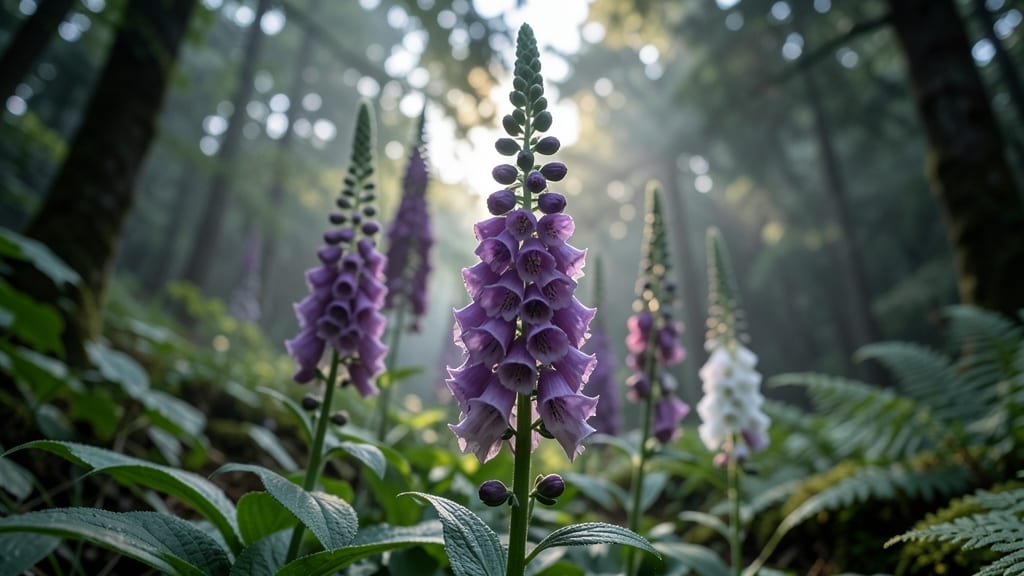
Ready to add dramatic vertical interest to your shade garden without the fuss of tall sun-lovers? Foxglove (Digitalis) delivers towering spikes of bell-shaped flowers that reach 3-5 feet tall, creating instant focal points in woodland gardens or understory plantings where sunlight is scarce.
This biennial perennial thrives in partial to full shade, preferring moist, well-draining soil enriched with compost. Plant seeds in early spring or fall, and expect blooms in their second year—though they’ll self-seed reliably for years afterward, giving you free plants with minimal effort. The purple, pink, or white flowers attract hummingbirds, while their rugged foliage adds texture even when not in bloom.
Perfect for cottage gardens or naturalized woodland areas, foxglove’s low-maintenance habit makes it ideal for busy gardeners. Just avoid overwatering and deadhead spent blooms to encourage more flowers. 🌻