
Tools
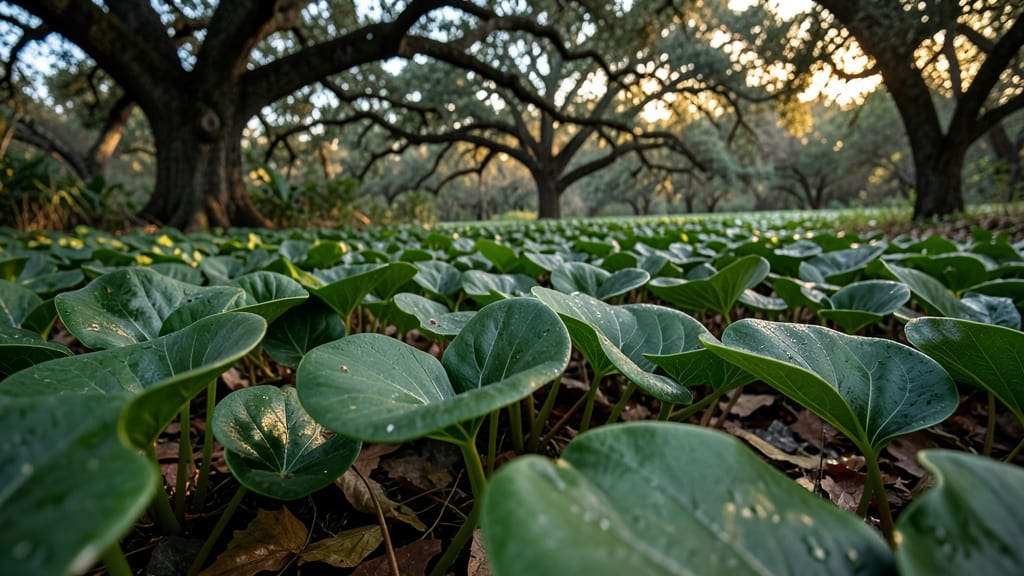
Texas shade gardens face unique challenges from relentless heat and humidity. These 10 native plants not only survive but thrive in low-light conditions, offering beauty, resilience, and minimal maintenance for Central Texas landscapes.
Texas Betony for Pollinator-Friendly Ground Cover

Tired of bare patches under your oak trees? Texas betony transforms those shady spots into a vibrant, buzzing ecosystem with its deep purple blooms that hummingbirds and butterflies can't resist. This native ground cover thrives where most plants struggle—dry, dappled shade—while doing double duty as a natural weed suppressor.
Plant Texas betony in early spring or fall, spacing clumps 12-18 inches apart. It spreads slowly but steadily, creating a dense mat that chokes out weeds while requiring almost no maintenance. The late summer to fall blooms provide nectar when other pollinator plants have faded, making it a garden hero for wildlife lovers. Just keep the soil slightly moist during establishment—once settled, it handles Texas drought like a champ.
Perfect for beginners and pollinator enthusiasts alike, this plant turns "problem areas" into thriving ecosystems with minimal effort. 🌟
Eastern Red Columbine for Vertical Interest

Looking to add vertical drama to your shade garden without the fuss? Eastern red columbine (Aquilegia canadensis) delivers cascading, nodding blooms that dance in the breeze—perfect for borders, rock gardens, or even container edges. Its delicate red-and-yellow flowers thrive where other plants struggle, making it a standout performer in dry shade or dappled sunlight.
This native wildflower adapts to rocky, poor soil and even tolerates brief afternoon sun exposure, ideal for Texas's variable shade conditions. Plant seeds directly in fall or early spring for self-seeding displays, and enjoy blooms from late spring through summer. Deer-resistant and low-maintenance, it’s a pollinator magnet too—hummingbirds and bees adore its nectar-rich flowers.
Gardeners with limited space or rocky terrain will love how eastern red columbine adds height and movement with almost no care. Pair it with ferns or hostas for a layered, woodland-inspired look. 🌷
Dwarf Yaupon Holly for Year-Round Structure

If you're craving a year-round green backbone for your Texas shade garden, dwarf yaupon holly is the unsung hero you’ve been missing. Unlike seasonal plants that fade in winter, this native evergreen delivers glossy, dark green foliage that stays vibrant through all four seasons—no matter how harsh the Central Texas heat or humidity.
This versatile shrub thrives in deep shade, making it perfect for foundation plantings, privacy screens, or formal hedges where other plants struggle. With compact growth (typically 3–5 feet tall), it’s ideal for smaller spaces and requires minimal pruning to maintain shape. The bonus? Red berries in winter provide food for birds, adding wildlife value while keeping your garden lively even in the coldest months.
Landscape designers and homeowners alike love dwarf yaupon holly for its low-maintenance nature—it tolerates poor soil, drought once established, and even urban pollution. Plant it as a foundation plant along driveways or as a hedge in shaded corners for structure that never fades. 🌿
Mexican Bush Sage for Fragrant Purple Foliage

Transform your shade garden into a sensory experience with Mexican bush sage, a drought-tolerant shrub that thrives where others struggle. Its silvery-purple foliage isn't just visually stunning—crush the leaves to release a refreshing citrusy aroma that lingers in the air, perfect for adding fragrance to dry, shaded areas.
This low-maintenance plant handles Texas' dry shade conditions once established, requiring only occasional watering after its root system develops. Plant it in well-draining soil and provide partial shade (2-6 hours of sunlight) for optimal growth. The plant's airy, textured form makes it ideal for borders, containers, or as a focal point in woodland gardens.
Perfect for gardeners seeking fragrant, drought-resistant plants with minimal care requirements, Mexican bush sage brings both visual and olfactory appeal to your Texas shade garden. 🌿
Bloodleaf for Bold Foliage Accents

Want to inject instant drama into your Texas shade garden without relying on flowers? Bloodleaf (Iresine herbstii) delivers jaw-dropping deep red foliage that pops against dark soil and silver-leaved neighbors, creating a high-contrast look that feels like a designer's secret weapon.
This tender perennial thrives in moist, well-drained soil and partial to full shade, making it perfect for understory plantings where most plants struggle. Prune back leggy stems in spring to encourage bushier growth, and watch as the vibrant leaves intensify with more shade. Pair it with Mexican bush sage or Texas sage for a striking silver-and-red contrast that's pure eye candy.
Ideal for gardeners who love bold statements with minimal fuss, Bloodleaf adds instant sophistication to containers, borders, or woodland garden edges. Just remember it's not cold-hardy—bring it indoors when Texas temperatures dip below freezing. 💚
Green Dragon Antelope Horns for Unique Texture

Want to inject drama into your Texas shade garden without the high water bill? Green Dragon Antelope Horns (Aporocactus flagelliformis) delivers architectural flair with its thick, spiky blue-green leaves that store water like a built-in reservoir. This desert-adapted succulent thrives where most plants wilt—dry shade under oak trees or in container gardens on patios.
Unlike moisture-loving shade plants, this drought-tolerant beauty needs well-draining soil and bright, indirect light (think dappled shade). Its exotic, almost sculptural form makes it a conversation starter, especially when grouped with silver foliage like Mexican bush sage. Water only when the soil is completely dry—its thick leaves hold moisture like a camel’s hump, making it perfect for low-maintenance gardeners.
Urban gardeners with limited space or those craving unexpected textures will love how this succulent elevates containers or borders. Just avoid heavy rains—its leaves can rot if overwatered. For a modern, desert-meets-garden vibe, plant it as a focal point in a mixed container with trailing ferns. 🌻
Coralberry for Native Wildlife Support

Want to create a wildlife magnet in your deep shade garden without sacrificing beauty? Coralberry (Symphoricarpos orbiculatus) is a fast-growing native shrub that delivers bright red berries birds can't resist while thriving where other plants fail. Its ability to tolerate wet soil makes it perfect for rain gardens or areas with poor drainage.
This versatile shrub grows 6–10 feet tall and spreads 4–6 feet wide, providing excellent privacy screening in shaded areas. Plant it in full to partial shade and expect rapid establishment—it handles Texas heat once rooted. The edible berries attract cardinals, mockingbirds, and thrushes, while its glossy green leaves stay attractive year-round. Prune lightly in late winter to control size and encourage bushier growth.
Ideal for urban gardeners, wildlife enthusiasts, and shade gardeners with challenging sites, coralberry turns neglected corners into vibrant ecosystems. 🌟
Fringe Flower for Late-Season Color

When your shade garden feels like it’s fading into fall, fringe flower (Loropetalum chinense) steps in as the unsung hero of late-season color. Its delicate pink, fringe-like blooms appear in summer and persist through autumn, long after most shade plants have called it quits—making it a must-have for extending your garden’s season.
This versatile shrub thrives in clay soil, a common challenge in Texas landscapes, and handles both dry shade and partial sun with ease. Plant it in well-draining soil and expect blooms that attract bees, butterflies, and other beneficial insects—turning your garden into a pollinator hotspot even as temperatures drop. Prune lightly after flowering to maintain shape, and watch as its glossy leaves add year-round texture.
Perfect for gardeners who want low-maintenance beauty with wildlife benefits, fringe flower brings effortless charm to borders, foundation plantings, or containers. Its adaptability makes it a standout for both beginners and experienced gardeners alike. 🌻
Texas Sage for Drought-Proof Structure

Craving a modern, sculptural look for your Texas shade garden that won’t demand constant watering? Texas sage (Leucophyllum frutescens) delivers silver-blue foliage with a compact, structured form—ideal for creating clean-lined borders, hedges, or even container gardens that thrive in dry shade while requiring almost no fuss.
This drought-proof shrub handles Texas’s relentless heat and humidity with ease, needing water only every 2-3 weeks once established. Its aromatic leaves turn a stunning lavender when blooming in response to rainfall, adding seasonal color without the upkeep of thirsty perennials. Prune lightly in spring to maintain its neat, geometric shape, and watch it become the backbone of your low-maintenance design.
Perfect for urban gardeners, modern landscapes, or anyone tired of high-maintenance shade plants, Texas sage brings sophisticated texture and year-round interest—all while saving water and time. 💡
Wild Ginger for Fragrant Ground Cover

Craving a fragrant, low-maintenance ground cover that outshines traditional shade plants? Wild ginger (Asarum canadense) delivers a spicy, citrusy aroma when brushed against, transforming dull corners into sensory-rich havens. Unlike fast-spreading invaders, this native perennial forms a dense, weed-suppressing mat over time while thriving in the moist, acidic soils common under East Texas oaks or along shaded creek banks.
Plant wild ginger in full to partial shade where other ground covers fail, keeping soil consistently moist (but not soggy) during its first growing season. Its heart-shaped leaves create a lush carpet that stays green year-round, while small purple flowers in spring add subtle interest. The key to success? Mulch heavily with leaf litter or pine needles to retain moisture and mimic its natural woodland habitat.
Perfect for woodland gardeners, shade enthusiasts, and those seeking low-maintenance solutions, wild ginger is the ultimate understory plant—no deadheading, no staking, just reliable beauty with a bonus fragrance. 💚