
Light Requirements
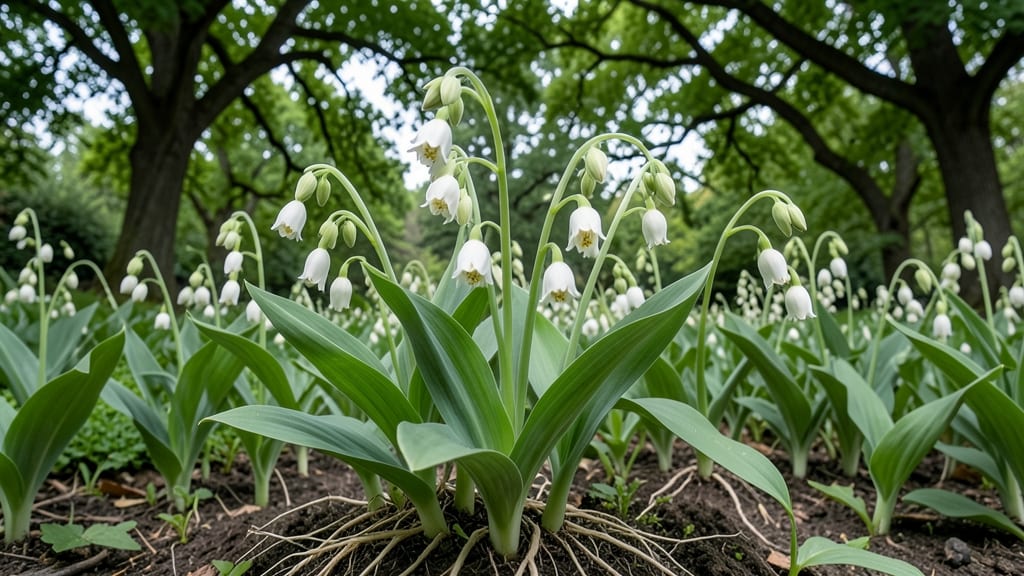
Struggling to create a pollinator-friendly garden in shady spots? These 10 part-shade pollinator plants thrive in low light while providing essential nectar and habitat for bees, butterflies, and hummingbirds year-round, even in challenging growing conditions.
Virginia Bluebells for Spring Blooms

If your garden feels too quiet in early spring, Virginia bluebells (Mertensia virginica) are the answer. These delicate, nodding flowers burst into soft blue and pink blooms as soon as snow melts, turning shady spots into a pollinator paradise before most other plants even think about waking up.
Native to eastern U.S. woodlands, Virginia bluebells thrive in part shade to full shade with moist, well-draining soil—ideal for understory plantings or woodland gardens. Their bell-shaped flowers dangle just enough to attract bumblebees and hummingbirds, while their airy foliage adds texture long after blooms fade. Plant bulbs in fall for spring surprises, and enjoy their 4-6 week bloom window that bridges the gap between winter and summer bloomers.
Perfect for beginner gardeners and woodland enthusiasts, these low-maintenance beauties multiply over time, creating naturalizing drifts that rival wildflower meadows. They’re also deer-resistant, making them a smart choice for rural properties. 🌷
Foxglove Digitalis for Hummingbird Magnet

Looking for a dramatic way to attract hummingbirds to your shady garden? Foxglove (Digitalis) delivers towering spikes of bell-shaped blooms that these tiny birds can't resist. Unlike sun-loving plants, foxglove thrives in moist, part-shade conditions, making it perfect for woodland edges or north-facing borders.
These biennials grow 3-5 feet tall, producing clusters of tubular flowers in shades of purple, pink, or white. Plant seeds in fall or early spring in well-draining soil with consistent moisture—once established, they require little care beyond occasional deadheading. The vertical structure also adds height to cottage gardens while providing shelter for beneficial insects.
Ideal for beginner gardeners and pollinator enthusiasts, foxglove's striking presence makes it a must-have for shady spots where other plants struggle. Just be mindful of its milky sap, which can irritate skin. 🌟
Astilbe for Butterflies and Long Blooms

Want to turn your shady garden into a butterfly hotspot without sacrificing beauty? Astilbe delivers feathery plumes in vibrant pinks, whites, and reds that bloom from early summer straight through fall—giving swallowtails and other butterflies a continuous buffet of nectar.
This partial-shade superstar thrives in moist, well-draining soil and handles humidity better than most pollinator plants. Choose from dwarf varieties (12-18 inches) for borders or tall types (2-3 feet) as dramatic focal points. Deadhead spent blooms to encourage more flowers, and watch your garden become a magnet for fluttering visitors.
Perfect for urban gardeners with limited sun or woodland gardeners wanting year-round color, astilbe’s long bloom season makes it the ultimate workhorse for pollinator-friendly shade gardens. 🌷
Bleeding Heart for Early Season Pollinators

When early spring feels like a gardening desert, bleeding heart (Dicentra spectabilis) swoops in like a romantic hero. Its heart-shaped pink or white flowers appear before most perennials, offering bees their first fresh nectar of the season while your garden is still waking up.
This woodland native thrives in part shade to full shade with moist, well-draining soil—perfect for understory plantings or shady borders. The arching foliage provides year-round interest even after blooms fade in late spring, creating lush green backdrops that contrast beautifully with spring bulbs. For best results, plant in fall or early spring and keep soil consistently moist during its first growing season.
Ideal for cottage gardens and woodland enthusiasts, bleeding heart adds vertical drama while supporting early pollinators. Just be aware that deer may nibble on the foliage—consider pairing it with deer-resistant companions like Japanese painted fern for protection. 💚
Coral Bells for Extended Season Interest

Tired of shady borders that feel dull and lifeless? Coral bells (Heuchera) are the secret weapon for adding year-round color while supporting pollinators from spring through fall. Unlike many shade plants that bloom briefly, coral bells offer continuous interest—whether through their striking foliage in burgundy, lime, or silver or their delicate flowers that attract bees and butterflies.
These low-maintenance perennials thrive in part shade to full shade with well-draining soil, making them perfect for underplanting trees or lining woodland edges. Choose varieties like 'Palace Purple' for deep foliage or 'Berry Smoothie' for vibrant red stems. Deadhead spent blooms to encourage reblooming, and mulch to retain moisture—especially in hotter months. With over 100 cultivars, you can mix textures and colors for a dynamic shady border.
Ideal for urban gardeners with limited space or beginner pollinator gardeners, coral bells deliver instant impact with minimal effort. Their drought-tolerant nature once established also makes them a smart choice for water-conscious landscapes. 🌿
Japanese Painted Fern for Year-Round Habitat

Not all pollinator plants need flashy flowers—sometimes, it’s the foliage that makes the difference. The Japanese painted fern (Athyrium niponicum var. pictum) may not produce blooms, but its silvery-green fronds create a year-round microclimate that shelters pollinator larvae from harsh weather and predators.
This hardy fern thrives in deep shade to part shade, making it perfect for understory plantings or woodland gardens where sunlight is scarce. Its arching fronds retain moisture and provide hiding spots for beneficial insects, while the striking color contrast adds visual interest to shady borders. Simply divide clumps every 3-4 years to keep them vigorous—no deadheading or pruning required.
Ideal for low-maintenance gardeners and woodland enthusiasts, this fern bridges the gap between ornamental and functional plants, proving that even non-flowering species play a vital role in pollinator ecosystems. 🌿
Lungwort for Medicinal Pollinator Support

If you're looking for a shade-loving plant with a dual purpose—medicinal and pollinator-friendly—lungwort (Pulmonaria) is your answer. This underrated perennial offers early spring blooms in shades of pink, purple, or blue, providing critical nectar for bees when few other flowers are available. Its unique silver-spotted leaves also add striking texture to woodland gardens, making it a standout for both form and function.
Lungwort thrives in part shade to full shade with moist, well-draining soil, making it perfect for understory plantings or shady borders. The flowers transition from pink to blue as they age, creating a natural color shift that delights gardeners. Historically used in herbal remedies for respiratory health, its common name reflects this legacy—though modern gardeners will appreciate it more for its pollinator support and low-maintenance nature. Simply divide clumps every few years to keep them vigorous.
Ideal for herb gardeners, woodland enthusiasts, and pollinator advocates, lungwort bridges the gap between functional and decorative plants. Its early-season blooms ensure bees get a head start, while its year-round foliage keeps your garden lively even in winter. A true multi-tasker! 🌱
Hosta for Pollinator-Friendly Foliage

If your shady garden feels like a missed opportunity for pollinators, hostas might be the unsung heroes you’ve overlooked. While they don’t produce flashy flowers, their broad, lush leaves create microclimates that retain moisture and shelter tiny pollinator larvae—especially in dry spells when other plants wilt.
Hostas thrive in part shade to full shade with consistent moisture, making them ideal for understory plantings or woodland edges. Their large leaves also provide year-round cover for beneficial insects, while varieties like 'Blue Angel' or 'Halcyon' add striking foliage contrast. For best results, mulch heavily to retain humidity and plant near other pollinator-friendly perennials like lungwort or Japanese painted fern to maximize habitat value.
Perfect for gardeners who prioritize low-maintenance foliage with a hidden ecological benefit, hostas are the quiet workhorses of shade gardens—supporting pollinators without demanding attention. 🌿
Columbine for Hummingbird and Bee Favorite

If you’ve ever watched hummingbirds hover just out of reach of other flowers, you’ll love how columbine (Aquilegia spp.) invites them in with its uniquely nodding blooms. These delicate, spurred flowers dangle at perfect angles for tiny wings and long tongues, making them a hummingbird and bee favorite that other shade plants can’t match.
Columbine thrives in part shade to full shade with well-draining soil, reblooming throughout the season when deadheaded regularly. Choose from classic red-and-yellow varieties or modern hybrids in purple, blue, or white—each type attracts pollinators while adding vertical interest to borders. Its self-seeding habit ensures naturalizing drifts over time, with minimal care required beyond occasional watering in dry spells.
Perfect for cottage gardens, woodland edges, or urban balconies, columbine’s disease-resistant foliage and deer-resistant nature makes it a low-stress choice for pollinator gardeners. Plant in spring or fall for a year-round pollinator party that starts in late spring. 🌻
Solomon's Seal for Late Season Nectar

When your garden feels like it’s taking a summer break after early bloomers fade, Solomon's seal (Polygonatum spp.) steps in as the unsung hero of late spring. Its elegant, arching stems produce clusters of dangling white flowers that bloom from May through June—just when many shade plants have already called it quits.
This low-maintenance perennial thrives in part shade to full shade with well-draining soil, making it perfect for understory plantings or woodland gardens. The flowers give bees and hummingbirds a crucial late-season nectar source, while the glossy, strap-like leaves add lush texture year-round. Plant in clusters for a natural, drifty look, and enjoy its disease-resistant nature that requires minimal care beyond occasional division every few years.
Ideal for gardeners seeking elegance without fuss, Solomon's seal pairs beautifully with ferns and hostas, creating a serene woodland understory that keeps pollinators buzzing long after spring blooms have faded. 🌿