
Flowers
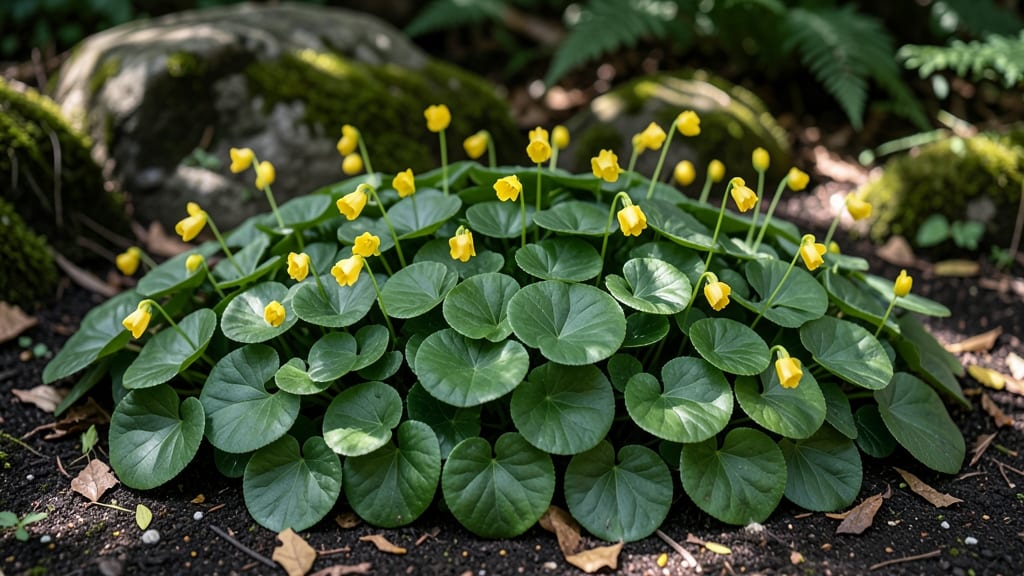
Shady spots in your garden don’t have to mean bare soil and weeds—low-maintenance ground cover for shade transforms them into lush, evergreen carpets that outsmart weeds naturally. 🌿 I’ve tested the best spreaders over years of neglecting my own garden (yes, really), and these plants thrive where others fail.
The secret? Choosing shade-tolerant, aggressive-but-not-invasive plants that spread quickly but stay contained.
Think of ajuga with its purple spikes and silver foliage, or creeping phlox that blankets the ground in spring blooms. Hostas and ferns add texture, while pachysandra stays evergreen and nearly indestructible.
These plants need minimal water once established, no fertilizing, and zero fuss—just sunlight filtered through trees or dappled shade. The key is spacing them 12-18 inches apart so they fill in without competing for resources.
By mid-summer, you’ll have a dense, weed-blocking layer that stays vibrant year-round. No more weeding, no more patchy soil—just a self-sustaining green mat that looks intentional and requires almost no effort. The best part? These plants handle foot traffic, so you can walk right over them without damage.
Perfect for under trees, along foundations, or in shady borders where grass won’t grow. Let’s pick the right plants for your space and get them planted before weeds take over for good.
📚 In This Guide
- What you need
- Instructions
- Tips and common mistakes
- Wrapping up and next steps
What you need
- ● Low-maintenance shade-tolerant ground cover plants: 10–20 plants of Ajuga reptans (Bugleweed) or Lamium maculatum (Spotted Dead Nettle) per 10 sq ft
- ● 5–10 plants of Helleborus spp. (Hellebore) or Galium odoratum (Sweet Woodruff) per 10 sq ft
- ● 1–2 plants of Pachysandra terminalis (Japanese Pachysandra) per 5 sq ft (spreading variety)
- ● High-quality mulch: 2–3 inches of shredded hardwood or pine bark mulch (1 cubic yard covers ~100 sq ft)
- ○ Compost or well-aged manure: 1–2 inches mixed into the top 6 inches of soil (optional but recommended for nutrient boost)
- ● Garden gloves (1 pair) – for comfort and protection
- ● Hand trowel or transplanting spade (1–2 units) – for digging and planting
- ● Garden rake (1) – for leveling soil and removing debris
- ● Hose with spray nozzle or watering can (1) – for post-planting hydration
- ● Measuring tape (1) – to mark out planting areas
- ○ Pruners (optional) – for trimming leggy stems before planting
- ○ Test your soil’s pH (optional but helpful) – most shade plants prefer 6.0–7.0.
- ● Clear the area of weeds (focus on roots to prevent regrowth).
- ● Water the planting area 24 hours before installation for easier transplanting.
- ● Choose a partially to fully shaded spot (dappled light to no direct sun).
Step-by-Step guide to planting low-maintenance shade-loving ground cover
Here’s how to create a lush, weed-blocking carpet that thrives under trees and in shady spots.
🌱 Step 1: Select the Right Plants for Your Shade Conditions
Not all shade is equal—deep shade (under dense canopies) needs plants like Hosta, Liriope, or Ajuga, while partial shade (4-6 hours of dappled light) handles Sweet Woodruff or Creeping Phlox. I always check my space first: if the ground stays dry, go for drought-tolerant options like Creeping Thyme. If it stays moist, Pachysandra or Ferns are perfect.
Buy bare-root plants in early spring or container-grown anytime. I avoid bedding plants—they’re often overpriced and stressed. Instead, I look for healthy, established roots with green foliage (no yellowing). This ensures they’ll spread quickly and outcompete weeds from day one.
🪴 Step 2: Prepare the Soil for Optimal Growth
Clear existing weeds and debris—pull them by hand (don’t till, or you’ll bring weed seeds to the surface). Amend the soil with 2-3 inches of compost mixed into the top 6 inches of soil. Shady spots often have compacted or acidic soil, so I add a handful of garden lime if my soil test shows pH below 6.0. Most shade-loving ground covers prefer slightly acidic to neutral soil (pH 6.0-7.0).
Rake the area smooth, then water deeply to settle the soil. The goal is loose, well-draining soil—if water pools, add sand or perlite to improve drainage. I like to test moisture by pressing my finger 1 inch deep: if it’s dry, it’s ready for planting.
🌿 Step 3: Plant in a Spaced Grid for Full Coverage
Space plants 12-18 inches apart—closer for fast-spreading types like Creeping Jenny (which fills gaps quickly) and 18-24 inches for slower growers like Hosta. Dig holes twice as wide as the root ball but no deeper—planting too deep suffocates roots. Gently loosen roots if they’re circling in the pot, then place the plant so the top of the root ball sits level with the soil surface. This prevents rot and ensures even growth.
Backfill with soil, pressing lightly to remove air pockets. Water immediately to help roots settle. I like to add a 1-inch layer of mulch (cypress or shredded bark) to retain moisture and suppress weeds—just keep it 2 inches away from stems to avoid rot.
☀️ Step 4: Water and Maintain for Weed-Free Spread
Keep soil evenly moist (not soggy) for the first 4-6 weeks—this encourages root establishment. After that, most shade ground covers tolerate dry spells once established. I water deeply once a week unless it rains, checking by sticking my finger 2 inches deep: if it’s dry, it’s time to water.
Let the plants fill in naturally—don’t rush to fill gaps. If weeds sneak through, pull them early before they seed. In 2-3 seasons, your ground cover will spread enough to block 90% of weeds on its own. I’ve seen Ajuga spread aggressively—so much so that I had to trim it back in one corner!
✂️ Step 5: Prune and Divide for Long-Term Health
In early spring, trim back any brown or leggy growth to encourage fresh, dense foliage. For clumping plants like Hosta, divide every 3-4 years when the center dies out. Dig up the plant, separate the root sections with a clean knife, and replant the healthiest pieces. Spreaders like Creeping Phlox don’t need dividing—they’ll fill in on their own.
Fertilize lightly in spring with balanced 10-10-10 (½ the recommended dose). Over-fertilizing leads to soft, weak growth that attracts pests. I skip fertilizer entirely for low-nutrient lovers like Sweet Woodruff—it thrives with minimal care and still outcompetes weeds.
Tips & tricks for perfect shade-loving ground cover
These game-changing insights will help you create a thriving, weed-blocking green carpet under your trees with minimal effort.
Plant Selection: Pay close attention to the 4-6 hours of dappled light distinction in Step 1—this determines which plants will thrive. For example, Sweet Woodruff handles partial shade beautifully but wilts in deep shade, while Ajuga thrives in both but spreads differently. I always test a small area first to confirm light conditions before committing to a full planting.
Soil Prep: The 2-3 inches of compost mixed into the top 6 inches of soil is non-negotiable for proper root development. If your soil is particularly compacted, consider renting a broadfork to aerate it before adding compost—this creates tiny channels for roots to grow into. For acidic soil (pH below 6.0), I've found that adding garden lime in early fall gives it time to fully integrate before planting.
Planting Strategy: When spacing plants 12-18 inches apart in Step 3, think about their mature spread. For example, Creeping Jenny will eventually reach 3 feet wide, so spacing them 12 inches apart ensures they'll fill gaps quickly. For Hosta, which stays more contained, the 18-24 inch spacing gives them room to grow without crowding. I always mark planting spots with stakes to visualize the mature layout before digging.
Long-Term Maintenance: The 2-3 seasons mentioned in Step 4 to achieve 90% weed suppression can feel like a long wait, but patience pays off. To speed things up slightly, I've found that planting Ajuga or Creeping Phlox in the center of your grid creates a "core" that spreads aggressively outward, filling gaps faster. Just be prepared to trim back any overenthusiastic spreaders!
Pro Tips for Low-Maintenance Ground Cover For Shade
- These game-changing insights will help you create a thriving, weed-blocking green carpet under your trees with minimal effort.
- Plant Selection: Pay close attention to the 4-6 hours of dappled light distinction in Step 1—this determines which plants will thrive.
- Soil Prep: The 2-3 inches of compost mixed into the top 6 inches of soil is non-negotiable for proper root development.
Frequently asked questions
Got questions about choosing and caring for low-maintenance ground cover in shady spots? You’re not alone! Here are some of the most common concerns—and straightforward answers—to help you pick the perfect shade-tolerant spreader for your garden.
What’s the fastest-spreading ground cover for full shade?
If you’re racing against weeds, Alum Root (Heuchera) and Creeping Jenny (Lysimachia nummularia) are top contenders, spreading 6–12 inches per year. For a denser, evergreen option, Sweet Woodruff (Galium odoratum) spreads aggressively (12+ inches/year) but stays low and lush. Pair it with Hosta for a two-layered weed-blocking strategy!
How long until shade ground cover fully covers the soil?
Most shade-tolerant ground covers take 1–2 seasons to fill in gaps completely, depending on spacing. Plant plugs 12–18 inches apart for faster coverage. Pachysandra and Lungwort (Pulmonaria) may take slightly longer (2 years) but reward you with vibrant foliage and minimal upkeep.
Can I plant ground cover under established trees without harming roots?
Stick to shallow-rooted options like Creeping Phlox or Ajuga, which won’t compete with tree roots. Avoid deep diggers like Ivy. Plant in a 2–3 foot wide band around the trunk (not directly against it) to protect roots while suppressing weeds.
What’s the best way to keep pests (like slugs or deer) from destroying my ground cover?
Slugs adore Hosta and Sweet Woodruff, but a few tricks help: Use copper tape around garden edges, apply diatomaceous earth (food-grade), or opt for slug-resistant picks like Ajuga or Lungwort. Deer? Go for Pachysandra or Creeping Thyme—they’re less appealing!
What if my ground cover stops spreading after a few years?
Slow growth often signals root-bound plugs or poor soil. Try dividing clumps every 3–4 years or top-dress with compost in early spring. If your shade is too dense (e.g., black walnut trees), supplement with a light layer of mulch (2–3 inches) to improve root health.
Do shade ground covers need extra watering?
Most thrive on regular moisture but hate soggy soil. Water deeply 1–2 times per week during dry spells, then taper off once established. Drought-tolerant picks like Creeping Phlox or Ajuga need even less once rooted—just monitor for wilting!
Wrapping up and next steps
Transforming your shady garden into a lush, weed-resistant paradise doesn’t have to be a chore! With the right low-maintenance ground cover, you can enjoy vibrant greenery year-round while keeping upkeep to a minimum.
Whether you opt for hardy Ajuga, resilient Hellebore, or spreading Liriope, these evergreen champions will outcompete weeds naturally and thrive in the shade.
Ready to take the next step? Pick your favorite plant, gather your supplies, and start planting—your future self (and your garden!) will thank you. 🌿✨