
Companion Plants
Zone 5 gardens often struggle with shady spots under trees, but these 10 shade-tolerant plants thrive where sunlight is scarce. Perfect for adding texture, color, and life to your woodland garden without competing with established roots.
Hostas for Year-Round Ground Cover

If you’ve ever stared at a shady patch under your trees and wondered what to plant there, hostas are your secret weapon. These hardy perennials thrive in deep shade, offering lush foliage in every shade of green, blue, and gold—plus some stunning variegated patterns that catch the light just right.
Hostas spread effortlessly, creating a dense, weed-suppressing ground cover that stays green all season long. They’re perfect for pollinator gardens too, as their foliage provides shelter for beneficial insects. For best results, plant in well-draining soil and water consistently until established—after that, they’re nearly indestructible. 💚
Japanese Painted Ferns with Lace-Like Fronds

When your shady garden feels like a forgotten corner, Japanese painted ferns transform it into a lush, textured masterpiece. Their silver-and-green fronds shimmer like lace in dappled light, creating a sophisticated look that outshines many shade plants struggling nearby.
These ferns thrive in moist, well-draining soil—ideal for woodland gardens or containers—where they spread gently without crowding. A Zone 5 hardy perennial, they tolerate humidity and even light frost, making them a reliable choice for year-round interest. Prune spent fronds in early spring to encourage fresh growth, and watch them bounce back with minimal effort.
Perfect for urban gardeners with limited space or those seeking a low-maintenance yet elegant addition, these ferns pair beautifully with hostas or astilbe. Their delicate beauty brings life to shady spots where few plants dare to grow. 🌿
Bleeding Heart Flowers for Spring Drama

If you crave a romantic, old-fashioned charm in your shade garden, bleeding heart flowers (Dicentra spectabilis) are your secret weapon. Their delicate, heart-shaped blooms cascade down arching stems in soft pink or white, creating a dreamy vertical display where sunlight barely reaches.
This spring-blooming perennial thrives in partial to full shade and prefers moist, well-draining soil—ideal for Zone 5’s cool, damp springs. Unlike many shade plants, bleeding hearts die back cleanly in summer, leaving no unsightly foliage to tidy. For best results, plant in early spring or fall, spacing stems 18-24 inches apart to allow their graceful habit to spread naturally.
Perfect for cottage-style gardens or woodland edges, these flowers bring early-season drama while requiring minimal care. Urban gardeners with limited space will love their compact size, and pollinators adore their nectar-rich blooms. 🌷
Heuchera Coral Bells for Vibrant Foliage

Looking for a bold, year-round splash of color that doesn’t require full sun? Heuchera Coral Bells deliver vibrant foliage in shades of purple, silver, or lime green that outshine most shade plants. These compact perennials thrive in rocky soil and even drought conditions, making them ideal for tough spots where other plants fail.
With over 150 cultivars to choose from, you can mix textures and colors for striking contrasts. Plant them in partial to full shade and water moderately—they dislike soggy soil but tolerate dry spells once established. Their low, mounding habit (12–24 inches tall) makes them perfect for edging shady borders or filling gaps under trees.
Urban gardeners and rock garden enthusiasts will love how Heuchera adds structure and color with almost no upkeep. Pair them with hostas or ferns for a layered, low-maintenance shade garden that stays vibrant all season. 💚
Astilbe Plumes for Airy Summer Blooms

Bring life to your still shade garden with astilbe, a perennial that dances with delicate, feathery plumes in soft pink, white, or fiery red. Unlike many shade plants that stand stiffly, astilbe’s airy blooms sway gently in the breeze, creating movement where sunlight barely reaches.
This Zone 5 hardy plant thrives in moist, well-draining soil—making it perfect for rain gardens or areas under trees where soil stays damp. Choose varieties like ‘Fanal’ for bold red plumes or ‘Deutschland’ for classic pink, and plant in groups for maximum impact. Deadhead spent blooms to encourage more flowers, and mulch to retain moisture. 🌻
Lungwort for Medicinal and Ornamental Value

Looking for a shade plant that does double duty—adding beauty and history to your garden? Lungwort (Pulmonaria spp.) delivers with its striking silver-spotted leaves and delicate blue flowers, making it a standout in woodland gardens.
This Zone 5-hardy perennial thrives in partial to full shade and attracts pollinators with its early spring blooms. Its unique foliage patterns create visual interest year-round, while its minimal self-seeding ensures natural diversity without becoming invasive. Plant in well-draining soil and water moderately—it’s drought-tolerant once established.
Perfect for cottage gardens, pollinator-friendly spaces, or historical-themed landscapes, lungwort brings both charm and practicality to shady corners. 🌿
Solomon’s Seal for Arching Elegance

Want to add vertical drama to your shade garden without the fuss? Solomon’s Seal (Polygonatum) delivers elegant, arching stems that dance in the breeze while producing clusters of dangling berries—nature’s own chandeliers. Unlike many shade plants, it thrives in dry conditions once established, making it perfect for tough spots under mature trees where moisture is scarce.
This Zone 5-hardy perennial offers seasonal interest year-round: fresh green foliage in spring, delicate white bell-shaped flowers in late spring, and glossy blue-black berries that persist into winter. Plant in partial to full shade with well-draining soil, and watch it spread slowly over time. Deer tend to avoid it, and its low-maintenance nature makes it ideal for gardeners who prefer "plant once, enjoy forever" solutions.
Perfect for cottage gardens, woodland edges, or as a focal point under trees, Solomon’s Seal brings effortless elegance with almost no upkeep. 🌱
Sweet Woodruff for Fragrant Ground Cover

Tired of barren soil under your trees where grass refuses to grow? Sweet woodruff (Galium odoratum) is the unsung hero of shade gardens, spreading effortlessly to create a fragrant, living carpet that outcompetes weeds while releasing a sweet hay-like scent when brushed. This low-growing perennial thrives in the dappled light beneath mature trees, making it ideal for filling those tricky gaps.
Plant sweet woodruff in partial to full shade with moist, well-draining soil—it’s happiest in woodland conditions. While it spreads quickly, it stays contained and won’t invade other areas. The delicate star-shaped white flowers appear in late spring, followed by seed heads that add winter interest. Mulch lightly to retain moisture and suppress weeds, and watch it transform bare spots into a fragrant, evergreen ground cover.
Perfect for cottage gardens, woodland edges, or containers, this plant is a low-maintenance solution that adds sensory delight without demanding attention. 🌿
Tiarella Foamflower for Early Spring Color

When your garden still looks dormant in early spring, tiarella foamflower bursts onto the scene with its delicate, frothy clusters of white or pink blooms—often appearing weeks before most perennials. This underrated gem thrives in the moist, acidic soil typical under trees, making it a perfect solution for shady, overlooked corners.
With its textured foliage and airy flower spikes (12–18 inches tall), tiarella adds both height and movement to woodland gardens. Plant in partial to full shade and keep soil consistently moist—it’s ideal for rain gardens or areas with natural mulch. Varieties like ‘Pink Skyrocket’ or ‘White Tower’ offer striking contrast against ferns or hostas.
Woodland gardeners and pollinator enthusiasts will love how tiarella attracts early-season bees while requiring almost no maintenance. Its springtime drama makes it a standout for container gardens or borders where you want color before summer’s heat arrives. 🌿
Dwarf Cultivar Japanese Maple for Shade Structure

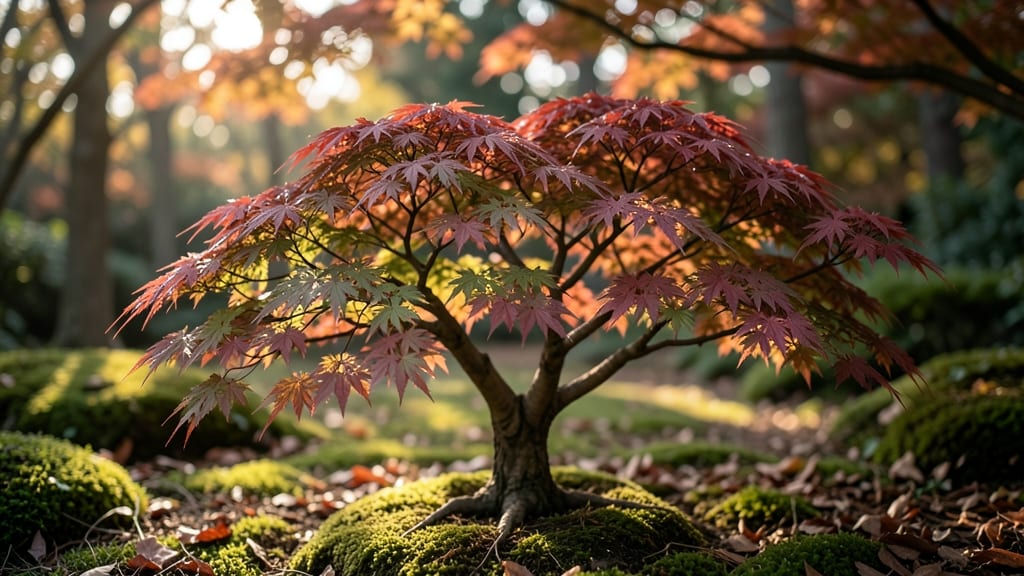
Ready to add a miniature tree with big personality to your shade garden? Dwarf cultivar Japanese maples like Acer palmatum 'Bloodgood' or 'Dragon Lady' bring year-round structure and color without dominating your space. Their delicate, lace-like foliage emerges in spring, shifts to vibrant reds and oranges in autumn, and even holds subtle hues in winter—all while thriving in partial shade where many plants struggle.
These compact trees (typically 6–10 feet tall) grow slowly, making them perfect for small gardens, containers, or as focal points under larger trees. They prefer well-draining, acidic soil and consistent moisture, but once established, they tolerate brief dry spells. Prune lightly in late winter to shape and remove dead branches, and watch them reward you with seasonal drama that outshines most shade perennials.
Ideal for urban gardeners with limited space or those seeking a low-maintenance yet elegant centerpiece, dwarf Japanese maples elevate any shady corner with timeless beauty. 🌟