
Companion Plants
Zone 6 gardeners know shade can be a challenge—but these cold-hardy plants prove low-light areas can be lush and vibrant. From fragrant blooms to bold foliage, these 10 shade-tolerant plants thrive in cooler climates without sacrificing beauty or resilience.
Hostas for Textured Foliage Variety

If your shady garden feels flat, hostas are the secret weapon for instant texture and drama. With over 100 cultivars—ranging from deep purples to chartreuse with white edges—these cold-hardy perennials transform dull corners into lush, architectural displays.
Hostas thrive in partial to full shade and handle Zone 6 winters with ease, making them ideal for understory planting. Their broad, wavy leaves create visual interest year-round, while some varieties even produce delicate summer blooms. For best results, amend soil with compost and mulch heavily to retain moisture, as slugs may target their tender foliage.
Perfect for beginners or busy gardeners, hostas require minimal care beyond occasional division every 3–4 years. Their versatility makes them a must-have for shady borders, woodland gardens, or even container plantings. 💚
Astilbe for Feathery Flower Spikes

If you crave airy, romantic blooms that dance in the breeze but dread fussy watering schedules, astilbe is your shade garden’s secret weapon. These feathery plumes in pink, white, or red thrive in dappled shade—where humidity lingers—and become surprisingly drought-tolerant once their roots establish.
Plant them in moist, well-draining soil enriched with compost, and they’ll reward you with 3–5 weeks of summer blooms that attract butterflies. Their clumping habit makes them perfect for containers (try a mixed pot with ferns) or cottage garden edges, where their soft texture contrasts beautifully with bold hostas or heucheras. For extra staying power, mulch heavily to retain moisture.
Urban gardeners and beginners will love how forgiving astilbe is—just avoid letting the soil dry out completely during their first year. With minimal care, these low-maintenance stars bring whimsy to shady spots without the fuss. 🌻
Hellebores for Early Spring Blooms

When your garden looks like a blank canvas in late winter, hellebores step in as the unsung heroes of early spring. Known as Lenten roses, these shade-loving perennials bloom from February through April, offering delicate flowers in white, pink, purple, or green when most plants are still dormant.
Thriving in partial to full shade, hellebores are perfect for woodland gardens, under trees, or along north-facing walls. Their leathery, evergreen foliage provides year-round interest, while their nodding blooms attract early pollinators like bees. Plant them in well-draining, moist soil enriched with compost, and mulch to retain moisture—ideal for Zone 6’s cooler springs.
Perfect for gardeners who crave color before summer, hellebores also deter deer and rabbits, making them a low-maintenance choice for shady spots. 🌱
Japanese Painted Fern for Year-Round Interest

If you crave a shade plant that delivers drama without the fuss, Japanese painted fern is your secret weapon. Its silvery-green fronds with burgundy stems create a striking contrast that keeps your garden looking vibrant even in winter's dormancy.
This year-round performer thrives in moist, acidic soil—ideal for rain gardens, pond edges, or under evergreens where other plants struggle. Its delicate lace-like foliage adds texture while requiring minimal care, making it perfect for beginners or busy gardeners. Just keep the soil consistently damp (but not soggy) for best results.
Urban gardeners with limited space will love how this fern pairs beautifully with hostas or astilbe, creating a lush, layered look. It's the ultimate low-maintenance star for deep shade spots. 🌿
Bleeding Heart for Graceful Arches

If you crave romantic, cottage-garden charm in your shady spots, bleeding heart (Dicentra spectabilis) delivers with its iconic heart-shaped blooms that seem to dangle from graceful, arching stems. Unlike many shade plants, it offers both season-long foliage interest and a stunning spring-to-summer floral display, making it a standout performer in partially shaded perennials beds.
This Zone 6-hardy perennial thrives in moist, well-draining soil with morning sun and afternoon shade, producing cascading clusters of pink or white flowers that contrast beautifully with its fern-like foliage. For best results, plant in spring after the last frost—it’s sensitive to heat and may go dormant in summer, so mulch heavily to protect roots. Deadhead spent blooms to encourage a second flush of flowers, and divide clumps every 3-4 years to maintain vigor.
Perfect for gardeners who love dramatic vertical accents without the maintenance of trellises, bleeding heart pairs beautifully with hostas, ferns, and hellebores. Beginners will appreciate its forgiving nature, while experienced gardeners can use it to create whimsical woodland garden focal points. 🌷
Coral Bells for Vibrant Foliage and Flowers

If you’ve ever struggled to find plants that thrive in rocky soil or containers where most shade plants wilt, coral bells (Heuchera) are your game-changer. These perennials deliver striking foliage in shades of purple, silver, or lime-green, plus delicate flowers that add unexpected charm to shady spots.
Coral bells excel in Zone 6’s cooler climates, tolerating partial to full shade and even dry conditions once established. Their compact size (12–18 inches tall) makes them perfect for borders, containers, or tucked between stepping stones. Varieties like ‘Palace Purple’ or ‘Lime Rickey’ offer bold color year-round, with flowers appearing in late spring to summer.
Urban gardeners and small-space growers will love how coral bells brighten tight areas without needing much room. Plus, they’re deer-resistant—ideal for problem-prone gardens. 🌿
Lungwort for Medicinal and Ornamental Value

Looking for a shade plant that doubles as a pollinator magnet and deer deterrent? Lungwort (Pulmonaria) is your answer—a versatile perennial with silver-spotted leaves that transform to green in spring and clusters of blue-purple flowers that bloom early, feeding bees when few other plants are in season.
This hardy plant thrives in partial to full shade and tolerates Zone 6’s winters with ease, making it perfect for cottage gardens, herb spirals, or as ground cover under trees. Its medicinal history (used traditionally for respiratory health) adds bonus intrigue, while its deer-resistant foliage makes it a low-stress choice for problem-prone areas. Simply keep soil moist but well-draining, and it’ll reward you with year-round interest.
Ideal for gardeners who want multi-functional plants, lungwort pairs beautifully with hostas or ferns while requiring minimal care. Its unique foliage and early blooms make it a standout in any shade garden. ✨
Solomon’s Seal for Elegant Arching Stems

Looking to add vertical drama to your shady garden without the fuss of trellises? Solomon’s seal (Polygonatum) delivers with its arching, wand-like stems that dangle clusters of bell-shaped white flowers—like nature’s own chandeliers. This graceful perennial thrives in partial to full shade, making it perfect for woodland gardens or as a focal point under trees.
With glossy, lance-shaped leaves that create a lush backdrop, Solomon’s seal blooms in late spring to early summer, followed by edible blue-black berries that birds adore. It’s deer-resistant and handles Zone 6 winters with ease, though it prefers moist, well-draining soil. For best results, plant in spring or fall and mulch to retain moisture—avoid overwatering once established, as it’s surprisingly drought-tolerant.
Woodland gardeners and cottage-style enthusiasts will love how this plant softens hard edges while adding movement to shady spots. Its low-maintenance nature makes it ideal for busy gardeners, and its year-round interest (even when dormant) ensures your garden stays elegant all season. 💚
Sweet Woodruff for Fragrant Ground Cover

Tired of battling weeds in your shady garden corners? Sweet woodruff spreads like a living carpet while filling the air with a sweet, vanilla-like scent when brushed—nature’s own air freshener for your garden paths and rockeries.
This hardy ground cover thrives in dry, shady spots where most plants struggle, making it perfect for under shrubs, along fences, or between stepping stones. Its delicate white star-shaped flowers appear in late spring, followed by seed heads that add winter interest. Simply plant crowns 12 inches apart in well-draining soil, and let it self-seed to create a lush, weed-suppressing mat that requires almost no maintenance.
Ideal for cottage gardens, woodland edges, or even as a living mulch, sweet woodruff is a fragrant solution for gardeners who want beauty without the upkeep. 🌿
Foxglove for Towering Height and Drama

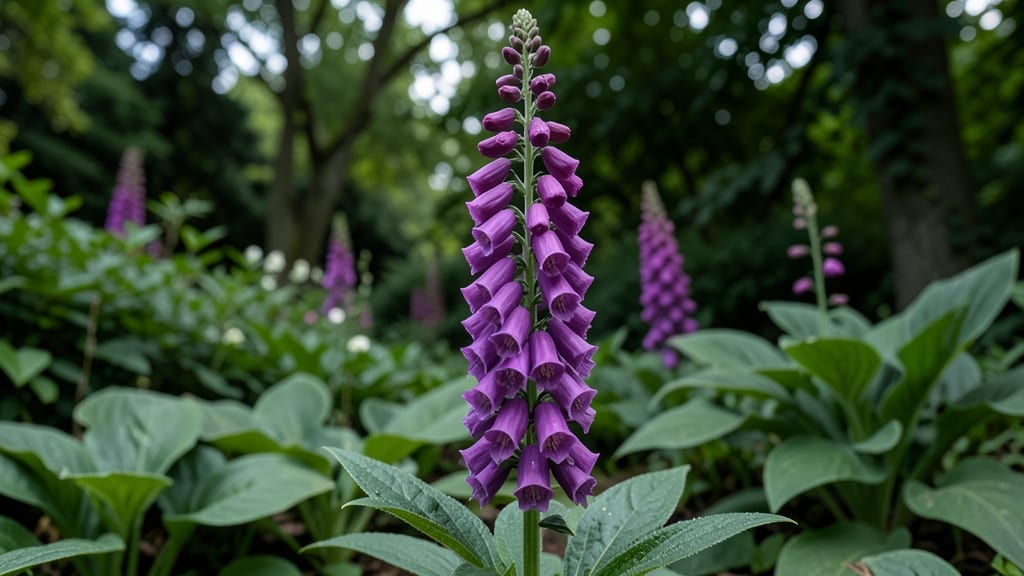
When your shade garden feels flat and lacks height, foxglove (Digitalis purpurea) swoops in like a tall, dramatic star. This biennial produces spikes of bell-shaped purple flowers reaching 4–5 feet tall, creating instant vertical interest that contrasts beautifully with shorter perennials like hostas or ferns.
Foxglove thrives in partial to full shade, making it perfect for Zone 6’s cooler climates where sunlight is scarce. Plant seeds in early fall for a summer bloom the following year, or buy established plants in spring. Its moisture-loving roots prefer well-draining soil, and deadheading spent blooms encourages a second flush of flowers. Just be cautious—foxglove contains cardiac glycosides, so wear gloves when handling.
Gardeners who love bold focal points will adore how foxglove anchors shady borders or woodland gardens. It’s ideal for cottage-style plantings or as a backdrop for shorter perennials, adding height without needing trellises. Just remember: foxglove self-seeds prolifically, so you may need to thin seedlings for a tidy look. 🌟