
Companion Plants
Zone 5 gardeners know sunlight can be scarce, but that doesn’t mean your garden has to be dull. These 10 shade-loving plants thrive in cool climates, offering year-round color, texture, and even edible rewards—without demanding full sun.
Hostas for Year-Round Ground Cover

If you’re looking for a shade plant that’s as tough as it is beautiful, hostas are your secret weapon. These cold-hardy perennials thrive in Zone 5’s cool, shady spots, delivering year-round ground cover with their bold foliage in every shade imaginable—from deep blues to golden variegated patterns.
Hostas are the ultimate low-maintenance workhorses: they tolerate partial to full shade, need minimal watering once established, and even deter deer with their strong scent. Plant them in moist, well-draining soil enriched with compost, and watch them spread into lush carpets that suppress weeds naturally. For extra drama, mix varieties like ‘Blue Angel’ or ‘Halcyon’ for striking contrast.
Perfect for beginners or busy gardeners, hostas add instant texture and color to borders, woodland gardens, or even containers. Their versatility makes them a must-have for any shade garden. 🌿
Astilbe for Feathery Summer Blooms

Tired of shade gardens that feel flat and forgettable? Astilbe transforms dull corners into dreamy, romantic displays with its feathery plumes that sway in the breeze. Unlike sun-loving perennials, this plant thrives in partial shade (2-6 hours of light)—making it ideal for under trees or north-facing beds.
Choose from pink, white, or red blooms—each variety reaches 1-3 feet tall, perfect for cottage-style borders or woodland gardens. The secret to their success? Moist, well-draining soil—they’ll reward you with prolific blooms from midsummer to fall. Deadhead spent flowers to encourage more growth, and mulch heavily in winter to protect their roots in Zone 5’s cold snaps.
This is the go-to plant for gardeners who love textural contrast—pair it with ferns or hostas for a lush, layered look. Beginners adore it for its forgiving nature and year-after-year reliability. 🌷
Hellebores for Early Winter Color

When your garden looks like a blank canvas in late winter, hellebores step in as the unsung heroes—blooming when most perennials are still dormant. These evergreen perennials defy the cold, offering nodding flowers in white, pink, or deep purple that brighten shady corners from February through April.
Plant them in partial to full shade with well-draining, slightly acidic soil. Mulch heavily in winter to protect roots from freeze-thaw cycles, and deadhead spent blooms to encourage more flowers. Hellebores thrive in Zone 5’s harsh winters and reward patience with year-round foliage that stays attractive even after blooms fade.
Perfect for gardeners who want low-maintenance color without summer sun demands, hellebores also deter deer and deer ticks—making them a practical choice for rural or suburban shade gardens. 🌷
Ferns for Textured Shade Gardens

Want a shade garden that feels lush and dynamic without constant watering? Ferns like maidenhair and ostrich fern deliver architectural drama while surviving dry spells once established. Their delicate fronds create movement and texture that no flat-leaved plant can match—even in deep shade.
These drought-tolerant perennials thrive in shady, humid conditions (think woodland edges or under trees) and prefer well-draining, slightly acidic soil. Water regularly during their first year to help roots establish, then reduce to occasional deep waterings. For maximum impact, plant maidenhair fern near water features or along pathways where its cascading habit can be appreciated.
Perfect for gardeners who love low-maintenance elegance, ferns pair beautifully with hostas and astilbes. They also add vertical interest to containers or rock gardens. Once settled, they’ll reward you with year-round greenery that stays vibrant even when other shade plants fade. 🌿
Bleeding Heart for Romantic Spring Displays

Craving a spring garden that feels like a fairytale? Bleeding heart (Dicentra spectabilis) delivers dreamy, heart-shaped blooms in soft pink or white that cascade like waterfalls from graceful arching stems. This Zone 5 superstar thrives in dappled shade or woodland gardens, where it becomes the star of early-season displays—often blooming before most perennials even wake up.
Plant bleeding heart in moist, well-draining soil enriched with organic matter, and give it partial to full shade (it wilts in hot sun). The secret to its longevity? Divide clumps every 3-4 years in early fall to prevent overcrowding. For maximum drama, pair it with hostas or ferns—their lush foliage will complement the delicate blooms perfectly. While it’s not the longest-lived perennial (typically 5-7 years), its springtime spectacle makes it worth the temporary commitment.
This is the perfect choice for gardeners who love romantic, layered shade gardens—it’s especially stunning when planted along pathways or beneath trees. Just be prepared to say goodbye to its blooms by midsummer, as the plant goes dormant until next spring. 🌷
Japanese Painted Fern for Unique Foliage

Looking for a shade plant that adds visual drama without demanding full sun? The Japanese painted fern (Athyrium niponicum var. pictum) brings striking contrast to your garden with its silvery-blue and deep green fronds, creating a mesmerizing pattern that catches the light in dappled shade.
This compact perennial thrives in partial to full shade and tolerates a wide range of soil types, though it prefers moist, well-draining conditions. Its clumping habit (reaching 12-18 inches tall) makes it perfect for containers, borders, or woodland gardens, where it pairs beautifully with hostas or hellebores. Mulch in winter to protect its roots from Zone 5’s freeze-thaw cycles.
Ideal for gardeners who love textural interest with minimal effort, this fern stays lush year-round and even adds subtle movement in gentle breezes. It’s the secret weapon for transforming dull shade spots into eye-catching focal points. ✨
Coral Bells for Long-Lasting Color

Looking for a shade plant that delivers year-round visual interest without needing full sun? Coral bells (Heuchera) are the answer—these versatile perennials offer vibrant foliage in purple, silver, or lime green, plus delicate flowers that attract pollinators from spring to fall.
Thriving in partial shade (3-6 hours of light), coral bells adapt to almost any soil type, though they prefer well-draining conditions. Their compact growth (12-18 inches tall) makes them perfect for borders, containers, or rock gardens. Varieties like ‘Palace Purple’ or ‘Lime Rickey’ provide bold color contrasts, while their airy flower spikes add height and movement.
Ideal for urban gardeners or small-space gardeners, coral bells require minimal care—just water occasionally and mulch to retain moisture. Their long-lasting foliage ensures your shade garden stays vibrant even when other plants fade. 💚
Lungwort for Medicinal and Ornamental Value

Looking for a shade plant that’s as useful as it is beautiful? Lungwort (Pulmonaria) combines striking spotted foliage with delicate blue flowers, making it a standout in woodland gardens and partial shade spots. Unlike many perennials, it thrives in Zone 5’s cooler climates, offering early spring blooms when few other plants are in season.
This hardy perennial tolerates dry shade once established and prefers moist, well-draining soil enriched with organic matter. Its silver-spotted leaves (that fade to green as summer progresses) provide year-round interest, while clusters of blue or pink flowers attract pollinators. Lungwort also has a historical medicinal reputation, historically used for respiratory ailments—though modern gardeners grow it primarily for its ornamental charm.
Perfect for woodland gardens, borders, or containers, lungwort pairs beautifully with ferns and hellebores. It’s especially rewarding for gardeners who love low-maintenance plants with dual purpose—both beauty and a touch of herbal intrigue. 💚
Solomon’s Seal for Elegant Arching Stems

Want a shade plant that adds vertical elegance without the fuss of trellises? Solomon’s seal (Polygonatum) delivers arching, graceful stems topped with dangling white or pink bell-shaped flowers, creating a natural curtain effect in layered shade gardens. Unlike sun-hungry perennials, this drought-tolerant beauty thrives in partial to full shade, making it perfect for understory plantings or woodland edges.
Plant Solomon’s seal in moist, well-draining soil enriched with compost, and give it space to spread—its rhizomes slowly expand into clumping colonies over time. The glossy, lance-shaped leaves provide year-round interest, while its late spring to early summer blooms attract hummingbirds. A bonus? It’s deer-resistant, so you won’t need fences to protect your investment. For maximum drama, pair it with hostas or ferns to create a lush, multi-layered shade garden.
This is the ideal choice for gardeners who love low-maintenance structure—once established, it requires minimal care and rewards you with season-long interest. Perfect for borders, containers, or even as a living privacy screen in shady spots. 🌱
Edible Chives for Shady Herb Gardens

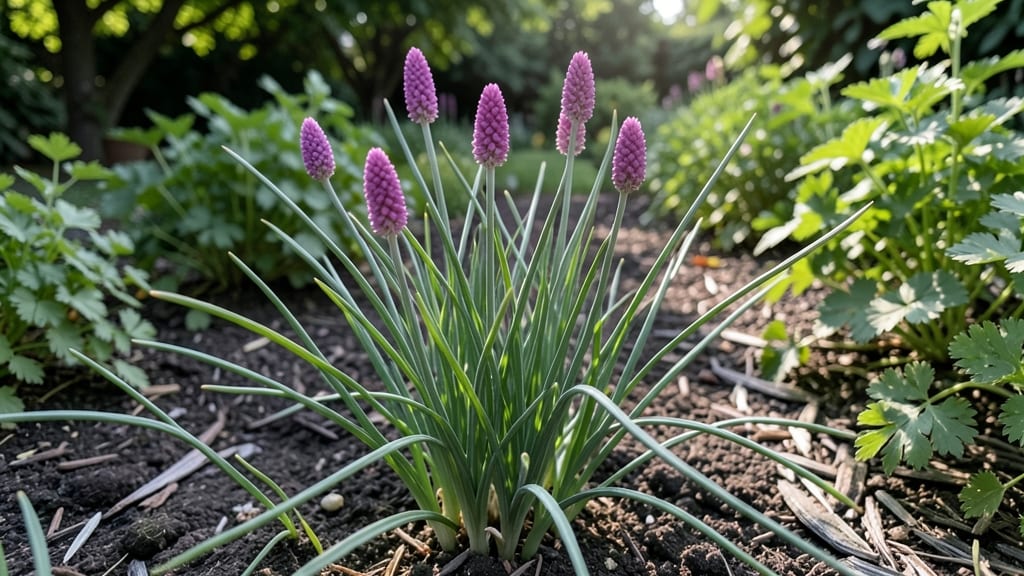
Want to grow fresh green onions without sacrificing shade garden space? Chives are the ultimate two-for-one plant—adding height and edible rewards to your shady herb beds while surviving Zone 5 winters with ease. Their purple blooms and slender grass-like leaves also create vertical interest that brightens dark corners.
Plant chives in partial shade (3-6 hours of sun) with well-draining soil, and they’ll reward you with year-round harvests—simply snip leaves as needed without harming the plant. For maximum cold hardiness, mulch in winter to protect roots from freeze-thaw cycles. Varieties like ‘Garlic Chives’ add a mild onion-garlic flavor, while ‘Common Chives’ are the classic choice for salads and soups.
Perfect for urban gardeners, container growers, or herb lovers, chives thrive in raised beds, window boxes, or even cracked pavement—making them the ideal shade-tolerant herb for small spaces. Their perennial nature means no replanting, just endless fresh flavor. 🌱