
Plants
North-facing gardens often struggle with limited sunlight, but these 10 semi-shade flowering plants thrive in partial shade while delivering vibrant blooms throughout the year. Perfect for adding color to your garden without sacrificing plant health.
Bleeding Heart Blooms in Spring Shade

Transform your shady garden corners into a romantic woodland retreat with bleeding heart (Dicentra spectabilis). This dreamy perennial thrives in partial to full shade and produces clusters of heart-shaped blooms in soft pink or white, creating a whimsical focal point from late spring through summer.
Plant Dicentra spectabilis in rich, moist, well-draining soil—it loves the dappled light beneath trees or along north-facing walls. Mulch around the base to retain moisture and suppress weeds, as these plants prefer consistent humidity. Deadhead spent blooms to encourage a second flush of flowers, and divide clumps every 3-4 years to maintain vigor.
Perfect for cottage gardens, fairy-tale-inspired landscapes, or even container gardens, bleeding heart adds vertical interest and delicate charm without demanding full sun. Its airy foliage also makes it an excellent companion for ferns and hostas. 🌷
Hosta Varieties with Stunning Flower Spikes

While hostas are famous for their lush foliage, their tall, airy flower spikes in lavender, white, or purple often steal the show—especially in shady borders where other plants struggle to bloom. These elegant spikes can reach 2-4 feet tall, adding vertical interest without requiring full sun.
Look for varieties like 'Halcyon' (lavender blooms) or 'Royal Standard' (white), which thrive in partial shade** and produce flowers that attract pollinators. Deadhead spent blooms to encourage more spikes, and enjoy their late-summer to early-fall display—perfect for cutting gardens or mixed borders.
This low-maintenance feature makes hostas ideal for gardeners who want height and texture without the fuss of high-maintenance perennials. 🌻
Impatiens for Continuous Summer Color

When you need instant summer color without the fuss of full-sun plants, impatiens are your secret weapon. These cheerful annuals burst into bloom within weeks of planting, filling containers and window boxes with non-stop flowers in fiery red, soft pink, or sunny orange—perfect for brightening shady patios or under trees.
Unlike their finicky relatives, impatiens thrive in partial shade (2-6 hours of sun), making them ideal for north-facing gardens or spots where other flowers struggle. Keep the soil consistently moist (they hate drying out!) and deadhead spent blooms to encourage even more flowers. For maximum impact, mix varieties—tall types for back-of-bed drama and trailing types for cascading containers.
Urban gardeners and balcony growers love impatiens because they’re low-maintenance yet high-impact, delivering year-round color if planted in spring and fall. Just remember: they’re tender annuals, so protect them from late frosts. 🌻
Astilbe Plumes in Soft Pastel Tones

If your garden has moist, shady spots that feel forgotten, astilbe is your secret weapon for soft, ethereal blooms. These feathery plumes in blush pink, white, or deep red transform dappled shade into a dreamy oasis—ideal for woodland edges or pondside plantings where other flowers struggle.
Thriving in 3-6 hours of morning sun, astilbes love consistently damp soil (think mulched beds or near water features). Their late-spring to summer blooms last weeks, and their lacy foliage stays attractive even after flowering. For best results, pair them with ferns or hostas to create a layered, romantic shade garden.
Perfect for beginner gardeners or those with moisture-retentive spaces, astilbes bring effortless elegance with minimal fuss. Their airy texture softens harsh lines in shade gardens while attracting pollinators. 🌷
Foxgloves for Tall, Dramatic Blooms

Ready to add dramatic height to your shady garden without sacrificing blooms? Foxgloves (Digitalis purpurea) are nature’s answer—towering spikes of bell-shaped flowers in purple, white, or spotted patterns that catch hummingbirds and bees with their nectar-rich blooms.
These biennials or perennials thrive in partial shade (3-6 hours of sun) and prefer well-draining, slightly alkaline soil. Plant seeds in early spring or fall—first-year foliage builds roots, while second-year plants reward you with 3-5 foot tall flower stalks that bloom from mid-summer into fall. For perennial varieties like Digitalis grandiflora, divide clumps every 3-4 years to prevent overcrowding.
Perfect for cutting gardens, pollinator-friendly borders, or cottage-style plantings, foxgloves bring old-world charm with minimal effort. Just avoid overwatering—their rosettes can rot in soggy soil. 🌟
Heuchera Coral Bells with Foliage First

Looking for a shade-loving plant that delivers year-round visual interest without relying on flashy blooms? Meet heuchera (Coral Bells), a foliage superstar with leaves in purple, silver, or lime green that shine even in low light. While its delicate flower spikes in late spring add subtle texture, the real magic happens with its colorful, textured leaves that keep your garden vibrant from spring through fall.
Thriving in partial to full shade, heuchera adapts to almost any well-draining soil—even rocky or sandy beds—making it perfect for urban gardens, containers, or under trees. Choose compact varieties like 'Palace Purple' for containers or larger types like 'Lime Rickey' for ground cover. Mulch with gravel or bark to protect leaves from slugs and retain moisture, as consistent watering (but not soggy soil) keeps foliage lush and vibrant.
This versatile plant is ideal for modern gardens, rockeries, or mixed borders, offering low-maintenance color that pairs beautifully with ferns, hostas, or astilbes. Whether you're a beginner or a seasoned gardener, heuchera delivers four-season interest with almost no effort. 💚
Japanese Anemones for Late-Season Blooms

When your garden seems to fade as summer winds down, Japanese anemones (Anemone hupehensis) step in as the unsung hero of late-season color. These graceful perennials burst into bloom from mid-to-late summer, offering soft pink or pristine white flowers that dance in the breeze—just when many other plants are calling it quits.
Thriving in partial shade (3-6 hours of sun), Japanese anemones prefer moist, well-draining soil and make stunning companions for ferns, hostas, or astilbes. Their 3-4 foot tall stems add vertical drama, while their single, papery petals create a dreamy, almost ethereal effect. For best results, plant in early spring and deadhead spent blooms to encourage a second flush of flowers. These plants also attract butterflies, adding extra life to your garden.
Perfect for gardeners who want effortless late-season beauty, Japanese anemones bring a touch of elegance to shady corners while requiring minimal care. Their long bloom time makes them a standout for cutting gardens or mixed borders. 🌷
Lungwort for Unique Spotted Leaves

Looking for a two-season showstopper that thrives in dappled shade? Lungwort (Pulmonaria spp.) delivers silver-spotted foliage that transitions to green as spring arrives, plus clusters of delicate blue or purple flowers that appear before most perennials—starting as early as February in mild climates.
This hardy perennial excels in woodland gardens where moisture lingers, making it ideal for spots under trees or along north-facing foundations. Plant in well-draining but consistently moist soil (mulch helps retain humidity), and watch as its airy flower spikes attract early pollinators like bees. Unlike many shade plants, lungwort handles light frosts and even dry spells once established, making it one of the most resilient choices for challenging spaces.
Perfect for beginner gardeners or those seeking low-maintenance texture, lungwort pairs beautifully with ferns and hellebores while adding year-round interest—its spotted leaves remain attractive even after flowering. 💚
Sweet Woodruff for Fragrant Ground Cover

Want to turn your shady garden into a fragrant sanctuary that doubles as a pollinator magnet? Sweet woodruff (Galium odoratum) is your secret weapon—a delicate, spreading perennial that thrives in deep shade while filling the air with a sweet, hay-like scent when crushed. Unlike other shade plants, it doesn’t just look pretty; it actively invites beneficial insects like bees and hoverflies with its tiny white star-shaped flowers that bloom in late spring.
This low-growing ground cover spreads gently to form a lush carpet, making it perfect for filling gaps between taller plants, under trees, or along shady pathways. It prefers moist, well-draining soil and minimal care—just keep it consistently watered the first year to establish roots. For best results, pair it with ferns or lungwort to create a woodland-inspired understory that stays fragrant all season long.
Ideal for gardeners who love low-maintenance yet sensory-rich plants, sweet woodruff is especially magical in cottage gardens or containers where its scent can be enjoyed up close. Plus, its ability to thrive in full to partial shade makes it one of the most versatile ground covers for tricky spots. 🌿
Toad Lilies for Bold, Tropical Vibes

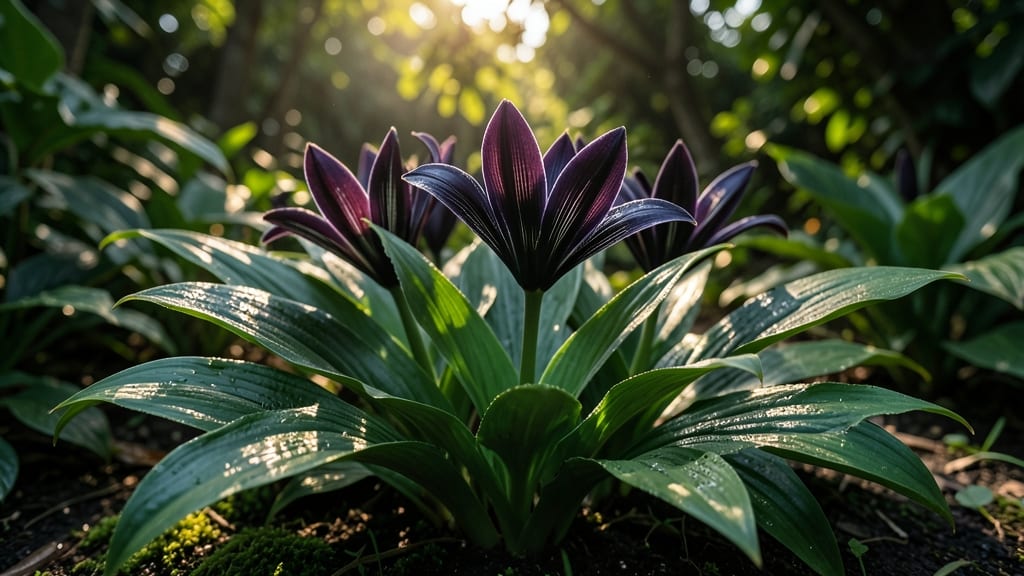
Want to inject a touch of the exotic into your shady garden without the high-maintenance fuss? Toad lilies (Tricyrtis spp.) deliver dramatic, almost purple-black blooms that look like they belong in a tropical rainforest—yet they thrive in partial shade (3-6 hours of sun). Their glossy, deep green leaves add year-round texture, making them a standout even when not in bloom.
These hardy perennials prefer moist, well-draining soil and multiply over time, creating lush clumps that spread gently. For best results, plant them in containers or mixed borders where their bold foliage and striking flowers can take center stage. Varieties like Tricyrtis hirta bloom in late summer to fall, while Tricyrtis macropoda offers earlier flowers. Pair them with ferns or hostas to create a layered, jungle-like effect in your shade garden.
Perfect for gardeners who love dramatic foliage and unique flowers, toad lilies are ideal for containers on patios or as focal points in shaded borders. Their low-maintenance nature and tropical aesthetic** make them a must-have for adding visual intrigue to any semi-shade spot. 💚