
Shrubs
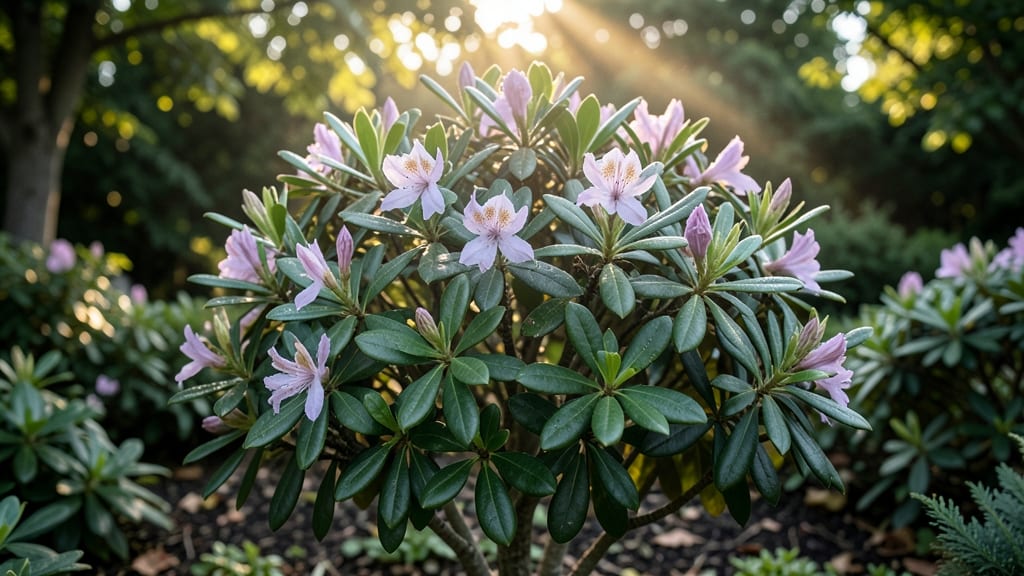
Zone 6 gardeners can still enjoy vibrant, fragrant blooms in shady spots with these pollinator-friendly flowering bushes. These shade-loving plants thrive in partial to full shade, offering year-round interest and supporting local ecosystems.
Dwarf Fothergilla with Fragrant Spring Blossoms

If you love the idea of a fragrant, pollinator-friendly shrub that won’t overwhelm your small garden, dwarf fothergilla (Fothergilla gardenii) is your perfect match. This compact beauty stays between 3-5 feet tall, making it ideal for containers, foundation plantings, or tight borders while still delivering stunning bottlebrush-like flowers in early spring.
The real magic happens when these clusters of white blooms open, releasing a sweet vanilla-like scent that draws bees and butterflies from the moment they emerge in late April or early May. Unlike many shade plants, dwarf fothergilla also puts on a spectacular fall show with foliage that turns fiery shades of orange and red. It thrives in partial to full shade and tolerates a wide range of soils, though it prefers moist, well-drained conditions.
This versatile shrub is especially great for urban gardeners or those with limited space who still want year-round interest. Plant it near patios or walkways to enjoy its fragrance up close while supporting local pollinators early in the season. 🌱
Japanese Pieris for Early Season Pollinator Support

When bees wake up hungry in early spring, Japanese Pieris is often the first buffet table ready for them. This shade-loving shrub bursts into bloom between March and April, long before most garden plants even think about flowering, making it a lifeline for pollinators emerging from winter.
Its urn-shaped pinkish-white flowers dangle in clusters, packed with nectar that fuels bees during their most critical foraging window. Thriving in acidic, well-draining soil—common in Zone 6 woodlands—it also handles partial shade beautifully. For best results, plant in moist but not soggy soil and avoid heavy pruning to preserve next year's blooms.
Perfect for gardeners with acidic soil or woodland gardens, Japanese Pieris delivers both beauty and ecological value with minimal fuss. 🌱
Oakleaf Hydrangea with Long-Lasting Summer Blooms

If you love layered shade gardens that feel like a lush woodland retreat, oakleaf hydrangea is your secret weapon. Its distinctive oak-shaped leaves and large, showy blooms create drama while requiring minimal maintenance—perfect for Zone 6’s partial to full shade conditions.
This hydrangea stands out with flower clusters that start white and blush to pink as summer progresses, then rebloom in fall. The ruffled, lobed leaves add texture year-round, and its pollinator-friendly blooms support bees and butterflies from June through October. Plant it where it can cast dappled shade, like under taller trees or along foundations.
Ideal for gardeners who want low-maintenance structure with seasonal color, oakleaf hydrangea thrives in moist, well-draining soil and handles humidity well. It’s the perfect backdrop for perennials or ground covers, bringing effortless elegance to any shade garden. ✨
Inkberry Holly for Evergreen Structure and Winter Interest

If you're looking for a low-maintenance evergreen that keeps your shade garden looking lush year-round, inkberry holly (Ilex glabra) is your secret weapon. Unlike many shade plants that lose interest in winter, this native shrub delivers glossy dark green leaves that stay vibrant even under the snow, while its subtle texture adds structure to dark corners.
In spring, small white flowers appear, attracting early pollinators like bees and butterflies before developing into dark purple berries that persist through winter, feeding birds when food is scarce. It thrives in Zone 6's partial to full shade, tolerates moist or dry soil, and handles urban pollution—making it ideal for city gardens or woodland edges. Prune lightly in late winter to maintain shape.
Perfect for gardeners who want year-round color and wildlife support without fuss, inkberry holly is especially valuable in small spaces where traditional evergreens might overwhelm. 🌱
Mountain Laurel with Showy Spring Flowers

If your shade garden needs a bold statement in late spring, mountain laurel delivers with its dramatic clusters of pink or white bell-shaped flowers that hummingbirds and bees can't resist. Unlike many shade plants, this evergreen shrub offers both striking blooms and lush foliage, making it a standout performer from spring through winter.
The key to growing mountain laurel successfully in Zone 6 is replicating its native woodland habitat—plant it in acidic, well-draining soil with partial shade** (3-6 hours of sun). Its glossy, dark green leaves provide year-round texture, while the fragrant flowers in May-June provide critical nectar when few other plants are blooming. Prune lightly after flowering to maintain shape, and avoid overwatering to prevent root rot.
This versatile shrub is perfect for gardeners who want low-maintenance beauty with high ecological value. Whether planted as a specimen or in groups, mountain laurel adds vertical interest and seasonal drama to any shade garden. 🌻
Witch Hazel for Late Season Pollinator Nectar

While most shade plants call it quits by late fall, witch hazel (Hamamelis) throws a brilliant yellow flower party from October through February—making it a lifeline for pollinators when food is scarce. Its ribbon-like blooms stand out dramatically against bare branches, creating a striking winter focal point that no other shade shrub can match.
This hardy shrub thrives in Zone 6's partial shade (3-6 hours of sun) and tolerates a wide range of soils, though it prefers moist, well-drained conditions. Plant it where you can enjoy its fragrant blooms up close—the scent is especially noticeable on crisp winter days. Prune lightly after flowering to maintain shape, and avoid heavy cuts that remove next year's flower buds.
Perfect for gardeners who want to extend pollinator support into winter, witch hazel also adds year-round structure with its interesting exfoliating bark. It's especially valuable in woodland gardens or as a specimen plant where its late-season drama can be fully appreciated. 🌟
Carolina Silverbell with Delicate Bell Flowers

Transform your shady garden into a whimsical woodland wonderland with Carolina silverbell (Halesia carolina), a native shrub that drapes its branches like a fairy-tale canopy. Its delicate white bell flowers cascade in spring, creating a stunning vertical display that fills dark corners with ethereal beauty while luring hummingbirds and bees with their sweet nectar.
This understory gem thrives in partial to full shade and prefers moist, well-drained soil, making it perfect for woodland gardens or under tall trees. Unlike many shade plants, Carolina silverbell offers seasonal interest—its heart-shaped leaves emerge bright green in spring, turn golden-yellow in fall, and even produce small, edible (but bitter) fruits that birds occasionally snack on. For best results, plant in clusters to create a dramatic, cascading effect along foundations or near patios.
Ideal for gardeners who want romantic charm with low maintenance, this native shrub is especially valuable in Zone 6's humid summers and acidic soils. Its graceful habit makes it a standout choice for creating vertical interest in shady spots where few other plants bloom. 🌷
Dwarf Lilac for Compact Fragrance in Small Spaces

Bring the classic lilac fragrance to your small space without sacrificing garden real estate with dwarf lilac varieties like 'Miss Kim' or 'Little Leaf.' These compact shrubs top out at just 3-4 feet tall, making them perfect for urban gardens, courtyard planters, or tight foundation plantings where traditional lilacs would sprawl uncontrollably.
What makes dwarf lilac especially valuable for Zone 6 shade gardens is its ability to thrive in partial shade conditions (3-6 hours of sun) while still producing abundant clusters of purple blooms in late spring. The intoxicating scent draws bees and butterflies by the dozens, providing critical early-season nectar when few other plants are flowering. Simply prune lightly after blooming to maintain shape and encourage next year's flowers.
This is the ideal choice for gardeners who love nostalgic fragrance** but lack space for traditional shrubs. Plant near patios or walkways to enjoy the scent up close while supporting pollinators in your smallest garden corners. 🌷
Virginia Sweetspire for Hummingbird Magnet Flowers

Want a shade-loving shrub that doubles as a hummingbird magnet and fall foliage showstopper? Virginia sweetspire (Itea virginica) delivers both with its fragrant white summer blooms and vibrant orange-red fall leaves, making it a standout for pollinator gardens in Zone 6.
This native understory plant thrives in partial to full shade and tolerates a wide range of soils, though it prefers moist, well-drained conditions—ideal for woodland edges or understory plantings. The delicate, airy flower clusters appear in late spring to early summer, drawing hummingbirds and butterflies with their sweet scent, while its arching branches create natural movement in the garden. After blooming, the foliage transforms into a fiery display that lasts through autumn.
Perfect for gardeners who want low-maintenance beauty with extended seasonal interest, Virginia sweetspire is especially valuable in moist or woodland gardens where few other shrubs perform so reliably. Its adaptability and pollinator appeal make it a must-have for any shade garden. 🌻
Dwarf Rhododendron for Acid-Loving Shade Gardens

If your Zone 6 shade garden has acidic soil but limited space, dwarf rhododendron is the perfect solution. This compact shrub stays neatly between 2-3 feet tall, making it ideal for foundation plantings, narrow borders, or even container gardens where larger rhododendrons would overwhelm.
What sets dwarf rhododendron apart is its abundant spring blooms—clusters of pink, purple, or white flowers that appear before many other shade plants, providing critical early-season nectar for bees and butterflies. Unlike some shade shrubs, it thrives in the acidic, well-draining soils typical of many Zone 6 woodlands, and its leathery leaves maintain their dark green color year-round. Simply mulch annually to retain moisture and protect roots from temperature swings.
This low-maintenance shrub is especially valuable for gardeners with acidic soil conditions or those looking to add pollinator support to their shade garden without sacrificing space. Plant it near walkways to enjoy its fragrance up close while creating a lush, evergreen foundation. 🌷