
Companion Plants
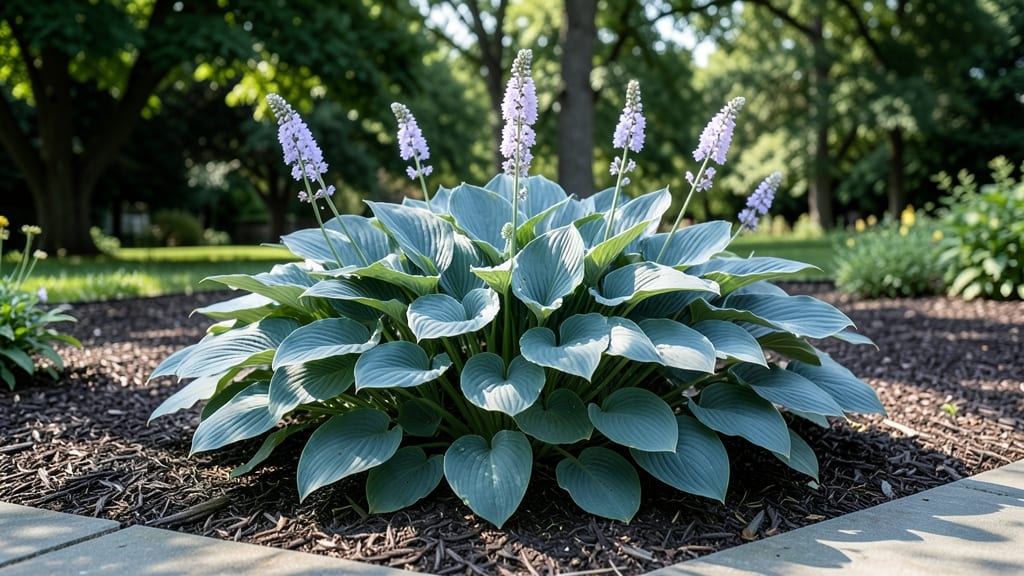
Some of the most popular shade plants don’t just survive in dim corners—they burst into vibrant life, turning even the darkest garden spots into thriving, year-round showcases. 🌿 I’ve filled my own shady spots with foliage that thrives where others struggle, creating effortless beauty with minimal fuss.
The right shade plants transform dark corners into vibrant, textured gardens that feel alive even in winter.
Think beyond ferns: hostas with chartreuse leaves, purple-black caladiums, and heucheras that glow like stained glass. These plants handle full to partial shade, their bold colors popping against mossy ground covers. They’re the backbone of woodland gardens, foundation plantings, and even urban courtyards where sun barely reaches.
You’ll end up with a garden that’s low-maintenance but high-impact—think velvety foliage, striking variegation, and flowers that bloom when others fade. The secret? Pairing plants with similar moisture needs and heights for a cohesive look that feels intentional, not random.
Perfect for under trees, north-facing walls, or any spot that gets less than 4 hours of direct sun. Let’s bring the drama to your shady spots!
📚 In This Guide
- What you need
- Instructions
- Tips and common mistakes
- Wrapping up and next steps
What you need
- ● Shade-tolerant plants: Choose from Hostas, Ferns, Hydrangeas, Astilbes, Heucheras, or Lungworts (3–5 plants per square foot for full coverage).
- ● High-quality potting soil or garden soil: 2–3 bags (50 lbs each) with organic matter (compost or peat moss) for moisture retention.
- ● Organic mulch: 1–2 bags (shredded bark, wood chips, or pine needles) to retain moisture and suppress weeds.
- ● Slow-release fertilizer: 1–2 bags (10–20 lbs) of balanced 10-10-10 or acid-loving plant fertilizer (for Hydrangeas or Azaleas).
- ● Watering can or hose with a gentle spray nozzle: For even moisture distribution (5–10 gallons capacity).
- ● Garden gloves: 1 pair (nitrile-coated for durability).
- ● Hand trowel or transplant spade: 1–2 (6–8 inch blades for digging).
- ● Pruning shears: 1 pair (sharp, bypass-style for clean cuts).
- ● Measuring tape or ruler: To space plants 12–36 inches apart (depending on variety).
- ○ Optional but helpful: Soil pH test kit (to check acidity/alkalinity, especially for Hydrangeas or Rhododendrons).
- ● Drip irrigation system (for low-maintenance watering in large gardens).
- ● Shade fabric (30–50% blockage) if your area gets partial sun.
How to select and plant stunning shade-loving plants
Here's how to transform dark corners into lush, vibrant spaces—no direct sun required.
🌿 Step 1: Choose Plants for Your Specific Light Conditions
Not all shade is equal. Deep shade (less than 3 hours of filtered light) suits ferns, hostas, and astilbes, while partial shade (3-6 hours) supports impatiens, heucheras, and caladiums. I always check the mature height of plants—tall varieties like Actaea simplex (bugbane) need back-of-border placement, while low growers like Lamium galeobdolon (dead nettle) thrive at the front.
Look for plants labeled "shade-tolerant" or "woodland native"—these terms guarantee success. For example, Hosta varieties like 'Blue Angel' or 'Francee' deliver bold foliage with minimal care. I avoid plants with "sun-loving" in their care notes—those will yellow and decline in deep shade.
🪴 Step 2: Prepare Planting Sites for Moisture Retention
Shade plants prefer consistently moist soil, so amend heavy clay with 2-3 inches of compost or organic matter to improve drainage while retaining moisture. I dig a hole twice as wide as the root ball but only as deep—planting too deep suffocates roots. Loosen the edges of the hole with a fork to encourage root spread.
For container planting, use a well-draining potting mix blended with 20% perlite to prevent soggy roots. I always water the mix before planting to eliminate air pockets that could dry out new roots. Mulch with 2-3 inches of shredded bark or pine needles to protect roots from temperature swings and retain moisture.
☀️ Step 3: Plant with Layered Foliage for Depth and Texture
Create visual interest by layering plants of varying heights and textures. Start with tall backdrops like Fatsia japonica or Hydrangea macrophylla, then add mid-height foliage such as Heuchera or Astilbe, and finish with low-growing ground covers like Lamium or Ajuga. This arrangement mimics natural woodland layers and prevents leggy growth.
Space plants according to their mature width—crowding leads to competition for nutrients and light. I use the plant's tag or a reference guide to determine spacing; for example, Hosta varieties need 18-24 inches apart, while Impatiens can sit 6-12 inches apart. Water deeply after planting to settle soil around roots and eliminate air gaps.
💧 Step 4: Water and Fertilize for Long-Term Health
Shade plants need 1-1.5 inches of water weekly, but adjust based on rainfall and soil type. I water in the morning to reduce fungal risks and let soil dry slightly between waterings—soggy soil leads to root rot. Use a slow-release fertilizer in early spring to support new growth, then switch to liquid organic fertilizer every 4-6 weeks during the growing season.
Yellowing leaves usually mean overwatering or poor drainage, while crispy edges signal underwatering. I always check soil moisture by sticking my finger 1-2 inches deep—if it feels dry, it's time to water. Avoid high-nitrogen fertilizers, which promote leafy growth at the expense of flowers in shade plants like Hydrangea.
✂️ Step 5: Prune and Maintain for Seasonal Interest
Deadhead spent blooms on plants like Impatiens or Astilbe to encourage continuous flowering, but avoid pruning until late winter for plants like Hosta or Heuchera, which benefit from natural winter dieback. I prune Fatsia japonica in early spring to shape it and remove any dead or crossing branches.
Divide crowded perennials like Hosta every 3-4 years in early spring or fall to rejuvenate growth. Mulch annually in late winter to protect roots from freeze-thaw cycles. With proper care, shade plants will reward you with lush foliage and seasonal blooms for years—no sunlight required.
Tips & tricks for perfect shade plant selection and planting
These insider tricks will help you create a thriving shade garden that rivals nature's best—without the guesswork.
Light Condition Intelligence: The 3-6 hour distinction for partial shade is critical. I always test my garden's light conditions with a simple trick: place a white plate in the spot for a few hours. If it stays mostly clean, it's deep shade; if it gets dusty, it's partial shade. This helps me match plants like Heuchera (which thrives in 3-6 hours) to the right location, preventing those disappointing yellow leaves that signal light mismatch.
Soil Prep Secret: For heavy clay soils, I double the compost recommendation to 4-6 inches instead of just 2-3 inches. This creates that perfect sponge-like texture that shade plants crave. I also add a handful of worm castings to the planting hole—it's like giving your plants a nutrient boost right from the start. The worm castings improve moisture retention while providing gentle, balanced nutrition.
Layering Like a Pro: When creating your woodland layers, I recommend starting with the tallest plants first. This prevents shade competition issues later. For example, place your Fatsia japonica (which can reach 6 feet) in the back, then work forward with Astilbe (2-3 feet), and finish with Lamium (6-12 inches). This mimics natural forest understory and gives each plant its ideal light exposure throughout the day.
Watering Wisdom: The 1-1.5 inch weekly watering guideline works for most shade gardens, but I adjust based on rainfall. I keep a simple rain gauge nearby and only water when I haven't reached that 1.5 inch mark naturally. For newly planted specimens, I water deeply every other day for the first two weeks to help roots establish—this prevents the shock that causes many shade plants to wilt and fail.
Pro Tips for Popular Shade Plants
- These insider tricks will help you create a thriving shade garden that rivals nature's best—without the guesswork.
- Light Condition Intelligence: The 3-6 hour distinction for partial shade is critical.
- Soil Prep Secret: For heavy clay soils, I double the compost recommendation to 4-6 inches instead of just 2-3 inches.
Frequently asked questions
Got questions about growing shade-loving plants? You’re not alone—here are some of the most common concerns (and answers!) to help you thrive in the shadows.
What are the easiest shade plants for beginners?
Start with hostas, heucheras, or ferns—they’re forgiving, low-maintenance, and handle low light beautifully. Look for varieties labeled "shade-tolerant" or "low-light" to avoid disappointment. Pro tip: Hostas are especially resilient, even in dry shade!
Can shade plants survive in complete darkness?
Nope! While they tolerate partial shade (3–6 hours of dappled light), most need some indirect light to thrive. If your spot is pitch-black, opt for snake plants or ZZ plants—they’re the toughest in near-darkness. Watch for: Yellowing leaves = not enough light.
How long does it take for shade plants to establish?
Most take 1–2 years to fill out, but faster growers like caladiums or coleus show progress in weeks. Patience pays off—divide clumping plants (like hostas) every 3–4 years to keep them vigorous. Speed hack: Use slow-release fertilizer at planting for a head start!
What can I plant if my shade is too wet?
Drainage issues? Swap soggy spots for carex sedges, Japanese painted ferns, or astilbes—they love moisture but won’t rot. For containers, ensure pots have drainage holes and use well-amended soil (add perlite or sand). Red flag: Mushrooms sprouting = overwatered soil.
Why are my shade plants getting eaten by slugs?
Slugs adore tender foliage! Set up beer traps (bury a shallow dish of beer) or sprinkle diatomaceous earth around plants. For prevention, avoid mulching too close to stems—keep it 2–3 inches away. Night owl tip: Handpick slugs after rain (they’re sluggish then!).
Can I mix shade plants with sun-lovers in one garden?
Yes, but strategically! Group shade plants together and use ground covers (like ajuga) to define the area. Avoid placing sun-hungry lavender or roses next to ferns—they’ll compete for light. Design win: Layer plants by height (tallest in back, shortest front) for drama!
Wrapping up and next steps
Transforming shady spots into lush, vibrant gardens is easier than you think! From the bold leaves of hostas to the elegant fronds of ferns, these popular shade plants prove that low-light areas can be just as stunning as sunny ones.
Whether you’re a seasoned gardener or a beginner, adding these hardy beauties will bring life, texture, and color to your outdoor space—without the fuss.
Ready to elevate your garden? Start small—pick one or two plants from this list, experiment with placement, and watch your shady sanctuary flourish! 🌿✨ Need a refresher on planting? Check out our step-by-step guide here!