
Shrubs
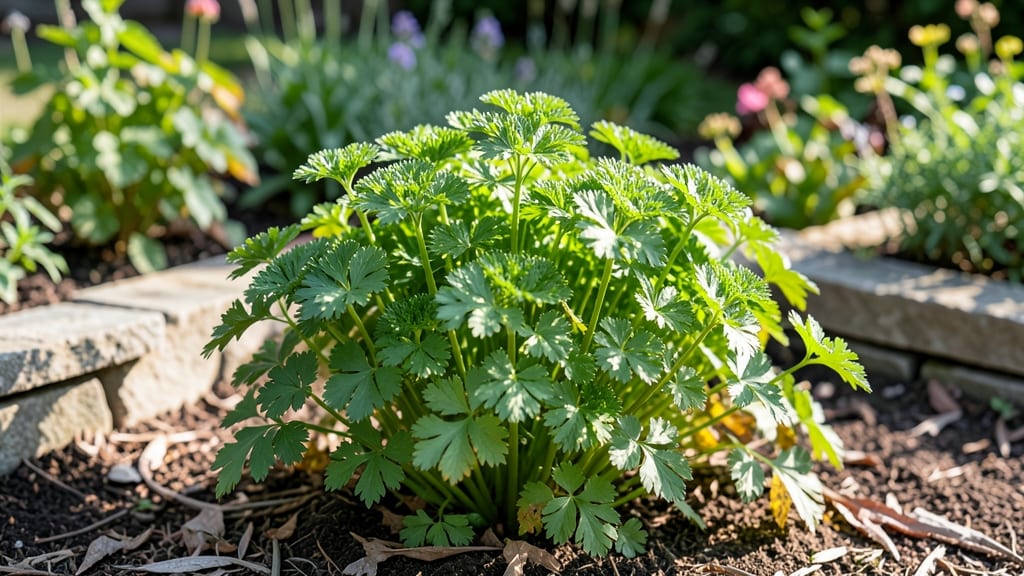
Growing parsley in shade or sun determines whether you get fragrant, fast-growing plants or bitter, stunted survivors.
Struggling to grow parsley that tastes strong and thrives despite your garden’s lighting conditions? The battle between shade and sun isn’t just about survival—it’s about flavor, growth speed, and even pest resistance.
Parsley 🌿 loves bright, indirect light but can handle partial shade, especially in hot climates. Too much sun scorches the leaves, while too little stretches the stems and weakens the flavor. Here’s how to balance light for the best harvest.
You’ll learn the ideal sunlight thresholds for your region, how to spot sunlight mistakes before they ruin your crop, and pro tips to maximize growth—whether you’re working with full sun or deep shade.
 Best Window Placement
Parsley in sun vs shade: how light affects flavor, growth, and pest resistance
Parsley thrives in partial shade, but its performance varies dramatically between full sun and deep shade. While many gardeners assume parsley is a low-maintenance herb, light exposure directly impacts its flavor, leaf size, and even resistance to pests.
Understanding these differences helps you grow parsley that’s both productive and flavorful, no matter your garden’s lighting conditions.
In my experience, flat-leaf parsley handles sun better than its curly counterpart, but even it struggles in intense afternoon heat. Meanwhile, curly parsley often becomes leggy and sparse in full sun, while deep shade can turn its leaves pale and flavorless.
The key lies in finding the right balance for your climate and variety.
Sunlight affects parsley in three critical ways: flavor intensity, growth speed, and pest susceptibility. For example, parsley grown in 4-6 hours of morning sun develops a stronger, more complex flavor compared to shade-grown plants. However, too much sun can lead to bolting and bitterness, while too little reduces growth and makes plants more vulnerable to fungal diseases.
Here’s how parsley performs under different light conditions, including growth rates, leaf quality, and pest resistance:
For flat-leaf parsley, 4-6 hours of morning sun is ideal—this mimics its natural Mediterranean habitat while avoiding afternoon heat stress. In contrast, curly parsley performs best with 3-4 hours of filtered light, producing lush, tender leaves perfect for garnishes.
I’ve found that in hot climates (Zones 8-10), parsley benefits from afternoon shade, while in cooler regions (Zones 3-6), it can handle more direct sunlight.
Pest resistance is another critical factor. Parsley grown in full sun attracts more aphids and spider mites due to its stressed state, while shade-grown plants are less appealing to these pests.
However, deep shade increases susceptibility to powdery mildew and root rot because of poor air circulation and excess moisture retention. The sweet spot? Partial shade with morning sun keeps pests at bay while maintaining robust growth.
If you’re growing parsley in containers, place them near an east-facing window for gentle morning light, then move them to a shaded spot by early afternoon. For in-ground planting, use dappled shade from trees or install a lightweight shade cloth (30-50%) during peak sun hours.
I’ve had great success with Italian flat-leaf parsley under a 50% shade cloth in my Zone 7 garden—it stays lush and flavorful all season.
To maximize flavor, harvest parsley in the morning after sunrise when essential oils are at their peak. If your parsley tastes bland, it’s likely due to insufficient light—try moving it to a sunnier spot for a few hours daily.
Conversely, if leaves turn yellow or wilt, it may be getting too much sun, especially in summer. Adjusting light exposure can make all the difference in your
How to maximize parsley growth in low-light conditions: pro tips for shade gardens
Even though parsley thrives in partial shade, many gardeners struggle when their space gets only 2-4 hours of sunlight daily. The good news? With the right strategies, you can still grow flavorful parsley in low-light conditions.
The key lies in compensating for reduced photosynthesis with nutrient-rich soil, strategic watering, and smart companion planting.
First, let’s address the elephant in the garden: shade doesn’t mean failure. Parsley is one of the most adaptable herbs, and with a few tweaks, you can achieve vigorous growth and bold flavor even in dimmer corners.
The secret? Mimicking its natural preferences by focusing on soil health, water consistency, and container advantages.
- ✅ Amend soil with compost and aged manure to boost nutrients parsley craves in low light. Aim for 3-4 inches of organic matter mixed into the topsoil.
- ✅ Water deeply every 2-3 days in shade—parsley roots struggle to absorb moisture efficiently. Use a moisture meter to check soil depth (aim for 60% moisture).
- ✅ Plant in containers with well-draining potting mix if ground soil is compacted. Elevate pots to improve airflow and drainage in shaded spots.
- ✅ Companion plant with chives or basil—both tolerate shade and deter pests like aphids that target stressed parsley in low light.
- ✅ Harvest leaves regularly to encourage bushier growth. In shade, parsley grows slower, so avoid cutting more than 1/3 of the plant at once.
Not all parsley varieties perform equally in shade. Flat-leaf parsley (like Italian parsley) tends to handle low light better than curly parsley, though both will survive. For the strongest flavor in shade, prioritize flat-leaf varieties—they concentrate essential oils more efficiently when light is limited.
Just be prepared for slightly milder taste compared to sun-grown parsley.
Another game-changer? Reflective surfaces like white gravel or mirrors can bounce extra light onto your parsley. Place them 1-2 feet away to simulate 2-3 additional hours of light without direct sun exposure. This trick works especially well for container-grown parsley on patios or balconies.
Finally, monitor your parsley for leggy growth—a classic sign of insufficient light. If stems stretch toward the nearest light source, it’s time to prune back the longest stems and rotate the pot weekly to encourage even growth.
With these adjustments, your shade-grown parsley will not only survive but thrive with robust, healthy foliage.
Remember, parsley’s resilience makes it a shade garden superstar. By focusing on soil nutrition, consistent moisture, and strategic companions, you’ll enjoy fresh parsley all season—no sunny spot required! 🌿