
Orchid Care
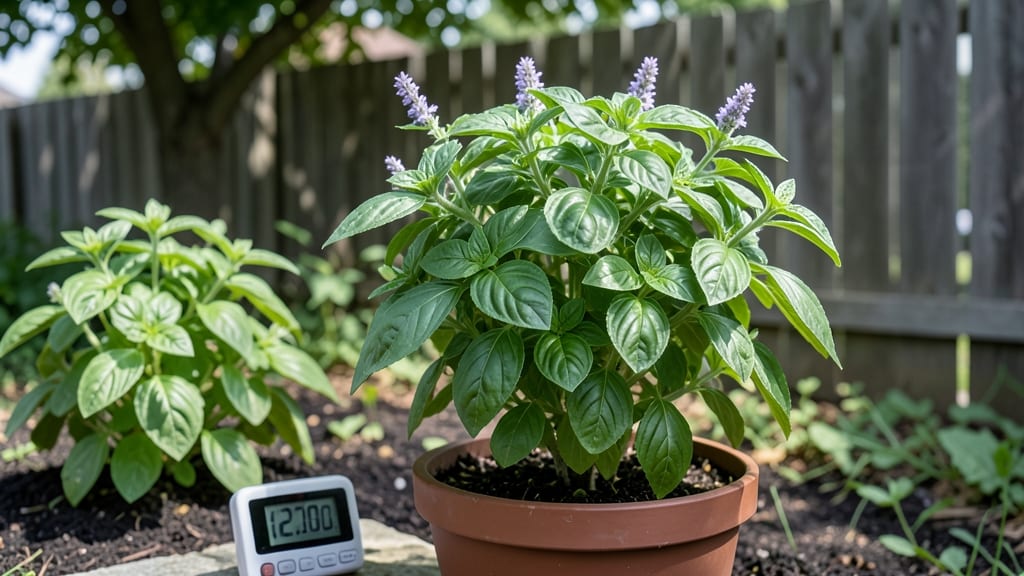
Growing basil in full sun or shade is the secret to unlocking its signature flavor and keeping it from bolting too soon—because light isn’t just about survival, it’s about taste.
Struggling to grow fragrant, flavorful basil? The battle between full sun and shade can make or break your harvest—yet most gardeners get this wrong. Too much shade, and you’re left with pale, leggy stems and weak flavor.
Too much sun, and the leaves burn or the plant bolts before you can harvest enough for your favorite pesto.
Here’s the truth: basil thrives with 6+ hours of sunlight daily, but it’s flexible. In hot climates, afternoon shade saves it from stress, while partial shade in cooler zones can still yield decent results—if you adjust your care.
Below, I’ll break down the exact light conditions basil needs, how to spot when it’s struggling, and the simple tweaks that keep it happy whether it’s basking in full sun or tucked under dappled shade.
You’ll learn how to read your basil’s leaves for clues, when to prune for bushier growth, and why watering habits change based on sunlight. No more guesswork—just bold, flavorful basil all season long.

Optimal sunlight requirements for basil growth and flavor
If you’ve ever grown basil that tastes bland or grows leggy, the issue likely stems from sunlight—or the lack of it. Basil thrives in full sun, but its growth, flavor, and even oil production depend heavily on how much light it receives.
Understanding the science behind basil’s sunlight needs is the first step to growing basil that’s both productive and fragrant. Let’s break down what your basil truly needs to shine.
Basil is a sun-worshipper, requiring at least 6 to 8 hours of direct sunlight daily to reach its full potential. This isn’t just about growth—it’s about flavor.
Studies show that basil plants grown in full sun produce 30% more essential oils, which are the compounds responsible for that signature sweet, peppery taste. Without enough light, your basil will stretch toward the sun, producing long, weak stems and pale, flavorless leaves.
Think of sunlight as the fuel for photosynthesis, the process that turns light into energy for your plant.
Here’s the hard truth: basil in partial shade (less than 4 hours of direct sun) will struggle. While it might survive, its growth slows, leaves become sparse, and flavor diminishes. The trade-off?
In hot climates, afternoon shade can protect basil from heat stress, but morning sun is non-negotiable. Let’s dive into the specifics so you can give your basil the perfect light conditions.
The table above shows why full sun is the gold standard for basil. When basil gets 6+ hours of direct sunlight, its leaves develop a deep green color and a thick, waxy texture—signs of robust health.
The chlorophyll in basil leaves absorbs light most efficiently in the blue and red spectrums, which are abundant in full sun. This efficiency translates to faster growth and higher yields.
For example, a basil plant in full sun can produce up to 3x more leaves than one in shade over the same growing season.
But here’s the catch: too much of a good thing can backfire. In regions with intense afternoon sun (like the American Southwest), basil can suffer from heat stress above 90°F. This causes leaves to wilt, turn yellow, or develop brown edges—a clear sign your plant is struggling.
If you live in a hot climate, aim for morning sun with afternoon shade. This setup allows basil to soak up the cooler, brighter light of the morning while escaping the scorching afternoon heat.
Shade also affects basil’s flavor chemistry. Basil’s signature aroma comes from compounds like eugenol and linalool, which are produced in response to sunlight. In low-light conditions, these compounds are dramatically reduced, leaving your basil tasting like a pale imitation of its sun-grown counterpart.
Think of it like coffee: the longer it’s brewed (or, in this case, the more sun it gets), the richer the flavor. Skimp on light, and you’ll end up with basil that’s more watery than wonderful.
If you’re growing basil in containers or on a balcony, position them where they’ll get the most sunlight possible. South-facing windows or patios are ideal, but if that’s not an option, consider a sunlight-tracking grow light for 12–14 hours daily.
Even a few extra hours of light can make a world of difference. Remember, basil isn’t just a pretty herb—it’s a sun-seeker, and giving it what it craves will reward you with a harvest that’s both abundant and delicious.
Next time you’re tempted to tuck your basil into a shady corner, think about the flavor you’re leaving on the table. With the right amount of sunlight, your basil
How to adapt basil care for partial shade conditions
Growing basil in partial shade doesn't mean sacrificing flavor or yield—it just requires smart adjustments. When your plants get less than 6 hours of sunlight, focus shifts to container choices, soil health, and pruning strategies to compensate.
Even in lower light, basil can thrive with the right care tweaks that boost photosynthesis efficiency.
First, understand that shade-stressed basil often grows leggy and produces fewer essential oils, which dulls its signature flavor. The key is to mimic ideal conditions through reflective surfaces, nutrient-rich soil, and aggressive pruning.
Let's break down the actionable steps to keep your basil lush and productive, even when sunlight is limited.
5 Ways to Adapt Basil Care in Partial Shade
-
1. Choose the Right Containers
Use light-colored containers (white, terracotta) to reflect more sunlight onto leaves. Add a reflective mulch like white gravel around the base for an extra 10-15% light boost.
-
2. Amend Soil with Organic Matter
Mix in compost and worm castings to improve soil aeration and nutrient uptake. Aim for 30% organic content to help roots access limited energy from shade.
-
3. Prune Aggressively for Bushiness
Pinch back top sets (flower buds) every 2-3 weeks to redirect energy to leaf production. This keeps plants compact and maximizes light exposure for remaining foliage.
-
4. Water Strategically
Water deeply in morning to prevent fungal issues from damp leaves. In shade, soil dries 20% slower, so check moisture every 2-3 days with your finger.
-
5. Plant Near Tall Companions
Pair basil with sun-loving companions like tomatoes or peppers. Their height creates a microclimate that filters harsh afternoon sun while still boosting overall light exposure.
Don't overlook the power of fertilizer adjustments in shade. Switch to a low-nitrogen, high-phosphorus formula (like 5-10-10) to encourage root growth rather than leafy but weak stems. Apply it every 6 weeks during the growing season, and always water it in to prevent burn.
For container-grown basil, rotate pots quarter-turns weekly to ensure even light exposure. This simple trick prevents one-sided growth and keeps leaves uniformly green.
If you notice yellowing between veins, it's a sign of low light stress—time to move the plant closer to a brighter spot or supplement with a grow light for 4-6 hours daily.
With these adaptations, your shade-grown basil can still deliver 70-80% of its full-sun flavor. The trade-off is worth it for gardeners with limited sunlight, especially when you factor in pest resistance (shade deters many common basil pests) and extended harvest seasons in cooler climates.