
Orchid Care
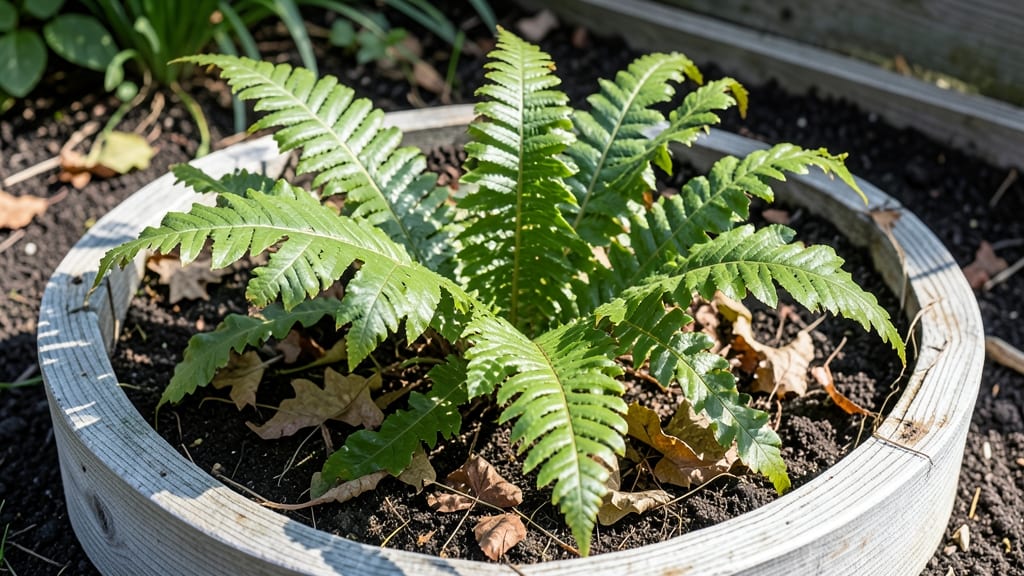
Ferns thrive in shade or sun—but only if you get the balance right, or your 🌿 lush greenery turns crispy at the edges.
Picture this: You’ve spent hours picking the perfect spot for your fern, only to watch its fronds yellow and droop. The problem? Too much direct sunlight can scorch delicate leaves, while too little shade slows growth to a crawl.
The key is understanding where your fern belongs—whether it’s the dappled light of a forest understory or the filtered glow of a north-facing window.
Not all ferns are created equal. Some, like the hardy Boston fern, handle bright indirect light like a champ, while others, like the maidenhair, need near-perfect shade to survive.
I’ll break down the ideal light conditions for each type, so you can finally stop guessing and start growing ferns that stay vibrant all season.
Ready to transform your fern game? You’ll learn how to spot light-related stress, adjust care based on sunlight exposure, and pick the perfect variety for your home or garden—no more sad, wilty fronds in sight.
 Best Window Placement
Best fern light requirements: shade vs. sun exposure explained
Ferns are the unsung heroes of shade gardens, but their light needs can be confusing. Most ferns thrive in low to bright indirect light, making them perfect for understory planting or indoor spots near windows.
The key is avoiding direct afternoon sun, which can scorch delicate fronds. Even a single afternoon of harsh sunlight can cause irreversible damage, so understanding your fern's light tolerance is critical for long-term success.
I’ve learned the hard way that ferns aren’t one-size-fits-all—some varieties, like the Boston fern, tolerate slightly brighter conditions, while others, such as maidenhair ferns, prefer dappled shade.
The difference often comes down to their natural habitat: tropical understory ferns evolved to filter sunlight through tree canopies, while hardier species can handle more light. Let’s break down the ideal conditions and how to spot the perfect location for your ferns.
When selecting a spot for your ferns, think about the angle of the sun in your climate. In my Zone 6a garden, I’ve noticed that east-facing beds get gentle morning light—perfect for maidenhair ferns—while west-facing areas can bake ferns by early afternoon.
For indoor ferns, position them 1-3 feet from an east or north-facing window to mimic their natural habitat. If your home only has south-facing windows, use sheer curtains to diffuse the light and prevent leaf burn.
Seasonal adjustments are key, especially for outdoor ferns. In spring and fall, when sunlight is less intense, you can gradually introduce ferns to slightly sunnier spots. However, during summer’s peak heat, move them to shadier locations or provide afternoon shade with lightweight shade cloth (30-50% coverage).
I’ve seen Boston ferns thrive in a spot that’s full shade in summer but gets partial sun in winter—this flexibility is why they’re so adaptable.
For container-grown ferns, mobility is your best friend. Rotate pots every 2-4 weeks to ensure even light exposure, and watch for fronds leaning toward the light—this is a clear sign they need repositioning.
If your fern starts developing yellow or brown tips, it’s often a cry for help: either too much direct sun or insufficient humidity. In my experience, a pebble tray with water beneath the pot can work wonders for humidity-loving varieties like bird’s nest ferns.
Pro tip: Test your spot before planting. Place a white piece of paper under the plant for a few hours—if you see sharp shadows, the light is too direct. If the paper stays evenly lit, it’s a safe bet for ferns.
This simple trick saved my Autumn fern from a sun-related meltdown last summer. Remember, ferns are light-sensitive but not heat-tolerant, so prioritize shade over sun whenever possible.
If you’re unsure about your garden’s microclimate, start with low-light ferns like Nephrolepis exaltata (Boston fern) and observe their response. These varieties are forgiving and will give you a baseline for what your specific environment can handle.
Over time, you’ll develop an intuition for where your ferns will flourish—just like I did after my first (sun-scorched) attempt with a maidenhair fern in a south-facing window.
🌿
Signs your fern needs more (or less) light—and how to fix it
If your fern’s fronds are turning yellow or developing crispy brown edges, light exposure is likely the culprit. Ferns are delicate about sunlight—they need just the right balance of indirect light to thrive.
Too much sun scorches them, while too little causes weak, sparse growth. The good news? With a few simple adjustments, you can revive your fern and keep it lush year-round.
I’ve seen Boston ferns recover from sunburn in just weeks by moving them to a shadier spot, and maidenhair ferns bounce back from leggy growth when given brighter, filtered light.
The key is observing your plant’s visual cues and responding quickly. Let’s diagnose the problem and fix it step by step.
⚠️ Warning: Fern Light Mistakes to Avoid
Placing your fern in direct afternoon sun causes sunburn (crispy, brown edges), while deep shade leads to weak, pale fronds and slow growth. South-facing windows or hot, exposed outdoor spots are fern killers—move them immediately if you spot these signs.
✅ Fix it: Rotate your fern quarter-turn weekly for even growth, and use sheer curtains to filter harsh light.
Start by checking your fern’s frond color. Healthy fronds are vibrant green with a slightly leathery texture. If they’re yellowing from the bottom up, your fern is getting too much light or not enough water.
Trim the damaged fronds 1 inch above the soil to encourage new growth, then move the plant to a bright, indirect spot, like near an east-facing window or under a dappled shade tree.
For crispy, brown edges, the issue is usually low humidity combined with too much sun. Increase humidity by placing a pebble tray under the pot or misting the fronds daily with room-temperature water.
Grouping ferns together also helps create a microclimate with higher moisture. If your fern is outdoor-bound, choose a spot with morning sun and afternoon shade.
Slow growth or leggy, sparse fronds? Your fern needs more light.
Gradually introduce it to brighter conditions—start with 2-3 hours of indirect light daily and increase by 1 hour per week. Grow lights (like LED full-spectrum bulbs) work well for indoor ferns, placed 6-12 inches above the plant for 12-14 hours daily.
Avoid fluorescent lights, which can cause frond bleaching.
Seasonal light changes matter too! In summer, ferns may need extra shade (try a lightweight shade cloth if outdoors). In winter, supplement with grow lights if natural light drops below 4 hours daily.
Repot every 2-3 years into a slightly larger container with peat-based potting mix to prevent root-bound stress, which worsens light sensitivity.
Pro tip: Test your fern’s light spot by holding a white sheet of paper near it. If you can’t see your handprint through the filtered light, it’s too dim. If the paper burns or yellows after 1 hour, the light is too harsh.
Adjust until you find that perfect balance—your fern will thank you with new, lush fronds in no time! 🌿