
Companion Plants
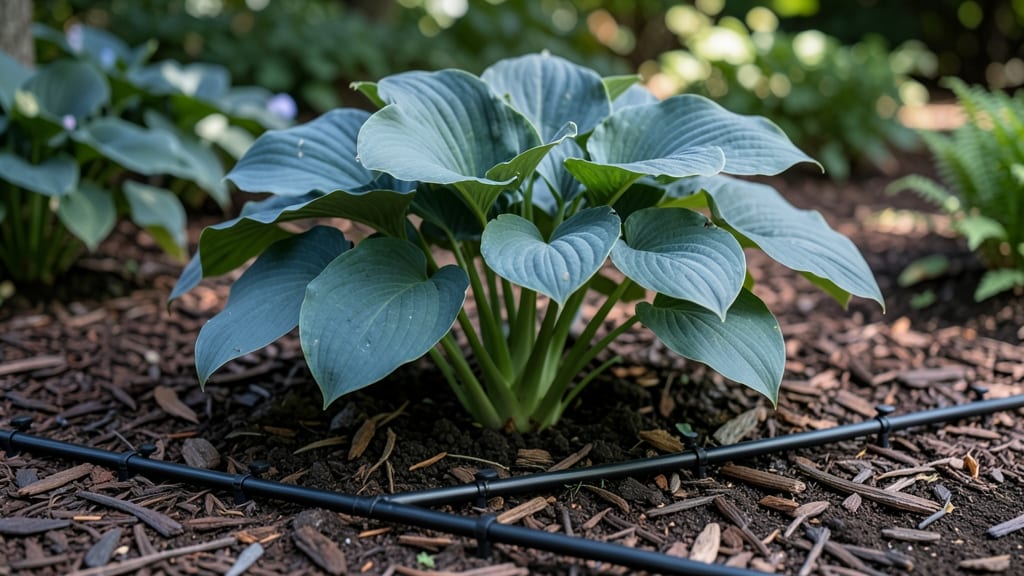
Massachusetts’ woodlands offer the perfect inspiration for a shade garden that feels wild yet intentional. 🌿 The right native plants—like foamflower, wild ginger, and Solomon’s seal—create lush understories that thrive in dappled light while supporting local ecosystems.
These species handle our rocky soils, fluctuating temperatures, and occasional drought better than most non-natives, and they’ll reward you with seasonal blooms, textured foliage, and wildlife visits without demanding constant care.
The magic lies in layering: plant 3–4 foot tall shrubs like spicebush behind mid-height perennials such as bloodroot, then tuck in ground covers like wild strawberry or partridgeberry for a carpet effect. Most need morning sun and afternoon shade, and they’re happy with average moisture—no fancy amendments required.
Your garden will look like it belongs there, not like it was forced into the shadows. By mid-summer, you’ll have a fragrant, buzzing ecosystem where pollinators and birds thrive.
The foliage shifts from spring’s delicate leaves to fall’s fiery hues, and the roots hold soil in place during our wet winters. It’s a garden that works with nature, not against it—low-maintenance, sustainable, and uniquely New England.
For best results, start small with 3–5 plants and let them naturalize. Pair them with a mulch of leaf litter to mimic the forest floor, and watch how quickly they fill in. This isn’t just shade gardening—it’s creating a miniature woodland that feels alive all season long.
📚 In This Guide
- What you need
- Instructions
- Tips and common mistakes
- Wrapping up and next steps
What you need
- ● Native shade plants: 3–6 plants per 100 sq. ft. (e.g., Virginia bluebells (Mertensia virginica), trilliums (Trillium spp.), wild ginger (Asarum canadense), or foamflower (Tiarella cordifolia)). Choose 2–3 varieties for diversity.
- ● High-quality native soil: 2–3 cubic yards (or amend existing soil with compost and leaf mold for better drainage).
- ● Mulch: 2–3 inches of wood chips or pine needles (avoid dyed mulch—it harms soil!).
- ● Garden tools: Trowel or hand shovel
- ● Garden fork (for aerating compacted soil)
- ● Pruners (sterilized with rubbing alcohol)
- ● Wheelbarrow (for hauling soil/mulch)
- ● Watering supplies: Hose with soaker nozzle or drip irrigation kit
- ● Watering can (for delicate seedlings)
- ● Soil test kit: Check pH (ideal: 5.0–6.5 for most natives). Local UMass Extension offices offer free tests!
- ● Erosion control: Jute mesh or coir mats for slopes.
- ● Wildlife-friendly touches: Bird feeders or native seed mixes for pollinators
- ● Small stone borders to define plant groupings
- ● Seasonal prep: Frost cloth (for early spring/fall planting)
- ● Plant labels (write names with archival ink)
Step-by-Step guide to designing a thriving native shade garden in Massachusetts
New England’s woodlands offer perfect conditions for shade-loving natives—here’s how to create a resilient, low-maintenance garden that supports local ecosystems.
🌿 Step 1: Assess Your Shade Conditions
Massachusetts’ forests create varied shade, from deep evergreen shadows to dappled sunlight filtering through deciduous canopies. Walk your site at different times of day—note where light shifts and how long shadows linger. Deep shade (less than 3 hours of sunlight) suits ferns, hellebores, and trilliums, while dappled light (3-6 hours of filtered sunlight) thrives with wild ginger, bloodroot, and foamflower.
Use a light meter app to quantify light levels if unsure. I’ve found that even small variations—like a 2-foot difference in proximity to a tree trunk—can determine whether a plant thrives or struggles. Mark your zones with stakes to plan accordingly; this prevents costly mistakes later.
🌱 Step 2: Select Plants for Layered Structure
Design for vertical diversity to mimic natural woodlands. Start with tall understory trees like serviceberry (Amelanchier) or striped maple (Acer pensylvanicum) for height, then add mid-height shrubs like spicebush (Lindera benzoin) or winterberry (Ilex verticillata), and finish with ground covers like wild columbine (Aquilegia canadensis) or partridgeberry (Mitchella repens).
I prioritize plants with multiple seasons of interest—like the early spring blooms of bloodroot (Sanguinaria canadensis) followed by the fall foliage of oakleaf hydrangea (Hydrangea quercifolia). Check the USDA Plant Database for Massachusetts-native species with adaptable root zones—they’ll handle your soil’s unique pH and moisture.
💧 Step 3: Prepare Soil for Moisture and Drainage
Native shade plants often prefer well-draining but consistently moist soil, so amend heavy clay with 2-3 inches of compost and a 1-inch layer of pine needles or leaf mulch to improve structure. Avoid tilling—it disrupts fungal networks that help roots absorb nutrients. Instead, use a broadfork to loosen soil without breaking up mycorrhizal connections.
Test your soil’s moisture retention by digging a 6-inch hole and filling it with water. If it drains within 15 minutes, your soil is too sandy—add peat moss or coconut coir to hold moisture. If water pools, incorporate sand or perlite to improve drainage. I’ve seen shade gardens fail within a year because of poor drainage, so this step is critical.
☀️ Step 4: Plant for Seasonal Interest and Pollinator Support
Space plants 12-36 inches apart, depending on mature size, to allow airflow and reduce disease. Plant in early spring or fall when temperatures are mild—avoid summer heat, which stresses roots. Dig holes twice as wide as the root ball but no deeper, then water deeply to settle soil before backfilling.
Include pollinator magnets like wild bergamot (Monarda fistulosa) or butterfly weed (Asclepias tuberosa) to attract beneficial insects. I’ve noticed that gardens with diverse pollinator activity recover faster from pests—nature’s pest control in action. Mulch with 3 inches of shredded leaves to suppress weeds and retain moisture, but keep mulch 2 inches away from stems to prevent rot.
✂️ Step 5: Maintain with Minimal Intervention
Once established, most native shade plants require only seasonal pruning—remove dead foliage in early spring and trim overgrown stems in late summer. I prune just above a leaf node to encourage bushier growth. Fertilize only if growth is stunted, using a low-nitrogen, organic fertilizer like fish emulsion or compost tea in early spring.
Monitor for invasive species like Japanese barberry or English ivy, which outcompete natives. Pull them immediately—their aggressive roots smother young plants. Water deeply once a week during dry spells, but avoid overhead watering to prevent fungal diseases. Your goal is to mimic natural rainfall patterns, not constant moisture.
Tips & tricks for perfect native shade gardens in Massachusetts
Creating a thriving native shade garden takes more than just planting—it's about understanding the subtle details that make all the difference in New England's challenging conditions.
Light Mapping is Everything: I can't stress enough how critical it is to map your shade patterns before planting. Use a simple method: place a white board or piece of paper on the ground at different locations and mark the outline of shadows every hour for a full day. This visual record will reveal microclimates you'd never notice otherwise. In Step 1, when assessing your shade conditions, this shadow mapping technique helps you identify those perfect transitional zones between deep shade and dappled light where many native plants truly excel.
Soil Testing Goes Beyond pH: While pH is important, focus equally on your soil's moisture retention characteristics. After amending with the 2-3 inches of compost and 1-inch layer of mulch in Step 3, conduct a simple field test: dig a 6-inch hole and fill it with water. If it drains completely within 15 minutes, your soil is too sandy and needs additional organic matter. If water remains for more than 30 minutes, you'll need to incorporate sand or perlite. This test reveals more about your soil's suitability for native plants than a basic pH test ever will.
Layered Planting Strategy: When implementing the layered structure in Step 2, think vertically from the start. Place your tallest plants on the north side of your garden to prevent shading of smaller plants. I've found that positioning serviceberry trees on the north edge creates perfect conditions for spicebush shrubs behind them, while leaving space for ground covers like wild columbine in the front. This arrangement mimics natural forest understory patterns and creates a more resilient ecosystem.
Seasonal Pruning Timing: The maintenance instructions mention pruning in early spring and late summer, but here's the key detail: time your pruning to coincide with the plant's natural growth cycles. For example, prune oakleaf hydrangea immediately after its spring bloom to encourage new growth for fall foliage. This precise timing maintains the plant's seasonal interest while minimizing stress. I've seen gardens where overzealous pruning at the wrong time completely eliminated fall color—don't make that mistake.
Pro Tips for Native Shade Plants Massachusetts
- Creating a thriving native shade garden takes more than just planting—it's about understanding the subtle details that make all the difference in New England's challenging conditions.
- Light Mapping is Everything: I can't stress enough how critical it is to map your shade patterns before planting.
- Soil Testing Goes Beyond pH: While pH is important, focus equally on your soil's moisture retention characteristics.
Frequently asked questions
Got questions about transforming your Massachusetts shade garden with native plants? You’re not alone! Here are some of the most common queries—and their answers—to help you grow with confidence.
What are the easiest native shade plants to grow in Massachusetts?
Start with low-maintenance winners like Virginia Bluebells (for spring blooms), Wild Ginger (great ground cover), or Solomon’s Seal. These thrive in dappled light, handle New England’s humidity, and attract pollinators. Foamflower is another fan favorite—it’s tough, spreads gently, and blooms in early summer.
When is the best time to plant native shade plants in MA?
Plant in early spring (April–May) or fall (September–October) for the best success. Avoid extreme heat or frost, which can stress roots. Fall planting gives plants time to establish before winter, while spring lets them take advantage of warm soil and consistent moisture.
Can these plants handle full shade, or do they need some sunlight?
Most Massachusetts native shade plants prefer partial shade (3–6 hours of dappled light daily), but some, like Christmas Fern or Partridgeberry, tolerate full shade (less than 3 hours of light). If your garden is deeply shaded, opt for ferns, hellebores, or Dutchman’s Breeches—they’re built for low-light conditions.
Why aren’t my native shade plants thriving? Troubleshooting tips.
Yellowing leaves? Check for overwatering or poor drainage—many natives hate soggy roots. Brown edges? It might be too much sun or drought stress. Poke around the soil—if it’s dry 1–2 inches down, water deeply. Mulch (2–3 inches) helps retain moisture and mimics forest floor conditions.
Are there any native shade plants that repel deer or rabbits?
Yes! Deer and rabbits usually avoid Wild Bergamot, Golden Ragwort, or American Ginseng (though the latter is rare and protected). For ground covers, try Creeping Phlox or Alum Root—both are tough and less appealing to browsers. Pro tip: Pair with fragrant plants like Wild Columbine to mask scents that might attract pests.
Wrapping up and next steps
Transforming your Massachusetts garden into a thriving native shade haven is easier—and more rewarding—than you think! 🌿 From the hardy Virginia bluebells to the resilient wild ginger, these plants not only survive but flourish in New England’s dappled light, offering beauty, biodiversity, and low-maintenance charm.
Ready to turn your shady spots into a lush, eco-friendly retreat?
Your next step? Start small:
- Pick one or two plants from this list to test your soil and light conditions.
- Check local nurseries or native plant sales for healthy starts.
- Share your progress—or ask questions—in our gardening community for tips tailored to your yard!