
Light Requirements
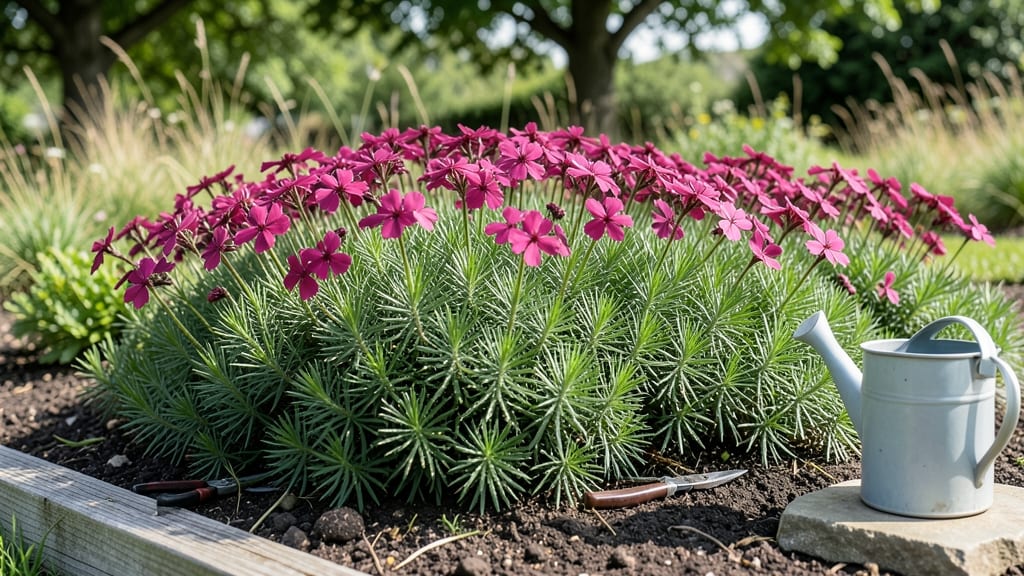
Creeping phlox thrives in part shade with varieties like 'Sherwood Purple' and 'Emerald Blue' that tolerate morning sun and afternoon shade, requiring well-draining soil and consistent moisture for vibrant blooms. Prune after flowering to encourage dense growth.
Part shade is actually perfect for creeping phlox, as it prevents the intense afternoon sun from scorching delicate foliage while still providing enough light for strong blooms. 🌿 The key is finding that sweet spot—too little light leads to leggy growth, while too much can fade colors.
I’ve seen 'Blue Ridge' varieties perform exceptionally well in dappled shade, producing clusters of vibrant blooms even in less-than-ideal conditions. For best results, pair your phlox with shade-tolerant perennials like ajuga or heuchera to create a thriving ground cover that stays lush all season long.
When planting in part shade, focus on soil quality first. Amending with compost improves drainage while retaining moisture, which creeping phlox craves. A 3-inch layer of mulch helps regulate soil temperature and reduces water evaporation, making maintenance easier.
Remember that even shade-loving varieties need at least 4-6 hours of indirect light daily—without it, you’ll notice fewer flowers and weaker stems.
💡 In This Article
- How Light and Soil Affect Creeping Phlox Growth in Part Shade
- Top Part-Shade Creeping Phlox Varieties and Planting Tips
How light and soil affect creeping phlox growth in part shade
Creeping phlox thrives in part shade because its natural growing conditions mimic the dappled sunlight found under deciduous trees. The ideal setup is 3-4 hours of morning sun followed by 4-6 hours of afternoon shade, which prevents leaf scorch while maintaining enough energy for flowering.
The morning sun provides the necessary light for photosynthesis, while afternoon shade reduces stress from intense UV rays. Without this balance, you'll notice weaker stems and fewer blooms—especially in varieties like 'Emerald Blue,' which can become leggy if deprived of adequate light.
The soil's drainage and pH play equally critical roles. Creeping phlox prefers a slightly acidic to neutral pH of 6.0-7.0, which encourages root development and nutrient uptake. Poor drainage causes root rot, a common issue in heavy clay soils, while well-draining soil prevents waterlogging.
To improve drainage, mix in 20-30% compost or perlite into native soil before planting. The roots need oxygen to thrive, and compacted soil restricts this exchange, leading to stunted growth. 🌱
Shade intensity directly impacts blooming frequency and color vibrancy. Deep shade (less than 3 hours of light daily) reduces flower production by up to 40%, while dappled shade maintains optimal blooming. For example, 'Sherwood Purple' may produce 30-40% fewer flowers in deep shade compared to part shade.
The key is to avoid dense, unbroken shade—think of the light filtering through tree canopies rather than a solid wall of shade. This mimics the plant's native woodland edge habitat, where it evolved to thrive.
Root health depends on consistent moisture without waterlogging. Creeping phlox has shallow roots that spread horizontally, making them sensitive to both drought and excess moisture. In part shade, soil stays cooler and retains moisture longer, reducing the need for frequent watering.
However, during dry spells, the top 2-3 inches of soil should stay lightly moist. Overwatering in poorly drained soil leads to fungal issues like powdery mildew, which can defoliate plants if left unchecked. A simple soil test can reveal drainage issues before they become problematic.
Seasonal light changes also affect growth patterns. In early spring, when trees are still bare, creeping phlox benefits from full sun exposure, which kickstarts vigorous growth. As summer progresses and shade increases, the plant naturally adjusts its energy toward root development and flower production.
This adaptability is why part shade is ideal—it provides the best of both worlds: early-season sun for growth and summer shade for protection. 🌿
Consider the microclimate of your garden. North-facing slopes or areas near large trees create cooler, more shaded conditions, while south-facing spots with afternoon shade remain warmer. Adjust planting locations accordingly—shade-tolerant varieties like 'Twilight Zone' handle cooler microclimates better, while 'Blue Ridge' thrives in slightly warmer part shade.
Observing these nuances ensures your creeping phlox stays healthy and blooms abundantly year after year.