
Shrubs
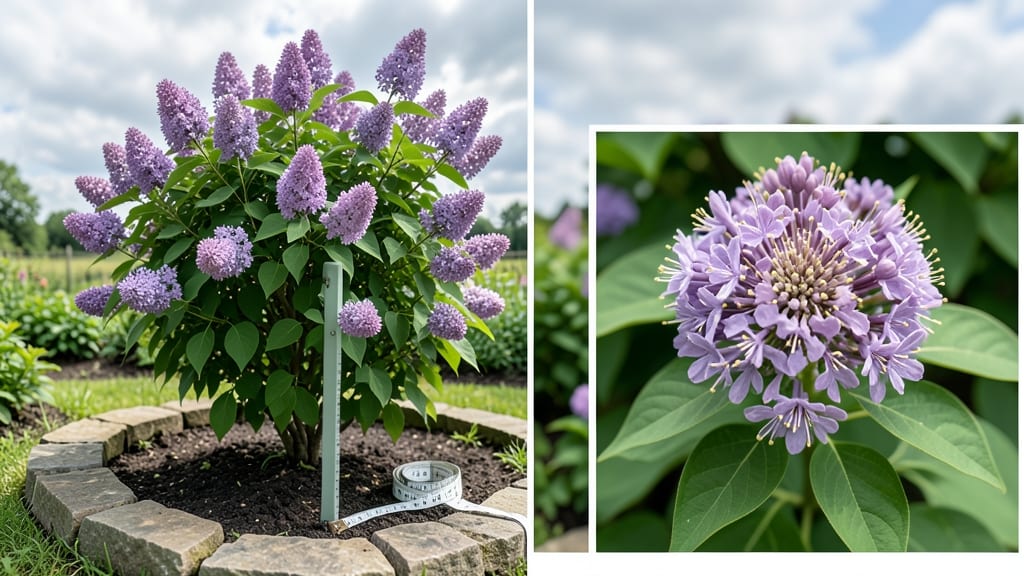
Your lilac bush thrives in sun or shade with the right variety and care—6+ hours of sunlight unlocks the most fragrant blooms, but some cultivars handle partial shade better than others.
Struggling to decide whether your lilac bush thrives in sun or shade? The right light conditions can transform your fragrant blooms from sparse to spectacular—here’s how to choose the perfect variety for your garden’s light.
Most lilacs love full sun, but shade-tolerant varieties like 'Bloomerang' or 'Miss Canada' can handle 4-6 hours of light without sacrificing flowers. The key? Matching your bush to your yard’s conditions, whether that’s a south-facing border or a dappled woodland edge.
Below, I’ll break down the best sun-loving and shade-friendly lilacs, soil tricks for each, and how to tell when your bush is getting just the right amount of light—no guesswork, just abundant, fragrant blooms.
 Best Window Placement
Best lilac bush varieties for full sun exposure
If you're dreaming of fragrant clouds of purple blooms that thrive under the brightest sunlight, you’re in the right place. Lilacs like 'Katherine Havemeyer' and 'Mme. Lemoine' aren’t just survivors in full sun—they flourish there, producing bold, abundant flowers with intoxicating fragrance.
The key? Choosing the right variety and giving it the ideal growing conditions to reward you with years of stunning displays. Let’s dive into the top sun-loving lilacs and how to keep them thriving.
Full sun exposure—defined as 6+ hours of direct sunlight daily—is a game-changer for lilacs. These varieties not only bloom more prolifically but also develop stronger stems and healthier foliage. However, not all lilacs handle intense sunlight the same way.
Some, like 'Dwarf French', are compact yet sun-hungry, while others, like 'Purple Plume', can handle hot, dry climates with ease. The secret lies in soil prep, watering strategies, and pruning techniques tailored to their needs.
Here’s what sets sun-loving lilacs apart:
- Brighter, more vibrant blooms (thanks to increased photosynthesis)
- Longer bloom seasons (up to 3 weeks in ideal conditions)
- Stronger fragrance (sunlight enhances essential oils in flowers)
- Faster growth rates (especially in their first 3 years)
| Variety | Bloom Time | Fragrance Intensity | Mature Height | Sun Needs | Care Tips |
|---|---|---|---|---|---|
| 'Katherine Havemeyer' | Mid-May | Very Strong | 8-12 ft | Full Sun | Prune after blooming; mulch annually |
| 'Mme. Lemoine' | Early May | Strong | 6-8 ft | Full Sun | Drought-tolerant; fertilize in spring |
| 'Dwarf French' | Late May | Moderate | 4-6 ft | Full Sun | Compact growth; minimal pruning |
| 'Purple Plume' | Mid-May | Very Strong | 10-12 ft | Full Sun | Heat-resistant; prune lightly |
| 'President Lincoln' | Late May | Strong | 7-9 ft | Full Sun | Cold-hardy; water deeply in summer |
Let’s start with 'Katherine Havemeyer', a classic sun-lover that’s a staple in gardens across the U.S. This variety blooms mid-May with large, deep purple flowers that smell like a springtime perfumer’s dream.
To keep it thriving, plant it in well-draining soil with a slightly alkaline pH (7.0-7.5). Mulch around the base in early spring to retain moisture and protect roots from temperature swings.
For a compact
Shade-tolerant lilac varieties and their growing conditions
Not all lilacs demand full sun to thrive—some varieties actually flourish in shade, making them perfect for woodland gardens, north-facing yards, or under tall trees.
While most lilacs prefer 6+ hours of sunlight, these shade-tolerant picks adapt beautifully to partial shade (3-6 hours of light) or even dappled shade. The key is choosing the right variety and adjusting care to maximize their fragrant blooms.
These lesser-known lilacs—like 'Bloomerang', 'Miss Canada', and 'Edith'—offer stunning flowers without the sun requirements of traditional varieties. They’re ideal for gardeners with limited sunlight spots who still want that classic lilac fragrance.
Let’s explore their unique needs and how to coax the most blooms from them in shady conditions.
- 'Bloomerang' Lilac: Reblooms twice a year (spring + late summer) in partial shade. Needs well-draining soil and consistent moisture to prevent leaf drop. Prune lightly after each bloom cycle.
- 'Miss Canada' Lilac: Compact (4-5 ft tall) and drought-tolerant once established. Thrives in morning sun + afternoon shade. Prefers slightly acidic soil (pH 6.0-7.0) for best performance.
- 'Edith' Lilac: Early bloomer with pale purple flowers and strong fragrance. Handles deep shade (2-3 hours of light) but may produce fewer blooms. Mulch heavily to retain moisture.
- Soil Prep Tip: Amend clay-heavy soil with compost or peat moss to improve drainage. Shade-tolerant lilacs hate soggy roots, so raise beds if needed.
- Watering Adjustments: Water deeply 2-3 times per week in shade (vs. weekly in sun). Avoid overhead watering to prevent fungal diseases like powdery mildew.
When planting shade-tolerant lilacs, focus on soil aeration and root health. These varieties compensate for low light by growing more leaves, so prune selectively to maintain an open canopy. Remove only dead or crossing branches in late winter to avoid cutting off next year’s flower buds.
One common mistake is assuming all lilacs need full sun—this leads to leggy growth and sparse blooms in shade. Instead, choose the right variety and supplement with balanced fertilizer (like 10-10-10) in early spring. Shade-tolerant lilacs reward patience with longer-lasting blooms and intense fragrance, even in low-light spots.
For maximum impact, pair shade lilacs with hostas or ferns to create a layered, textured garden. Their fragrant blooms will draw pollinators while adding height and color to darker corners of your yard. With the right care, these varieties prove that lilacs don’t need sun to shine.