
Orchid Care
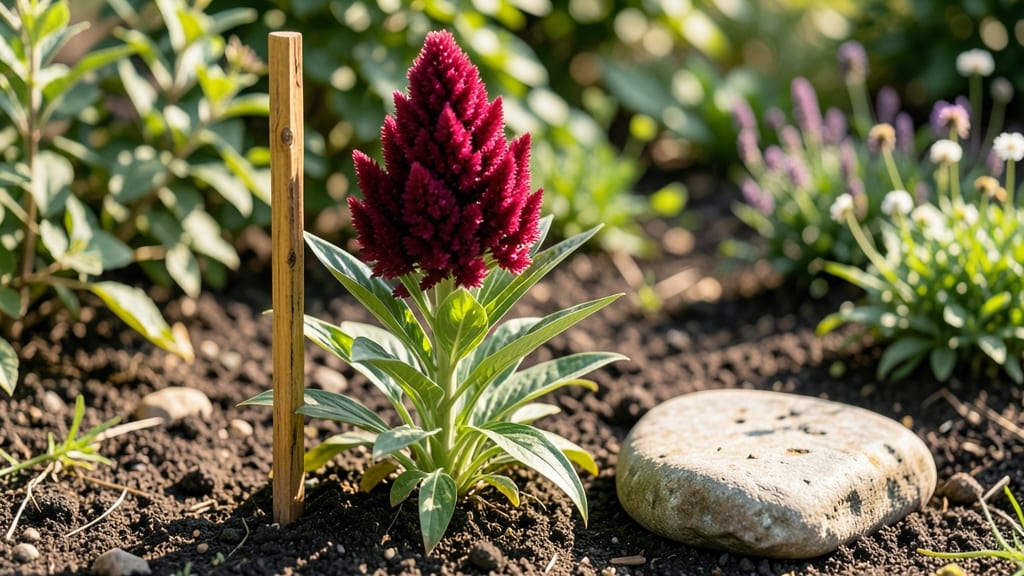
Growing celosia in sun or shade isn’t just possible—it’s the key to unlocking bold, heat-resistant blooms that last all season.
Want vibrant, heat-resistant blooms that thrive in any light condition? Celosia 🌸 isn’t just a summer fling—it’s a year-round color powerhouse that adapts to sun or shade with stunning results. Whether you’ve got a scorching patio or a shady corner, this plant delivers.
Most gardeners assume celosia needs full sun, but the truth is far more flexible. While it loves bright light for maximum flower intensity, it also tolerates partial shade, making it perfect for tricky spots where other plants struggle.
The secret lies in choosing the right variety and adjusting care to match your light conditions.
In this guide, I’ll break down how to grow celosia in sun or shade—from soil prep to watering tricks—so you can enjoy year-round color without the guesswork. Let’s get started!
 Best Window Placement
Best celosia varieties for sun vs. shade: a heat-resistant color guide
Celosia’s fiery blooms bring bold color to gardens, but not all varieties handle sun vs. shade the same way. Whether you’re battling scorching afternoons or struggling with low-light spots, the right celosia variety can transform your space.
I’ve grown these heat-resistant beauties in everything from full sun to dappled shade, and here’s what thrives where—and why.
First, let’s clarify the three main celosia types: plumed (feather-like blooms), crested (cock’s comb shapes), and hybrid (crossbreeds with extra vigor). Each has unique light tolerance and color intensity—some blaze in sun, while others quietly shine in shade.
The key? Matching your garden’s conditions to the right variety for year-round color.
For full sun gardens, 'Impulse' and 'Atomic Red' hybrids dominate with their heat resistance and vibrant colors. These varieties thrive in 6+ hours of direct light and reward you with long-lasting blooms even when temperatures soar. Plant them in well-draining soil and watch them blaze through summer without wilting.
In partial shade, where 3-6 hours of sun reach your garden, crested types like 'Cockscomb' shine. Their deep purple-red blooms tolerate milder light better than plumed varieties, making them perfect for woodland edges or understory plantings. Pair them with hostas or ferns for a lush, textured look.
If your space gets only filtered light, like under large trees, opt for 'Flame' celosia. Its coral-pink plumes adapt to low-light conditions while still delivering bold color. Just be prepared for slightly smaller blooms compared to sun-loving varieties. Mulch heavily to protect roots from temperature swings.
Pro tip: Hybrid varieties often outperform traditional types in heat and humidity. For example, 'Impulse' stays upright in 100°F+ temps, while 'New Look Tangerine' may flop without staking. Test a few in your microclimate to see which performs best—your garden’s unique conditions matter more than general rules.
Color intensity also shifts with light. Celosias in full sun develop brighter hues, while shaded plants may show softer tones. To boost vibrancy, feed balanced fertilizer (5-10-10) every 4-6 weeks during the growing season. And always deadhead spent blooms to encourage continuous flowering, regardless of light conditions.
One common mistake? Assuming all celosias are sun worshippers. While most love light, crested types often tolerate more shade than plumed ones. My 'Cockscomb' in a north-facing bed still produced stunning blooms, proving that adaptability is celosia’s superpower.
For container gardening, choose compact varieties like 'New Look Tangerine' in 5-gallon pots. Place them where they’ll get at least 4 hours of sun daily, even on shaded patios. Rotate pots weekly to ensure even light exposure—this trick keeps blooms lush and symmetrical.
Ready to pick your perfect celosia? Start with
How to grow celosia in challenging light: pro tips for sun or shade success
Celosia thrives in diverse light conditions, making it perfect for gardens with sunny patches or shady corners. Unlike finicky flowers, celosia adapts beautifully—whether basking in full sun or surviving in partial shade.
The key lies in soil prep, watering balance, and pruning techniques tailored to your light setup.
In full sun, celosia rewards you with bold, fiery blooms and compact growth. But in shadier spots, it stretches slightly taller while still delivering vibrant color.
The secret? Adjusting care to match the light your garden offers. Let’s dive into proven strategies to maximize your celosia’s potential, no matter where you plant it.
🌱 Celosia Light Care Quick Guide
| Light Condition | Soil Prep | Watering Schedule | Pruning Tip |
|---|---|---|---|
| Full Sun (6+ hrs) | Well-draining, sandy loam with compost | Every 3-4 days; deep watering | Pinch 1/3 of stems at 6" tall |
| Partial Shade (3-6 hrs) | Moist, humus-rich soil with perlite | Every 5-6 days; keep soil moist | Remove yellow leaves to improve airflow |
| Low Light (<3 hrs) | Light, airy soil with coconut coir | Every 7 days; mist foliage | Stake tall stems to prevent flopping |
Start with well-draining soil—celosia hates soggy roots. For sunny spots, mix in sand or perlite to prevent compaction. In shadier areas, blend in organic matter like compost or coconut coir to retain moisture. A pH of 6.0-7.0 works universally, so test your soil before planting.
Watering is where light conditions make the biggest difference. In full sun, celosia drinks heavily—water deeply every 3-4 days to encourage strong roots. In shade, reduce frequency to every 5-6 days to avoid root rot.
Always water at soil level, not the leaves, to prevent fungal issues.
Pruning keeps your celosia compact and bushy. In sunny gardens, pinch back the top 1/3 of stems when they reach 6 inches to trigger branching.
In shadier spots, focus on removing dead or yellow leaves to redirect energy to blooms. For low-light plants, use bamboo stakes to support tall stems.
Don’t forget seasonal adjustments! In summer heat, mulch with straw to retain moisture. If your celosia starts wilting in shade, it may need a bright window or grow lights.
With these light-specific tips, your celosia will reward you with bold, long-lasting blooms all season long. 🌻