
Shrubs
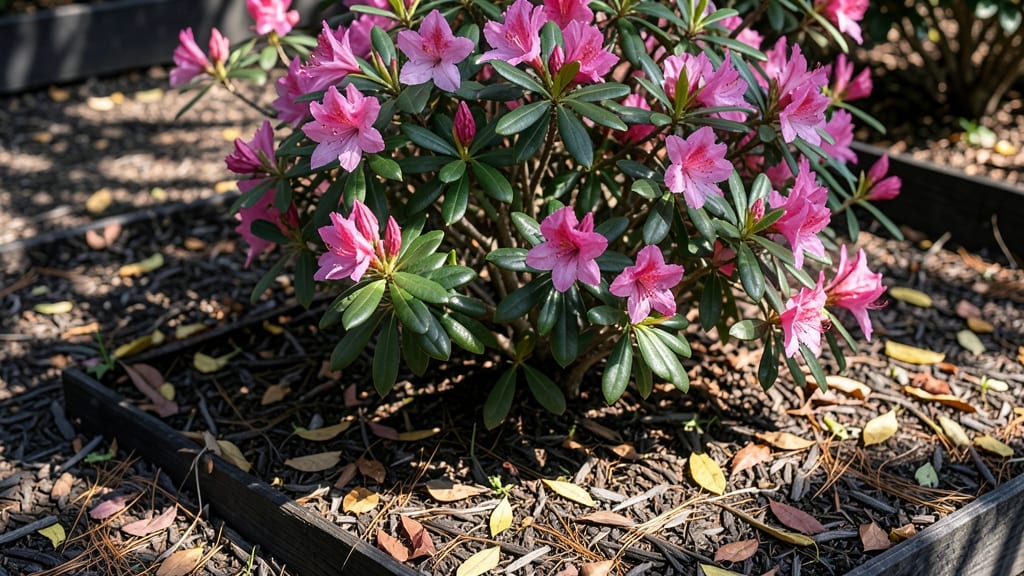
Azalea bushes thrive in partial shade to full shade—the key to those vibrant blooms 🌸 is avoiding harsh afternoon sun that can scorch their delicate leaves.
Picture this: your azalea bush sits in a spot that gets morning sun but stays shaded by midday. That’s the sweet spot for most varieties, yet many gardeners overlook how quickly too much direct light can turn leaves crispy or stunt flowering.
I’ve seen it happen more times than I can count, and the fix is simpler than you’d think.
This guide breaks down exactly how much sun or shade your azalea needs—whether you’re dealing with a dwarf variety in a container or a towering shrub in your landscape.
We’ll cover seasonal tweaks, like shielding from winter sunburn, and how to spot when your plant is begging for more shade (or light!).
By the end, you’ll know how to adjust your azalea’s environment for year-round blooms, no matter where you live. Let’s get started!
 Best Window Placement
Azalea sun vs shade requirements by variety: a light matching guide
Not all azaleas thrive under the same light conditions—some bask in morning sun while others hide in deep shade. Understanding your azalea’s sunlight tolerance is key to unlocking vibrant blooms and lush foliage.
The right light exposure can mean the difference between a healthy, flowering shrub and a struggling one. Let’s match your azalea variety to its perfect light spot.
Most azaleas prefer partial shade, but their tolerance varies widely. Some varieties handle morning sun beautifully, while others need protection from even gentle afternoon rays. Even within the same species, like Rhododendron hybrids, light needs can differ dramatically.
For example, 'Girard’s Pink' thrives in bright shade, while 'Hino Crimson' can tolerate more sun. Let’s break down the specifics for 10 popular varieties.
Here’s the critical insight: Sunlight intensity isn’t just about hours—it’s about timing. Harsh afternoon sun in summer can scorch leaves, while winter sun might be gentler. Even shade-loving varieties need some light to bloom.
Think of it like Goldilocks: too much sun burns them, too little starves them, and just right? That’s where the magic happens.
⚠️ Pro Tip: Always observe your azalea’s leaves. Yellowing leaves often signal too much sun, while sparse blooms or leggy growth mean it’s not getting enough light.
| Variety | Sunlight Needs | Ideal Light Conditions | Bloom Intensity | Notes |
|---|---|---|---|---|
| Rhododendron 'Girard’s Pink' | Partial Shade | Morning sun, afternoon shade | ⭐⭐⭐⭐⭐ (Bright pink blooms) | Tolerates 3-4 hours of morning sun; avoid hot afternoon exposure. |
| Rhododendron 'Broughton Star' | Deep Shade | Dappled light or filtered shade | ⭐⭐⭐⭐ (White star-shaped flowers) | Needs less than 3 hours of indirect light daily. |
| Rhododendron 'Hino Crimson' | Partial Sun/Shade | Morning sun or all-day dappled light | ⭐⭐⭐⭐⭐ (Deep red blooms) | Handles up to 5 hours of sun if humidity is high. |
| Rhododendron 'Catawbiense Grandiflorum' | Partial Shade | Morning sun, afternoon shade | ⭐⭐⭐⭐ (Large lavender blooms) | Native to mountainous regions—mimic cool, shaded conditions. |
| Rhododendron 'Nova Zembla' | Partial Sun | Morning sun, afternoon partial shade | ⭐⭐⭐⭐⭐ (Bright pink-red blooms) | Tolerates up to 6 hours of sun in cooler climates. |
| Rhododendron 'PJM' | Deep Shade to Partial Shade | Filtered light or shade from trees | ⭐⭐⭐ (Pale pink blooms) | Drought-tolerant but needs consistent moisture in shade. |
| Rhododendron 'Roseum Elegans' | Partial Shade | Morning sun, afternoon shade | ⭐⭐⭐⭐ (Soft pink blooms) | Classic English azalea—avoid direct afternoon sun. |
| Rhododendron 'George L. Taber' | Partial Sun | Morning sun, afternoon partial shade | ⭐⭐⭐⭐⭐ (Deep purple blooms) | Tolerates up to 4 hours of direct sun if soil stays moist. |
| Rhododendron 'Alice' | Deep Shade | Dappled light or dense shade | ⭐⭐⭐ (White blooms) |