
Planting
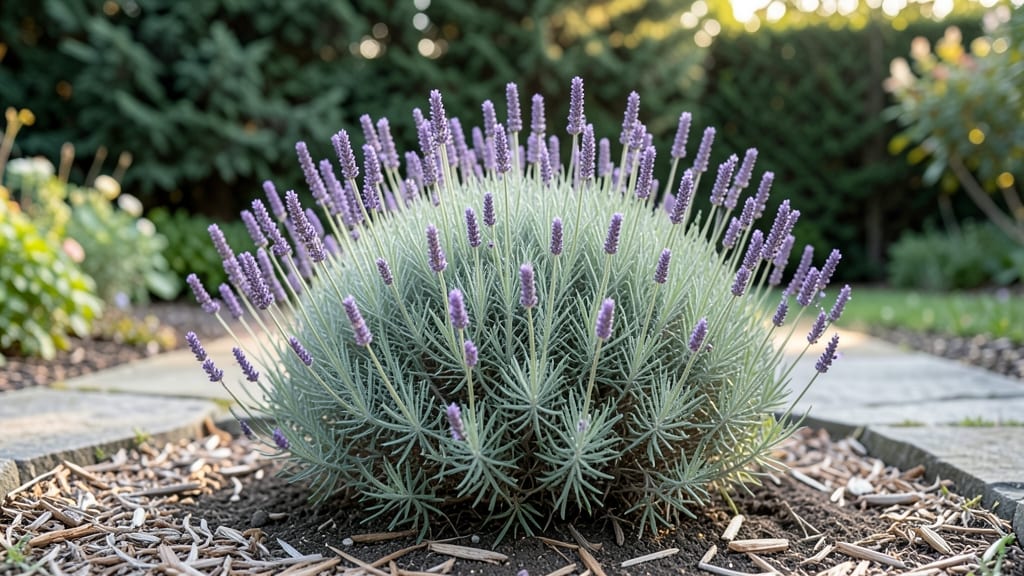
A lavender plant in shade thrives with patience—it may skip the showy blooms, but its silvery leaves and whisper-soft fragrance still steal the show. 🌿 I’ve coaxed shade-loving lavender through two summers, and while it won’t outshine its sun-drenched kin, the quiet rewards are worth the trade-off. still bring magic to shady corners.
The key? Matching soil, water, and variety to what lavender can tolerate in low light.
Start with well-draining soil—lavender hates soggy roots—and mix in sand or perlite if your shade spot holds moisture.
Water only when the top inch feels dry (overwatering is the fastest way to kill it), and choose shade-tolerant varieties like ‘Munstead’ or ‘Hidcote’, which handle partial shade better than standard types.
Even in shade, lavender needs at least 3-4 hours of morning sun to stay healthy, so position it near a window or along a north-facing wall.
Expect fewer blooms but lush, aromatic foliage—perfect for potpourri or drying. If growth stalls, prune lightly in spring to encourage new shoots, and fertilize sparingly (lavender prefers lean soil).
The trade-off? A garden corner that smells like Provence, even where sun struggles to reach. For full sun’s glory, though, nothing beats classic lavender—this is just the shade-friendly workaround.
Works best in containers (for better drainage) or along shady borders where other plants can’t survive. Try pairing it with ferns or hostas for a textured, fragrant contrast. Just don’t expect the dramatic spikes of sun-grown lavender—this is about scent and texture, not showy blooms.
📚 In This Guide
- What you need
- Instructions
- Tips and common mistakes
- Wrapping up and next steps
What you need
- ● Lavender plants: Choose English lavender (Lavandula angustifolia) or Spanish lavender (Lavandula stoechas)—both tolerate partial shade better than French varieties. Quantity: 3–5 plants for a small garden or 1 per 2–3 sq. ft. for larger spaces.
- ● Well-draining potting mix: A blend of 50% cactus/succulent mix and 50% perlite or coarse sand (avoid heavy garden soil!). Quantity: 1–2 gallons per plant.
- ● Containers (if not planting in-ground): Terracotta pots (best for drainage) or fabric grow bags, 12–16 inches deep with drainage holes. Quantity: 1 per plant.
- ● Slow-release fertilizer: A balanced 10-10-10 or low-nitrogen (5-10-10) formula to avoid leggy growth. Quantity: 1 tbsp per plant.
- ● Gloves & gardening shears (sterilized with rubbing alcohol).
- ● Trowel or small shovel for transplanting.
- ● Watering can with a rose attachment (for gentle, deep watering).
- ○ Mulch (optional but helpful): Gravel or pebbles (1–2 inches) to improve drainage and deter weeds.
- ○ Sunlight meter (optional): To confirm your shade spot gets 2–4 hours of indirect light daily.
Step-by-Step instructions for growing lavender in partial shade
Here's how to coax fragrant, healthy lavender even when full sun isn't an option.
🌱 Step 1: Select the Right Lavender Variety for Shade
Not all lavender thrives in partial shade—opt for English lavender (Lavandula angustifolia) or Grosso lavender, which tolerate 2-4 hours of morning sun with afternoon shade. Avoid Spanish lavender (Lavandula stoechas), which demands full sun. I always check the cultivar label before buying, as Munstead lavender handles shade better than Hidcote.
Look for established plants at a nursery rather than starting from seed, since seedlings often struggle to adapt to lower light conditions. If you must grow from seed, choose a shade-tolerant hybrid and expect slower growth. The key is matching the plant's natural light preferences to your site—lavender in deep shade will grow leggy and lose fragrance.
🪴 Step 2: Prepare Well-Draining Soil and Containers
Lavender despises soggy roots, so amend your soil with 50% coarse sand or perlite and 30% compost to create a gritty, fast-draining mix. For containers, use 6-8 inch pots with drainage holes and fill with a blend of potting soil, perlite, and coarse sand (2:1:1 ratio). I swear by terra cotta pots—they wick away excess moisture through the walls.
Test your soil's drainage by filling a pot with your mix and pouring water through it. If water pools at the bottom after 30 minutes, add more sand. Lavender roots need oxygen, not waterlogged conditions. In-ground plantings should be on a slight mound to improve drainage during rain.
☀️ Step 3: Position for Maximum Partial Shade
Place your lavender where it gets morning sun and afternoon shade—east-facing windows or north sides of buildings work well. Avoid deep shade under trees, as competition for nutrients will weaken the plant. If you must use containers, move them to a bright indoor spot (south-facing window) for 4-6 hours daily during winter.
Watch for leggy growth (long stems with sparse leaves)—this means your plant needs more light. Rotate containers quarter-turn weekly so all sides receive even light exposure. In containers, lavender grows more compactly than in-ground, so prune lightly after flowering to encourage bushiness.
💧 Step 4: Water Sparingly and Fertilize Lightly
Water lavender only when the top 2 inches of soil feel dry—overwatering is the fastest way to kill it. I use a drip irrigation system on low for containers to avoid soggy soil. In-ground plants need even less water; a 1-inch rainfall per week during growing season is ideal. Mulch with 1 inch of gravel (not organic mulch) to prevent soil moisture retention.
Fertilize once in early spring with a low-nitrogen, high-phosphorus fertilizer (5-10-10 ratio) to encourage blooms. Too much nitrogen makes lavender grow leafy but flowerless. I skip fertilizer entirely in containers unless the plant looks stressed, as lavender prefers lean soil. Yellowing leaves usually mean overwatering or too much fertilizer.
✂️ Step 5: Prune and Maintain for Long-Term Health
Prune lavender immediately after flowering to shape the plant and encourage next year's blooms. Cut back one-third of the current year's growth using clean, sharp shears. Never prune into old wood—this kills the plant. I always sterilize my shears with rubbing alcohol between cuts to prevent disease.
Divide mature lavender every 3-4 years in early spring to rejuvenate the plant. Dig up the root ball, separate into 3-4 inch sections, and replant. This prevents woody stems and keeps the plant vigorous. In containers, refresh the soil every 2-3 years with fresh potting mix to prevent nutrient depletion.
Tips & tricks for perfect lavender in partial shade
These subtle adjustments make all the difference when growing fragrant lavender without full sun.
Variety Selection: When choosing between English lavender varieties, Munstead is my top recommendation for shade—it handles partial light better than Hidcote while still producing those signature purple blooms. For containers, Grosso lavender's compact growth makes it ideal since it won't outgrow your pot's space. I've found that nursery-bought plants (not seeds) establish faster in lower light conditions, so invest in a healthy starter rather than gambling with seedlings.
Soil Science: The 30-minute drainage test in Step 2 is non-negotiable—if water pools after that time, your mix is too dense. For in-ground plantings, create a slight mound (about 2-3 inches high) to prevent water pooling at the base. In containers, I add an extra 20% perlite to the 2:1:1 ratio when planting in cooler climates, as cooler soils retain more moisture. Terra cotta pots are worth the investment—they naturally wick away excess moisture through their porous walls.
Light Optimization: That 4-6 hour daily light requirement during winter is crucial for containers. Place them on a south-facing windowsill or under a grow light on a timer (12 hours/day) if natural light is insufficient. I've seen lavender in deep shade stretch dramatically—rotate containers weekly to prevent uneven growth. For in-ground plants, position them where they get morning sun but afternoon shade from nearby structures or trees.
Pruning Precision: When you cut back one-third of the current year's growth in Step 5, focus on the top third of the stems rather than hacking randomly. Use sharp shears sterilized with rubbing alcohol to prevent bacterial spread between cuts. The goal is to maintain the plant's natural shape while encouraging new growth from the base. I always prune immediately after flowering to give the plant time to recover before winter.
Pro Tips for Lavender Plant In Shade
- These subtle adjustments make all the difference when growing fragrant lavender without full sun.
- Variety Selection: When choosing between English lavender varieties, Munstead is my top recommendation for shade—it handles partial light better than Hidcote while still producing those signature purple blooms.
- Soil Science: The 30-minute drainage test in Step 2 is non-negotiable—if water pools after that time, your mix is too dense.
Frequently asked questions
Can lavender survive in full shade?
While lavender can tolerate light shade, full shade (less than 3 hours of sunlight daily) will stress the plant. Expect slower growth, fewer flowers, and weaker fragrance. If your garden is shady, prioritize partial shade (4–6 hours of indirect light) for the best results.
How long does it take for lavender to adjust to shade?
Lavender is adaptable but may take 1–2 growing seasons to fully adjust to shadier conditions. During this time, monitor for signs of stress (yellowing leaves or leggy stems). If growth stalls, gradually increase light exposure or consider a more sun-tolerant variety like Lavandula angustifolia.
What’s the best alternative if lavender struggles in my shade?
If your shade is too deep, try these fragrant, low-light alternatives:
- Mint (thrives in shade, spreads quickly)
- Lemon balm (herbaceous, citrusy scent)
- Sweet woodruff (delicate, vanilla-like aroma)
- Heuchera (coral bells) (ornamental foliage + subtle fragrance)
Why is my shaded lavender turning yellow or dropping leaves?
Yellow leaves or leaf drop in shaded lavender usually signals root rot (from overwatering) or nutrient deficiency. Check soil moisture—lavender hates soggy roots! Ensure well-draining soil and reduce watering. A balanced low-nitrogen fertilizer (like 5-10-10) can also help revive it.
Will lavender still bloom in partial shade?
Yes, but expect fewer, smaller blooms than in full sun. To encourage flowering:
- Prune lightly after blooming to shape the plant.
- Use a phosphorus-rich fertilizer (like bone meal) to support blooms.
- Choose compact varieties (e.g., Lavandula ‘Munstead’) that tolerate shade better.
Wrapping up and next steps
Growing lavender in shade may seem tricky, but with the right partial shade care and a little patience, you can nurture a thriving, fragrant plant that brightens up even the shadiest corners of your garden! 🌿✨ Remember, the key is choosing the right variety, ensuring well-draining soil, and providing just enough light to keep those purple blooms happy.
Ready to give it a try? Start by picking a spot that gets at least 3-4 hours of morning sun and experiment with different lavender types to see what flourishes best in your space. Happy gardening!