
Companion Plants
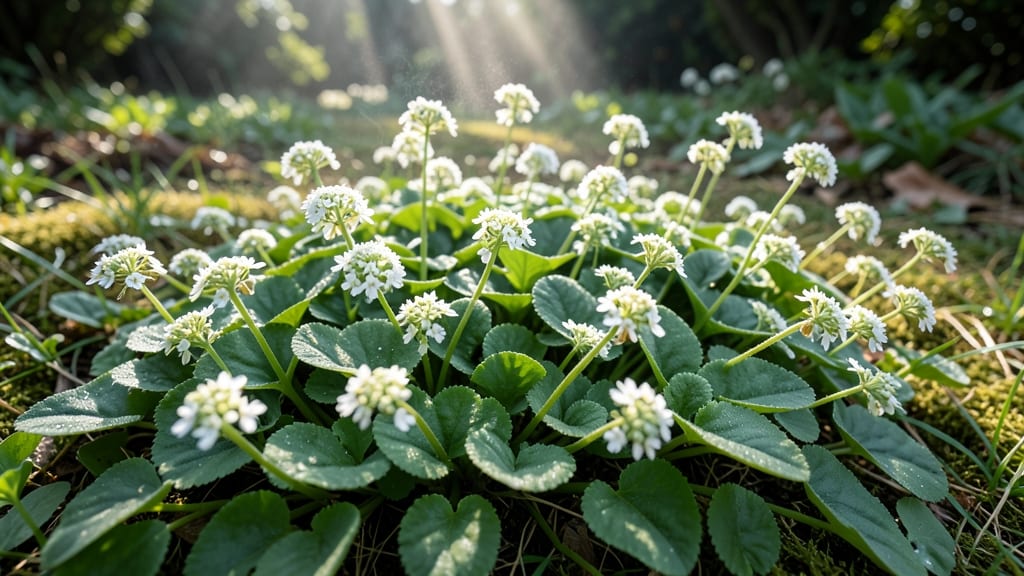
Struggling to find perennials that flourish in semi-shade? These 10 low-maintenance plants not only survive but thrive in dappled sunlight, adding texture, color, and life to your garden with minimal effort. Perfect for under trees, north-facing borders, or wooded edges.
Hostas for Lush Green Ground Cover

If you’ve ever walked through a shady garden and marveled at the vibrant green carpets under trees, chances are those were hostas—the unsung heroes of low-maintenance foliage. These perennial workhorses thrive in semi-shade where other plants struggle, making them the perfect solution for areas with poor soil or dappled sunlight.
Hostas come in a stunning range of sizes and leaf colors, from classic deep green to striking variegated patterns with blue, gold, or purple edges. They’re drought-tolerant once established and require little more than occasional division every 3–4 years to keep them vigorous. Plant them in clusters for instant ground cover under trees, along foundations, or in woodland garden settings where their lush foliage creates a calming, natural look.
For beginners and busy gardeners, hostas are a dream—no deadheading, no staking, and no fuss. Their ability to spread quietly over time means you’ll get more impact with each passing season. 🌱
Astilbe for Feathery Summer Blooms

If you crave summer blooms that feel like a breath of fresh air in shady spots, astilbe is your answer. These delicate, feathery plumes in pink, white, or red bring vertical drama to borders and containers without demanding full sun—ideal for urban gardens, woodland edges, or under trees.
Thriving in moist, semi-shady conditions, astilbe prefers well-draining soil enriched with compost. Deadhead spent blooms to encourage more flowers, and divide clumps every 3–4 years to maintain vigor. Varieties like 'Fanal' (deep pink) or 'Deutschland' (white) add height (18–36 inches) and texture, making them perfect for cutting gardens too.
Urban gardeners and small-space enthusiasts will love how astilbe fills gaps while attracting butterflies. Pair it with hostas or ferns for a layered, low-maintenance shade combo. 🌟
Hellebores for Early Winter Interest

When your garden looks like a blank canvas in late winter, hellebores step in to paint the first strokes of color. These evergreen perennials defy the season with their late winter to early spring blooms, offering delicate flowers in shades of white, pink, purple, and green when most plants are still dormant.
What makes them stand out? Drought-tolerant once established and deer-resistant, they thrive in semi-shade conditions with minimal care. Plant them in well-draining soil under trees or along shady borders, where they’ll reward you with year-round interest—even their foliage adds texture to winter landscapes. Their nodding blooms also attract early pollinators, giving your garden a head start on the growing season.
Perfect for gardeners who want low-maintenance beauty without sacrificing impact, hellebores are the unsung heroes of the shade garden. 🌷
Ferns for Elegant Textured Foliage

Skip the flowers—sometimes, the most dramatic foliage comes from plants that never bloom. Ferns like maidenhair and ostrich fern turn semi-shady spots into lush, textured canvases, perfect for creating a woodland or tropical escape without needing sunlight.
These perennials thrive in dappled shade and moist, well-draining soil, making them ideal for understory plantings or shady borders. Maidenhair fern, with its delicate, lace-like fronds, adds a fine-textured contrast, while ostrich fern brings bold, architectural height. Mulch with leaf litter or pine needles to mimic their natural forest floor habitat.
Urban gardeners and woodland enthusiasts will love how ferns soften hard edges and fill gaps—plus, they’re low-maintenance once established. Add them to your semi-shade garden for year-round elegance. 🌿
Coral Bells for Season-Long Color

Looking for a perennial powerhouse that delivers both striking foliage and summer blooms in partial shade? Coral bells (Heuchera) are the answer—these versatile plants offer foliage in purple, green, or silver hues that stay vibrant all season, topped with delicate flowers in spring or summer.
Thriving in partial shade to full sun, coral bells adapt to almost any well-draining soil and prefer moderate moisture (though some varieties tolerate drought once established). Their compact size (12–24 inches tall) makes them ideal for borders, rock gardens, or container plantings, where their colorful foliage creates bold contrast against hostas or ferns. Prune spent flower stalks to encourage more foliage growth, and divide clumps every 3–4 years to keep them vigorous.
Perfect for urban gardeners with limited space or woodland gardeners seeking year-round interest, coral bells bring low-maintenance drama without sacrificing beauty. 🌻
Bleeding Heart for Romantic Spring Blooms

When you crave a garden that feels like a fairy tale, bleeding heart (Dicentra spectabilis) delivers with its cascading clusters of heart-shaped pink or white flowers that appear to "bleed" down arching stems in spring. Unlike other shade perennials, this plant offers a whimsical, almost magical quality that transforms shady corners into romantic focal points.
Plant bleeding heart in partial to full shade with rich, moist, well-draining soil—ideal for woodland gardens, under trees, or along north-facing foundations. Its fern-like foliage provides year-round interest, while the 4-6 week spring bloom (March–May in most climates) attracts hummingbirds and butterflies. After flowering, the leaves turn yellow and die back, giving you a chance to divide clumps every 3–4 years to maintain vigor.
Perfect for cottage gardeners, woodland enthusiasts, and anyone who loves a touch of nostalgia, bleeding heart pairs beautifully with hostas, ferns, and hellebores. Its delicate charm makes it a standout for container gardens too—just be sure to stake taller varieties to prevent flopping. 🌷
Japanese Painted Fern for Unique Patterns

Want to add a dramatic focal point to your semi-shade garden without relying on flowers? The Japanese painted fern (Athyrium niponicum var. pictum) delivers striking silver-and-green fronds that create architectural interest from spring through fall. Unlike typical ferns, its bold foliage patterns make it a standout in borders, containers, or woodland gardens.
This moisture-loving perennial thrives in semi-shady spots with well-draining soil, making it perfect for understory plantings or near ponds. Its compact, mounding habit (12–18 inches tall) pairs beautifully with hostas (for lush contrast) and astilbes (for soft plumes). For extra drama, plant it in odd-numbered clusters—three or five plants create a natural focal point that draws the eye.
Ideal for gardeners who love textural contrast and low-maintenance perennials, this fern adds year-round structure with minimal care. Just keep the soil consistently moist (but not soggy) and protect it from harsh winter winds. 🌿
Lungwort for Medicinal Beauty

If you’re drawn to gardens that feel like a breath of fresh air—both for your eyes and your soul—lungwort (Pulmonaria) is the perfect addition. This underrated perennial combines silver-spotted foliage with delicate blue spring flowers, creating a two-season show that’s as practical as it is pretty. Its ability to attract pollinators early in the year makes it a quiet hero for wildlife too.
Thriving in partial to full shade, lungwort adapts to almost any soil as long as it’s well-draining, making it ideal for woodland gardens, cottage-style borders, or understory plantings. The foliage develops silver spots that fade to green as summer progresses, while the blue or pink blooms (depending on the variety) appear in late winter to early spring, often before many other perennials wake up. Deadhead spent flowers to encourage more blooms, and divide clumps every 3–4 years to keep them vigorous. Its low-maintenance nature and medicinal history (used traditionally for respiratory health) add a layer of intrigue for gardeners who love plants with stories.
Cottage gardeners and woodland enthusiasts will adore how lungwort blends seamlessly into naturalized areas, while its early blooms provide a splash of color when most gardens are still dormant. Pair it with hellebores or ferns for a layered, low-fuss shade combo that feels effortlessly wild. 💚
Solomon’s Seal for Arching Grace

Tired of flat, static garden borders? Solomon’s Seal (Polygonatum) brings dynamic movement to your semi-shade garden with its graceful, arching stems that sway gently in the breeze. Unlike rigid shrubs or sprawling ground covers, this perennial creates natural curves and layers, perfect for softening hard edges or framing pathways.
Thriving in partial shade to full shade, Solomon’s Seal produces delicate, bell-shaped white or pale green flowers in late spring, followed by clusters of shiny blue-black berries that add winter interest. Its low-maintenance nature makes it ideal for busy gardeners—just divide clumps every 4–5 years to prevent overcrowding. Plant it along fences, under trees, or in woodland gardens where its height (2–4 feet) adds vertical structure without competing for light.
Perfect for cottage gardeners and woodland enthusiasts, Solomon’s Seal pairs beautifully with hostas, ferns, and hellebores, creating a lush, layered look. Its deer-resistant qualities make it a practical choice too. 💚
Sweet Woodruff for Fragrant Ground Cover

If you’ve ever wandered through a shady garden and caught a whiff of fresh hay or vanilla, chances are you were near sweet woodruff (Galium odoratum). This fragrant ground cover spreads gently to create a living carpet of tiny white star-shaped flowers in spring, releasing its signature scent when brushed against—ideal for pathways, understory plantings, or as a living mulch.
Thriving in partial to full shade, sweet woodruff adapts to almost any soil as long as it’s well-draining. It’s deer-resistant and spreads quickly but stays low (4–6 inches tall), making it perfect for suppressing weeds while adding texture. For best results, shear back foliage after flowering to encourage denser growth, and divide clumps every 3–4 years to maintain vigor.
Woodland gardeners and cottage-style enthusiasts will love how sweet woodruff fills gaps without competing with taller perennials. Its year-round evergreen foliage (in mild climates) and intoxicating fragrance make it a sensory delight—plus, it’s non-invasive if kept in check. 💚