
Shrubs
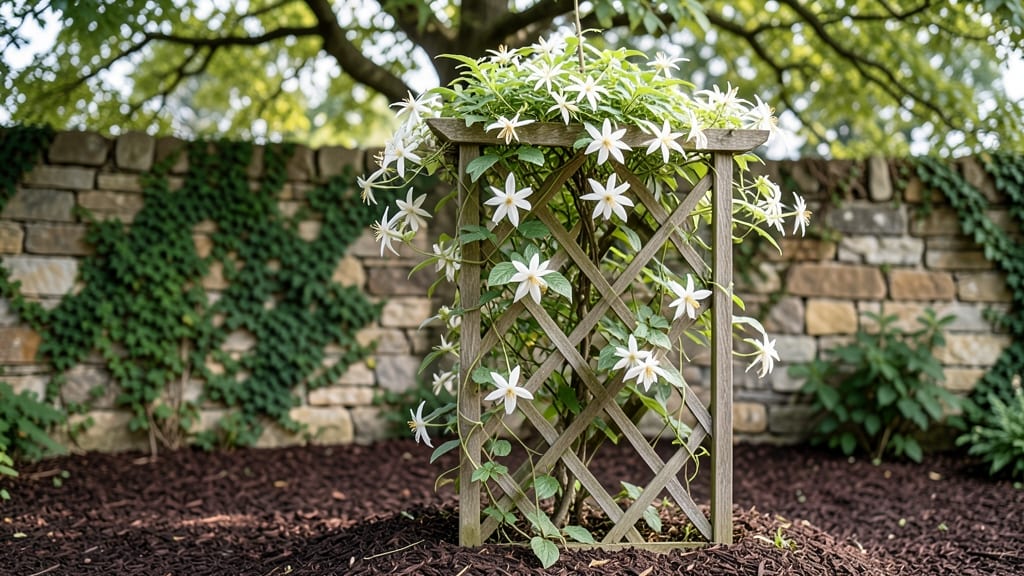
Growing clematis in the shade unlocks a world of vibrant blooms where others fail. 🌿 I've turned my dimly lit garden corner into a lush display by choosing the right varieties and giving them exactly what they need—no direct sun required.
The key starts with selecting shade-tolerant types like 'Jackmanii' or 'Nelly Moser,' which thrive where others wilt.
Your soil should be rich, well-draining, and consistently moist—think of it as a cozy blanket for roots. Amend with compost before planting, and water deeply 2-3 times per week during dry spells.
Mulch helps retain moisture while keeping roots cool. The real secret? Planting near a north-facing wall or under tall trees creates perfect dappled light conditions.
Pruning becomes simpler in shade: focus on light shaping in early spring rather than heavy cuts. You'll see fresh growth pushing through by late May, with blooms appearing by summer. The foliage stays lush and green, and those flowers? They pop against the darker backdrop like jewel-toned surprises.
Pair with hostas or ferns for a woodland garden feel, or let them climb a trellis near a patio. Just watch for root rot—shady spots can stay too wet. The payoff? A garden corner that blooms beautifully without competing for sunlight. Ready to transform that shady spot?
📚 In This Guide
- What you need
- Instructions
- Tips and common mistakes
- Wrapping up and next steps
What you need
- ● Clematis plants: Choose shade-tolerant varieties like Clematis montana, Clematis armandii, or Clematis viticella (3–5 plants, depending on desired coverage).
- ● Well-draining soil: 5–10 bags of peat-free potting mix or compost (enhance with perlite or coarse sand for aeration).
- ● Organic mulch: 2–3 cubic feet of wood chips or shredded bark to retain moisture and regulate temperature.
- ● Support structure: 1–2 trellises, obelisks, or sturdy stakes (6–8 ft tall, with mesh or lattice for climbing).
- ● Slow-release fertilizer: 1–2 lbs of balanced 10-10-10 or organic bloom booster (apply at planting and mid-season).
- ● Watering can or hose: With a gentle spray nozzle (avoid overhead watering to prevent fungal issues).
- ● Garden trowel (for planting and soil amendments).
- ● Pruning shears (sharp, bypass-style for clean cuts).
- ● Gloves (gardening or cut-resistant for thorny varieties).
- ● Measuring tape (to space plants 3–6 ft apart, depending on variety).
- ○ pH test kit (optional but helpful—clematis prefers 6.0–7.0).
- ● Shade cloth (30–50% coverage) for newly planted clematis in deep shade.
- ● Epsom salt (1 tbsp per plant monthly) for magnesium boost (great for foliage health!).
- ● Mulch rings (to keep mulch in place and prevent soil splatter on blooms).
- ● Drip irrigation system (for consistent moisture in dry shade).
- ● Fungal preventative spray (e.g., neem oil or copper fungicide) for humid climates.
Step-by-step guide to growing clematis in shaded gardens
Here's how to coax vibrant blooms from clematis even when sunlight is limited.
🌱 Step 1: Select the Right Shade-Tolerant Varieties
Not all clematis thrive in shade, but varieties like 'Jackmanii', 'Niobe', and 'Perle d'Azur' perform beautifully with 4-6 hours of dappled light daily. These cultivars have adapted to lower light conditions while still producing abundant flowers. I always check the plant tag for shade tolerance—some labeled "partial shade" actually need more light than others.
For deeper shade (under 3 hours of light), opt for clematis with darker foliage like 'Mme. Julia Correvon' or 'Etoile Violette'. These varieties focus energy on foliage growth rather than blooms, but their lush vines still create stunning vertical interest. Avoid early-blooming types—they need full sun to set buds properly.
🪴 Step 2: Prepare the Planting Site with Rich, Moist Soil
Clematis in shade demand well-draining but moisture-retentive soil—amend your garden bed with 3-4 inches of compost mixed into the top 12 inches of soil. I like to add a handful of leaf mold for extra organic matter, as it mimics the forest floor conditions these shade-lovers prefer. The goal is soil that holds moisture without becoming soggy.
Plant your clematis 6-12 inches deep, burying ⅓ to ½ of the stem below soil level. This encourages strong root development and prevents the plant from toppling in wind. I always mark the planting depth with a stake so I don't accidentally bury it deeper later. Water thoroughly after planting to settle the soil around the roots.
☀️ Step 3: Provide Supplemental Light and Airflow
Even shade-tolerant clematis benefit from artificial light if your garden receives less than 4 hours of natural light. Position a full-spectrum LED grow light about 12-18 inches above the plant for 6-8 hours daily during spring and summer. I use a timer to automate this—consistent light prevents leggy growth and encourages blooming.
Ensure good airflow by spacing plants 3-5 feet apart and pruning nearby foliage that might block light. I always prune competing growth from surrounding shrubs to let light reach the clematis vines. In dense shade, you'll notice new growth leaning toward any available light—this is your cue to adjust plant placement or add supplemental lighting.
💧 Step 4: Water and Fertilize for Shade Conditions
Shade-loving clematis need consistent moisture—water when the top 2 inches of soil feel dry to the touch. I use a soaker hose to deliver water slowly at the base, avoiding wetting the foliage to prevent fungal issues. Mulch with 2-3 inches of shredded bark to retain moisture and regulate soil temperature.
Feed with a balanced, slow-release fertilizer (10-10-10) in early spring, then switch to a low-phosphorus formula (like 5-10-10) after blooming to encourage foliage growth. I avoid high-nitrogen fertilizers—they promote leafy growth at the expense of flowers. Watch for yellowing leaves, which often signal overwatering or nutrient imbalance in shaded conditions.
✂️ Step 5: Prune Strategically for Shaded Growth Habits
Shade-grown clematis typically produce fewer blooms, so I focus pruning on removing dead or weak stems and thinning crowded growth to improve airflow. For non-flowering varieties, prune in late winter to shape the plant and encourage new shoots. For flowering types, prune immediately after blooming to maintain next year's flower buds.
Never cut back more than ⅓ of the plant in a single season—this stresses shade-adapted clematis. I always prune with clean, sharp shears and sterilize them with rubbing alcohol between cuts to prevent disease spread. If you notice excessive dieback, it may signal root rot from overwatering in the shaded, slower-draining soil.
Tips & tricks for thriving clematis in shaded gardens
Mastering shade-loving clematis reveals how even low-light conditions can yield stunning results—here's how to elevate your success.
Variety Selection Insight: When choosing between 'Jackmanii' or 'Perle d'Azur' for your 4-6 hours of dappled light, consider bloom timing. 'Jackmanii' produces abundant flowers later in the season, while 'Perle d'Azur' offers earlier blooms but with slightly smaller flowers. I've found that planting both varieties creates a cascading bloom effect throughout summer. For deeper shade conditions (under 3 hours of light), 'Mme. Julia Correvon' becomes your best bet—its deep purple foliage creates dramatic contrast even without abundant flowers.
Soil Preparation Strategy: The 3-4 inches of compost mixed into the top 12 inches of soil creates the perfect moisture balance, but don't stop there. I recommend adding a 1-inch layer of coarse sand to improve drainage in heavier clay soils common to shaded areas. This prevents that dreaded root rot while maintaining moisture retention. After planting, press a small wooden stake into the soil at the exact planting depth (6-12 inches) as a visual marker—this prevents accidental over-burying during future watering.
Light Supplementation: When setting up your full-spectrum LED grow light 12-18 inches above the plant for 6-8 hours daily, position it to cover the entire vine length, not just the top. Clematis grows vertically, and lower leaves need light too. I use a simple string of LED bulbs with adjustable arms to create a canopy effect. For container-grown clematis, rotate the pot weekly to ensure even light exposure—this prevents lopsided growth toward the light source. Remember, the goal is to mimic natural dappled light patterns, not create harsh artificial sunlight.
Pruning Precision: The rule about never cutting back more than ⅓ of the plant in a single season applies, but timing matters too. For flowering varieties, prune immediately after blooming to maintain next year's flower buds—this is when the plant is actively storing energy for future growth. I always make my final pruning cut just above a leaf node (the small bump where leaves attach) to encourage new growth from that point. For non-flowering varieties, late winter pruning (before new growth begins) gives you more control over the plant's shape and size.
Pro Tips for Clematis In The Shade
- Mastering shade-loving clematis reveals how even low-light conditions can yield stunning results—here's how to elevate your success.
- Variety Selection Insight: When choosing between 'Jackmanii' or 'Perle d'Azur' for your 4-6 hours of dappled light, consider bloom timing.
- Soil Preparation Strategy: The 3-4 inches of compost mixed into the top 12 inches of soil creates the perfect moisture balance, but don't stop there.
Frequently asked questions
Got questions about growing clematis in the shade? You’re not alone! Here are answers to the most common queries—so you can enjoy stunning blooms without the sun stress.
Can clematis really thrive in full shade?
Yes! While most clematis prefer partial shade (morning sun + afternoon shade), varieties like Clematis montana or Clematis armandii tolerate full shade. Just ensure 6+ hours of bright, indirect light—deep shade (e.g., under dense trees) may limit blooms. Pair with hostas or ferns for a lush understory combo!
How long does it take for shade-loving clematis to bloom?
Patience pays off! Most shade-tolerant clematis take 2–3 years to establish and bloom. Early bloomers (like Clematis macropetala) may flower in the first year, but expect full vigor by year three. Prune wisely—skip heavy cuts until you see established growth to avoid stunting progress.
What’s the best shade clematis for small gardens?
Space-saving picks include:
- Clematis ‘Jackmanii’ (compact, purple blooms; tolerates light shade)
- Clematis ‘Niobe’ (dark red, thrives in dappled shade)
- Clematis ‘Freckles’ (small, fragrant white flowers; great for containers)
For containers, choose miniature varieties (e.g., Clematis ‘Lagoon’) and ensure well-draining soil.
Why aren’t my shade clematis blooming?
Common culprits:
- Insufficient light: Move to a sunnier spot (even filtered light helps).
- Over-pruning: Shade clematis often bloom on old wood—prune minimally after flowering.
- Poor soil: Amend with organic matter (compost/peat) and ensure moisture retention.
- Nutrient deficiency: Feed with balanced fertilizer (10-10-10) in early spring.
Pro tip: If blooms appear but drop quickly, check for aphids or powdery mildew—common in humid shade.
Do shade clematis need extra care during winter?
Most shade-tolerant clematis are hardy to USDA Zone 4, but young plants or tender varieties (e.g., Clematis ‘Durandii’) benefit from:
- Mulching with straw or leaves (3–4 inches) to insulate roots.
- Avoiding wet winter soil—ensure good drainage to prevent rot.
- Light winter pruning (only to remove dead wood) in late winter.
Exception: Clematis montana often blooms on old wood, so prune after flowering (late spring).
Wrapping up and next steps
Growing clematis in the shade isn’t just possible—it’s a rewarding way to add vibrant color and lush texture to your garden’s darker corners! 🌿 With the right variety, proper soil prep, and a little patience, you’ll enjoy stunning blooms even where sunlight is scarce.
Remember, the key is choosing shade-tolerant types and giving them the support they need to thrive.
Ready to transform your shady spots? Start by selecting a clematis that fits your light conditions, then follow the care tips shared here. Before you know it, your garden will be bursting with romantic, climbing beauty—no direct sun required!