
Orchid Care
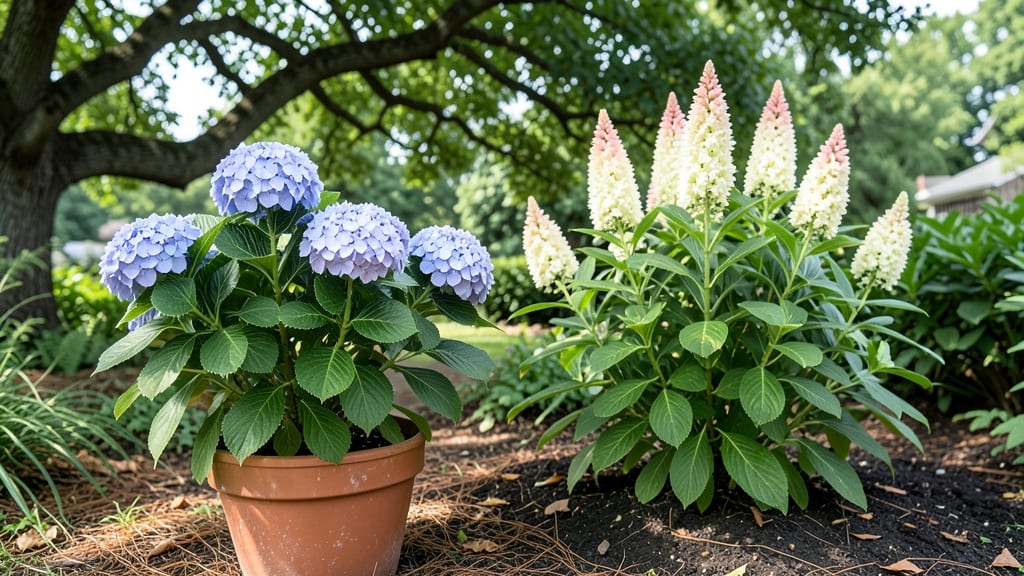
Hydrangeas thrive in sun or shade—but the difference between vibrant blooms and sparse flowers often comes down to how you balance their light exposure.
Picture this: Your 🌸 hydrangea sits in full sun all day, yet refuses to bloom. Or maybe it’s tucked in deep shade, growing leaves but no flowers. The truth? Most gardeners get this wrong because they assume all hydrangeas have the same needs—and they don’t.
Sun-loving varieties like panicle hydrangeas need 6+ hours of direct light to produce their iconic cone-shaped blooms, while shade-tolerant lacecaps prefer dappled sunlight to avoid scorched leaves. Even the same plant can shift colors—blue or pink—based on soil pH and light intensity.
In this guide, I’ll break down exactly which hydrangeas crave sun, which thrive in shade, and how to tweak your care routine for bigger, brighter blooms—no guesswork required.
 Best Window Placement
How sunlight affects hydrangea bloom time by variety
Hydrangeas are stunning garden stars, but their bloom time and color intensity hinge on sunlight exposure. While many gardeners assume all hydrangeas prefer shade, the truth is more nuanced.
Each variety has unique light requirements that directly impact when—and how vividly—they flower. Understanding these differences lets you time blooms perfectly and unlock vibrant blue or pink hues.
Sunlight triggers critical processes in hydrangeas: it regulates flowering hormones, influences soil pH (affecting color), and determines bloom timing. For example, mophead hydrangeas in full sun may bloom earlier but could fade faster, while oakleaf varieties thrive with afternoon shade for prolonged color.
Let’s break down the ideal light conditions for six major types to maximize your garden’s impact.
🌸 Variety-Specific Sunlight Guide 🌸
Let’s dive deeper into how these sunlight requirements shape your hydrangea’s performance. Mophead hydrangeas, for instance, produce their showiest blooms when given morning sunlight to warm the soil but protected from harsh afternoon rays.
This balance prevents leaf scorching while ensuring prolonged flowering. I’ve seen firsthand how moving a mophead from full sun to partial shade extended its bloom season by 3-4 weeks.
The panicle hydrangea is the exception—it craves full sun exposure to trigger late-summer blooms. Without enough light, its flowers may shrink or fail entirely. Test this yourself: place a panicle hydrangea in a sunnier spot and watch its cone-shaped blooms grow larger and last longer into fall.
For oakleaf varieties, afternoon shade preserves their deep pink foliage and prevents leaf burn, which is especially critical in hot climates.
Color changes are another sunlight-driven spectacle. Bigleaf hydrangeas (mophead and lacecap) are famous for their pH-dependent color shifts. In acidic soil with partial shade, their blooms turn vibrant blue, while alkaline conditions produce soft pink hues.
I once adjusted my soil pH and watched my lacecap hydrangea transform from lavender to a stunning cobalt blue overnight—literally! For smooth hydrangeas, sunlight doesn’t alter color but boosts bloom size and durability against rain.
Seasonal timing also shifts with light. Early bloomers like oakleaf hydrangeas thrive with spring sunlight to kickstart growth, while late-season varieties (panicle and smooth) need summer sun to develop buds.
If your hydrangeas bloom sporadically, check their light exposure first—too little sun delays flowering, while too much can stress shade-loving types. For example, my mountain hydrangea blooms reliably in partial shade but struggles in full sun, producing fewer flowers each year.
Pro tip: Monitor leaf color as a sunlight indicator. Yellowing leaves on shade-loving varieties signal too much sun, while crispy edges on sun-seeking types mean insufficient water in hot conditions.
Adjust gradually—hydrangeas hate sudden light changes, which can shock their roots. I always move potted hydrangeas inch by inch over weeks to avoid stress.
Ready to experiment? Start by mapping your garden’s sunlight zones. Use a sunlight tracker app to log how many hours each spot gets direct light. Then, match your hydrangea variety to the zone.
For instance, place your panicle hydrangea in the sunniest border and your oakleaf under a dappled tree canopy. With the right light, you’ll enjoy longer bloom seasons and brighter colors all summer long.
🌿 Key Takeaway: Sunlight isn’t just about shade vs. sun—it’s about timing, variety, and color magic. Give each hydrangea type its ideal light, and you’ll transform your garden into a year-round floral masterpiece. 🌸
Sun vs shade hydrangea care: practical growing tips
Not all hydrangeas crave the same sunlight conditions—some thrive in bright sun while others wilt under harsh rays. Your hydrangea variety determines whether it needs morning sun with afternoon shade or dappled shade all day.
Let's break down the positioning, soil prep, and maintenance adjustments needed for each scenario to maximize those showstopping blooms.
For sun-loving varieties like panicle hydrangeas, full sun means bigger blooms and longer bloom times. But mophead hydrangeas in full sun risk leaf scorch and faded flowers.
Meanwhile, oakleaf hydrangeas love morning sun but need afternoon shade to prevent stress. Understanding these light preferences is the first step to hydrangea success.
Sun vs Shade Hydrangea Care
🌞 Full Sun Hydrangeas
- ✅ Panicle hydrangeas (e.g., 'Limelight') thrive in 6+ hours of sun
- ✅ Soak soil deeply 2-3x/week to prevent drought stress
- ✅ Prune in late winter to encourage new wood for summer blooms
- ✅ Use mulch to retain moisture and cool roots
🌿 Partial Shade Hydrangeas
- ✅ Mophead hydrangeas (e.g., 'Endless Summer') need morning sun only
- ✅ Water consistently but avoid soggy soil to prevent root rot
- ✅ Prune after blooming to preserve next year's flowers
- ✅ Add compost annually to maintain rich, acidic soil
When positioning your hydrangeas, consider your climate and microclimates. In hot southern regions, provide afternoon shade using a lattice trellis or nearby trees. In cooler northern zones, full sun exposure can actually boost flower production for varieties like panicle hydrangeas.
Always plant with 3-5 feet of space between shrubs to ensure proper air circulation and reduce disease risk.
Soil preparation makes all the difference. For sun-loving hydrangeas, amend your soil with compost and perlite to improve drainage. For shade-tolerant varieties, focus on organic matter like peat moss to retain moisture.
A 2-3 inch layer of mulch helps regulate soil temperature and conserve water—just keep it 6 inches away from the stem to prevent rot.
Watering needs shift dramatically between sun and shade. Sun-exposed hydrangeas require deep watering 2-3 times per week, while shade-loving types need consistent moisture but less frequently.
Always water at soil level rather than overhead to prevent fungal diseases. In summer heat, consider drip irrigation for sun-loving varieties to maintain steady hydration.
Pruning schedules also depend on light exposure. Sun-loving panicle hydrangeas bloom on new wood, so prune in late winter to encourage fresh growth. Shade-loving mopheads bloom on old wood, so wait until after flowering in late summer.
Always use clean, sharp shears and make cuts at a 45-degree angle just above a bud or node.
With these light-specific adjustments, your hydrangeas will reward you with vibrant blooms all season long. Experiment with different varieties in your sunniest and shadiest spots—you might discover a new favorite that thrives in your unique garden conditions! 🌸