
Flowers
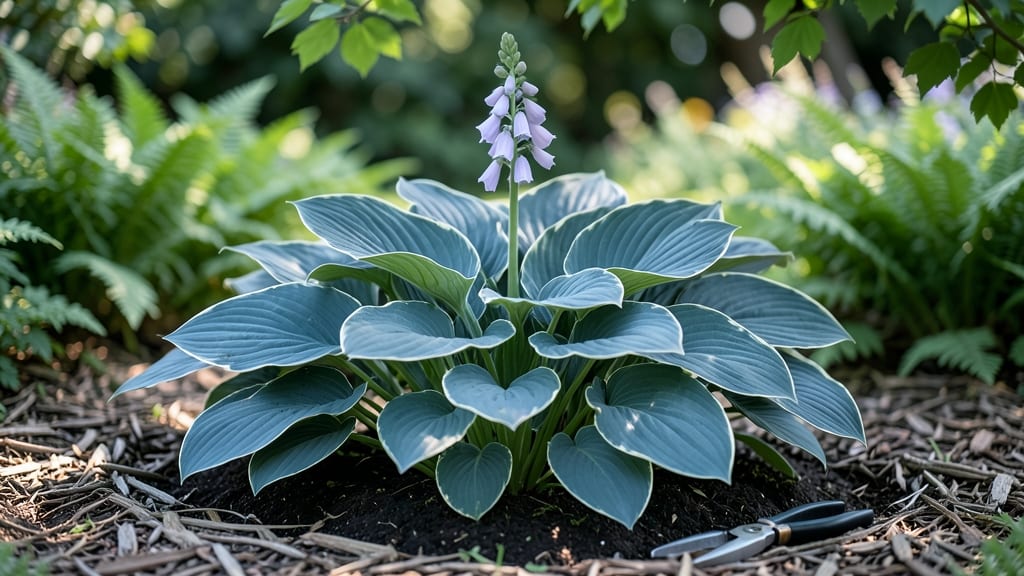
These flowers that prefer shade prove that bold blooms don’t need sun to shine—just dappled light and a little patience. 🌿 I’ve filled my woodland garden with plants that thrive under trees, some even growing better in low light than in full sun.
The key is choosing varieties that match your shade level, from deep woodland to filtered light, and giving them the right soil and water. These flowers demand little but deliver big: impatiens burst with color, astilbes add feathery texture, and hostas provide lush foliage.
Most prefer moist, well-draining soil and regular watering, though some like ferns tolerate drier conditions once established. A mulch layer keeps roots cool and retains moisture, cutting back on maintenance. By summer’s end, your shady spots will be a vibrant, low-stress oasis—no wilting, no fading, just reliable blooms.
The best part? These plants attract pollinators just as effectively as sun-lovers, proving shade gardens can be just as lively. Whether you’re working with a north-facing yard, a dense tree canopy, or a shady patio, these shade specialists adapt effortlessly. Let’s pick the perfect plants for your light conditions!
📚 In This Guide
- What you need
- Instructions
- Tips and common mistakes
- Wrapping up and next steps
What you need
- ● Shade-tolerant flower plants: 3–5 Impatiens (for vibrant, long-lasting blooms)
- ● 2–3 Hosta (for lush foliage and occasional flowers)
- ● 1–2 Bleeding Heart (for delicate, heart-shaped blooms)
- ● 1 Astilbe (for feathery, cloud-like flowers)
- ● 1 Lungwort (for unique spotted foliage and spring blooms)
- ● Potting soil: 1–2 bags (5–10 gallons) of well-draining, peat-based or organic potting mix (avoid heavy clay soil)
- ● Containers or garden bed: Containers: 5–10 gallon pots with drainage holes (1–2 per plant)
- ● Garden beds: Amended soil with compost (1–2 cubic yards for a 4’x4’ area)
- ● Mulch: 1–2 bags of organic mulch (e.g., shredded bark or pine needles) to retain moisture
- ● Fertilizer: Slow-release balanced fertilizer (10-10-10) or organic options like composted manure
- ● Watering can or hose: With a gentle spray nozzle for even moisture
- ● Gloves & trowel: For easy planting and soil handling
- ● Soil moisture meter (to monitor watering needs)
- ● Slow-release fertilizer spikes (for containers)
- ● Decorative stones or pebbles (for a polished look in containers)
- ● Shade cloth (if your area gets partial shade with some direct sun)
- ● Plant labels (to track varieties and care needs)
How to select and plant flowers that thrive in shady spots
Here's how to transform dim corners into vibrant displays using shade-loving blooms.
🌱 Step 1: Choose the Right Shade-Tolerant Flowers
Start with varieties proven to thrive in low to moderate light—think hostas, impatiens, ferns, and astilbes. I always check the plant tag for terms like "partial shade" or "full shade" before buying. Hostas, for example, handle 4-6 hours of dappled light beautifully, while impatiens bloom best in filtered light with no direct sun. Avoid sun-lovers like marigolds or sunflowers—they'll wilt faster than a wilting houseplant.
For bold color, mix bleeding hearts (pink or white blooms) with heucheras (purple or silver foliage). These combinations create visual impact even in dim spaces. I like to sketch a rough layout first to ensure taller plants (like astilbes) don't shade out smaller ones (like ajugas). This prevents leggy growth and maximizes bloom time.
🪴 Step 2: Prepare the Soil for Moisture-Retentive Growth
Shade plants hate dry soil, so amend your garden bed with 2-3 inches of compost mixed into the top 6 inches of soil. I use a 50/50 blend of garden soil and peat moss for extra moisture retention. Test the soil's drainage—if water pools after 30 minutes, add sand or perlite to improve airflow. Shady spots often stay damp, and soggy roots lead to rot.
Work in a slow-release fertilizer (like 10-10-10) at planting time to give roots a nutrient boost without burning tender foliage. I scatter granules around the planting hole and mix them into the soil—this ensures even distribution. For containers, use a pre-mixed shade plant potting mix (never regular potting soil, which drains too fast).
☀️ Step 3: Plant with Light and Airflow in Mind
Dig holes twice as wide as the root ball but only as deep as the container's base. This prevents burying stems, which causes rot. I gently loosen roots before planting to encourage outward growth. Space plants 12-18 inches apart—crowding leads to fungal diseases in shady, humid conditions. For example, impatiens need 12 inches of space, while hostas can handle 24 inches for mature size.
Place taller plants (like foxgloves) toward the back of the bed and shorter ones (like sweet woodruff) in front. This creates layers and prevents leggy stems from stretching toward any available light. After planting, water deeply until soil is moist 6 inches down—this settles roots and removes air pockets. Mulch with 2-3 inches of shredded bark to retain moisture and suppress weeds.
💧 Step 4: Water and Feed for Consistent Blooms
Shade plants need consistent moisture—water 1-2 times weekly (daily in extreme heat) until top 2 inches of soil feel dry. I check moisture by sticking my finger in the soil; if it's damp at 1 inch down, hold off. Overwatering in shady spots is a common mistake—roots suffocate in soggy conditions. Use a soaker hose for deep, even watering without disturbing foliage.
Fertilize every 4-6 weeks during growing season with a balanced liquid fertilizer (like 20-20-20). I dilute it to half-strength to avoid burning tender leaves. In fall, switch to a low-nitrogen formula (like 5-10-10) to encourage root growth for next season. Deadhead spent blooms regularly—this redirects energy to new flowers instead of seed production.
✂️ Step 5: Prune and Protect for Long-Term Health
Prune yellow or damaged leaves in early spring to improve airflow and prevent disease. I use clean, sharp pruners and cut back to the nearest healthy growth point. For hostas, divide clumps every 3-4 years when centers become bare—this rejuvenates plants and gives you free divisions for neighbors. Time pruning after flowering to avoid cutting off next year's buds.
Watch for slugs and snails—they love shade plants like impatiens. I set out beer traps (a shallow dish of beer) or use copper barriers around beds. In late fall, cut back dead foliage but leave fern fronds until spring for winter interest. This protects roots from temperature swings while keeping the garden looking tidy.
Tips & tricks for perfect shade garden blooms
Here's what I've learned after transforming my own shady garden—these tricks ensure your shade-loving flowers thrive where others fail.
Light Assessment: I can't stress this enough—your shade isn't all the same! Observe your spot throughout the day. East-facing areas get morning sun, while north-facing spots stay consistently dim. Hostas and heucheras tolerate deeper shade (like north walls), while impatiens and coleus need at least 4-6 hours of dappled light to bloom well. I test with a light meter app to avoid disappointment.
Soil Test First: Before amending, test your soil's pH—most shade plants prefer 6.0-6.5. I use a simple home test kit and adjust with sulfur (to lower pH) or lime (to raise it) if needed. The 50/50 soil-peat moss blend mentioned in Step 2 works wonders, but if your soil drains poorly, add vermiculite instead of perlite—it holds moisture better while improving aeration.
Container Hack: For patio planting, use self-watering containers with shade plants—they maintain consistent moisture without your constant attention. I add a layer of hydrogel crystals to the bottom of pots to absorb excess water and release it slowly. This prevents the root rot that plagues many shade gardens. Just remember to water 1-2 times weekly as directed in Step 4, even with these containers.
Seasonal Layering: Plan your garden in layers by season. In spring, plant bleeding hearts and astilbes for early color. By summer, impatiens and coleus take over with their vibrant foliage. For fall interest, add Japanese anemones and toad lilies. I sketch a simple color wheel to ensure complementary shades throughout the year—this creates continuous visual appeal.
Pro Tips for Flowers That Prefer Shade
- Here's what I've learned after transforming my own shady garden—these tricks ensure your shade-loving flowers thrive where others fail.
- Light Assessment: I can't stress this enough—your shade isn't all the same!
- Soil Test First: Before amending, test your soil's pH—most shade plants prefer 6.0-6.5.
Frequently asked questions
Got questions about growing shade-loving flowers?
You’re not alone! Here are answers to the most common concerns—so you can confidently create a lush, low-light garden.
What are the easiest shade-loving flowers for beginners?
Start with impatiens, coleus, or hostas—they’re forgiving, fast-growing, and handle partial shade like pros. For bold color, try begonias or fuchsias. These thrive with minimal fuss and brighten up shady spots instantly!
How long does it take for shade flowers to bloom?
Timing varies! Impatiens and coleus often bloom within 6–8 weeks of planting, while hostas may take 1–2 years to reach full maturity and flower. Patience pays off—shade plants reward you with long-lasting blooms once established!
Can shade flowers survive in total darkness (like under a tree)?
Most shade flowers need at least 3–6 hours of dappled light daily. If your spot is pitch-black, opt for heucheras (ornamental foliage) or astilbes, which tolerate deeper shade. Test spots with a light meter or observe how nearby plants grow!
Do shade flowers need special watering?
Yes! Shady areas stay damp longer, so water deeply but less often (about 1–2 inches per week). Avoid soggy soil—improve drainage with mulch or raised beds. Begonias and caladiums especially hate "wet feet," so monitor moisture closely.
What if my shade flowers look leggy or sparse?
Leggy growth = not enough light! Move plants to a slightly brighter spot (but still shaded) or prune to encourage bushier habits. Boost nutrients with a balanced fertilizer (like 10-10-10) in spring. If soil is compacted, aerate it to help roots breathe!
Wrapping up and next steps
Transforming your shady spots into vibrant gardens is easier than you think! From hostas to bleeding hearts, these shade-loving flowers prove that low-light areas can be just as stunning as sunny ones.
With the right plants and a little care, you’ll create a lush, thriving oasis that feels like a secret retreat. 🌿
Ready to get started? Pick your favorite flowers, gather your supplies, and begin planting—your future garden will thank you! For extra inspiration, browse shade-friendly plant combinations or check out local nurseries for unique varieties.