
Light Requirements
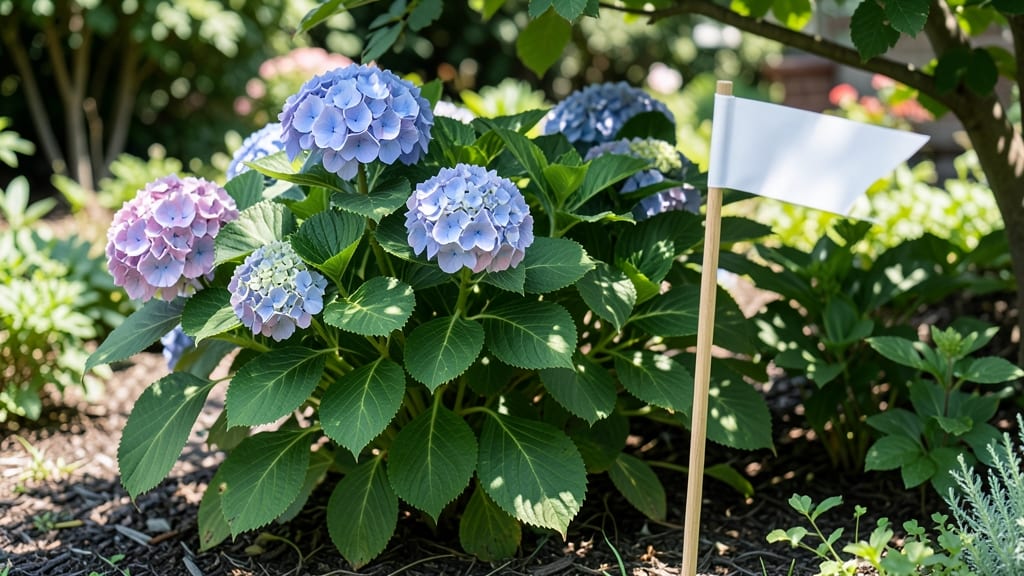
Full sun to partial shade means a plant thrives in 6 to 8 hours of direct sunlight daily, but can tolerate 3 to 6 hours with some filtered light or afternoon shade. This range suits versatile species like lavender, roses, or daylilies, balancing intensity with adaptability.
This light range acts as a sweet spot for plants that need more than light shade but can't handle scorching midday sun in hot climates. 🌿 Think of it as the Goldilocks zone—enough brightness to fuel photosynthesis without causing leaf scorch.
Many gardeners overestimate their yard's actual sunlight exposure, so I always recommend tracking light patterns for a month before planting. For example, a north-facing window might get only 2 hours of direct sun, while a south-facing patio could see 10+ hours in summer.
Why this matters most is how it translates to plant health: too little light leads to leggy growth, while too much causes stress.
The key is matching your plants to your site's actual conditions—like placing sun-loving lavender where it gets morning sun and afternoon shade, or using shade-tolerant roses in spots with dappled light.
💡 In This Article
- How Sunlight Percentages Affect Plant Growth
- Best Plants for Full Sun to Partial Shade Gardens
How sunlight percentages affect plant growth
Sunlight intensity isn't just about hours—it's about the quality of light plants receive. Full sun typically delivers 6000-8000 foot-candles of light intensity (measured at plant height), while partial shade drops to 1000-3000 foot-candles.
This difference affects photosynthesis: full sun plants like lavender have adapted to high-light conditions with thick, waxy leaves that reflect excess UV radiation, while partial shade varieties develop larger leaves to capture more diffuse light. 🔥 The key factor is chlorophyll production—too little light slows photosynthesis, while too much causes oxidative stress in leaves.
Leaf burn is the most visible sign of excess light exposure. When plants receive more than 8 hours of direct sun in hot climates (especially in summer), their leaves can overheat, leading to brown, crispy edges.
This happens because the plant's stomata (pores) close to prevent water loss, but the trapped heat still damages cells. Partial shade plants often show this stress at 5-6 hours of direct sun—for example, hydrangeas will develop bleached patches if placed in full sun without afternoon protection. The solution?
Use sheer curtains or lattice screens to filter light intensity while maintaining air circulation.
Seasonal adjustments are critical for northern vs southern climates. In the northern U.S., summer sun angles are higher, meaning plants might get 8+ hours of direct light even in "partial shade" spots.
Conversely, southern gardens often experience intense midday sun, so what's labeled "partial shade" might actually be 3-4 hours of harsh UV exposure. To adapt, I recommend using light meters (available for $20-$50) or observing your garden at solar noon—when the sun is strongest.
This helps you fine-tune plant placement before symptoms appear.
Root development also responds to light exposure. Plants in full sun develop deeper root systems to access water and nutrients, while those in partial shade often grow shallower roots. This is why sun-loving perennials like daylilies struggle in deep shade—their roots can't compensate for reduced photosynthesis.
The trade-off? Partial shade plants like ferns or astilbes prioritize leaf surface area over root depth, making them ideal for containers or areas with compacted soil where deep roots can't penetrate. 🌱
Consider these light thresholds for common scenarios:
- Full sun (6-8 hours): South-facing walls, open patios, or treeless lawns
- Partial shade (3-6 hours): East/west-facing areas, under deciduous trees, or near buildings that cast afternoon shadows
- Light shade (2-3 hours): North-facing spots or heavily filtered light through dense foliage
What most gardeners overlook is how light quality changes with the season. Early spring and late fall sunlight is 30% less intense than summer light due to lower sun angles, even if the duration is similar. This means a plant getting 6 hours of "partial shade" in summer might actually receive 8+ hours of effective light in spring**—enough to cause stress in shade-tolerant species. The fix? Start with the most demanding plants in your hottest, sunniest spots and fill gaps with more adaptable varieties.