
Companion Plants
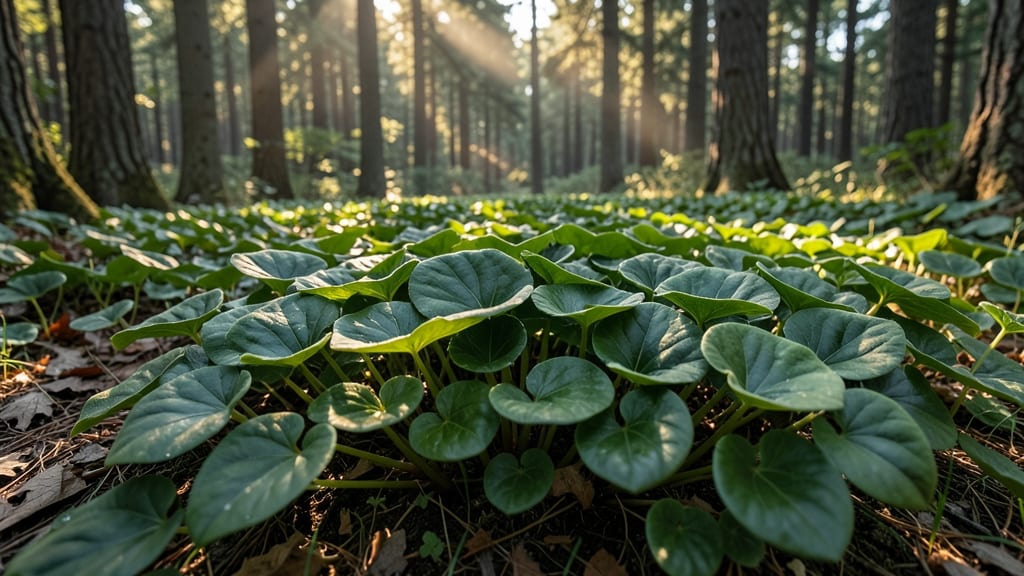
Tired of battling weeds under your trees? These 10 shade-tolerant ground covers thrive where grass struggles, suppress weeds naturally, and add beauty to your landscape with minimal effort.
Sweet Woodruff for Delicate White Blooms

Transform your shady tree area into a fragrant woodland retreat with sweet woodruff (Galium odoratum), a delicate ground cover that thrives under deciduous trees. Its tiny white star-shaped flowers bloom in spring, releasing a sweet, vanilla-like scent when brushed—perfect for creating a sensory garden experience.
This low-growing perennial spreads gently (about 12 inches per year) to form a dense mat that smothers weeds while requiring almost no maintenance. It prefers moist, well-drained soil and partial to full shade, making it ideal for areas where grass refuses to grow. Simply plant in early spring or fall, water occasionally, and watch it fill in bare spots effortlessly.
Sweet woodruff is especially magical for woodland gardeners or anyone seeking a fragrant, low-maintenance solution that enhances the natural beauty of shady landscapes. 🌿
Hosta Varieties for Bold Foliage Statements

If you want to transform a shady, weed-choked tree base into a striking foliage display, hostas are your secret weapon. These shade-loving perennials come in every imaginable leaf shape and color—from deep blues and velvety purples to golden chartreuse and classic green—creating instant visual drama where grass refuses to grow.
Hostas thrive in deep shade (even under dense canopies) and form dense clumps that outcompete weeds naturally while requiring minimal maintenance. Varieties like 'Blue Angel' (blue-green) or 'Francee' (golden-yellow) add architectural interest, while 'Guacamole' (chartreuse) brings a tropical vibe. Plant them in well-draining soil and water consistently until established—then enjoy their low-maintenance beauty for decades.
Perfect for gardeners who love bold textures without the upkeep of flowers, hostas are ideal for underplanting mature trees, lining pathways, or creating striking container displays. Their year-round interest makes them a standout choice for shade gardens. 🌿
Lungwort for Medicinal Beauty and Spread

Want a shade plant that doubles as both a natural weed suppressor and a medicinal powerhouse? Lungwort (Pulmonaria) delivers with its silver-spotted foliage and self-seeding pinkish-purple blooms—perfect for creating a low-maintenance woodland understory.
This hardy perennial thrives in partial to full shade and tolerates moist, well-drained soil, making it ideal for areas under maple or oak trees. Its self-seeding habit ensures continuous coverage without annual replanting, while the foliage contains compounds historically used for respiratory health (hence the name). Plant in early spring for best establishment, spacing clumps 12-18 inches apart.
Best for gardeners who love naturalizing plants with dual beauty and function, lungwort creates a lush, textured carpet that outcompetes weeds while attracting pollinators. 🌷
Ajuga Reptans for Purple Ground Cover Magic

Transform your shady tree base into a vibrant purple carpet with Ajuga reptans, also called bugleweed. This hardy perennial spreads quickly but predictably, creating a dense mat that blocks weeds while adding striking color to your landscape.
With its deep purple foliage and striking blue flower spikes in spring, ajuga thrives in partial to full shade and tolerates dry conditions once established. To control its spread, simply trim back any unwanted runners with pruners. This plant also handles foot traffic well, making it ideal for patios or play areas under trees.
Perfect for gardeners who want low-maintenance beauty with high weed suppression, ajuga is especially great for urban yards where space is limited. 💚
Foamflower for Airy White Flower Displays

Want to create a dreamy, ethereal understory that feels like a fairy-tale forest? Foamflower (Tiarella cordifolia) is your secret weapon—a shade-loving perennial that forms a lush, airy carpet of heart-shaped foliage topped with delicate white, frothy flower clusters in spring.
This native woodland plant thrives in partial to full shade and spreads gently to form a dense mat that smothers weeds while adding texture to your garden. Its prolific blooming (from late spring to early summer) creates a stunning contrast against dark tree bark or evergreen shrubs. Simply plant in well-draining soil, water occasionally, and enjoy its year-round interest—even the foliage stays attractive through fall.
Perfect for gardeners who love soft, romantic displays, foamflower is especially magical under beech or oak trees where its white blooms create a stunning contrast. 🌷
Liriope for Grass-Like Elegance and Durability

Need a low-maintenance, weed-proof solution that looks like a designer grass border under your trees? Liriope (often called monkey grass) delivers with its arching, grass-like foliage and vibrant purple flower spikes that appear in late summer. Unlike delicate ground covers, liriope thrives in full shade to partial sun, handles foot traffic, and spreads aggressively enough to create an impenetrable weed barrier.
Plant clumps 12-18 inches apart in well-draining soil, and watch them fill in bare spots within a season. The drought-tolerant variety (Liriope muscari) is especially tough, while Liriope spicata offers broader foliage. Shear back flower stalks after blooming to maintain a tidy look, and divide clumps every 3-4 years to control spread.
This is the perfect choice for busy gardeners or high-traffic areas under trees—it’s durable enough for pathways, yet elegant enough for ornamental beds. Plus, it stays green year-round in mild climates. 🌱
Fern Varieties for Lush Textural Contrast

Need to add soft, feathery texture to your shady tree base without fighting weeds? Ferns like maidenhair and ostrich fern create an elegant, woodland-inspired understory that thrives where other plants struggle. Their delicate fronds add vertical interest and movement, transforming bare soil into a lush, natural carpet.
These shade specialists prefer moist, well-draining soil and deep shade (even under dense canopies), making them perfect for areas where grass refuses to grow. For best results, plant in spring or early fall, spacing clumps 18-24 inches apart. Varieties like Japanese painted fern add colorful foliage, while autumn fern offers year-round greenery. Their slow-spreading habit means minimal maintenance once established.
Ideal for gardeners who love naturalistic textures and want to create a serene, forest-like feel under trees, ferns bring effortless beauty to even the shadiest corners of your yard. 🌿
Creeping Phlox for Early Season Color

Brighten your garden before the trees even wake up with creeping phlox (Phlox subulata), a hardy ground cover that bursts into vibrant pink or purple blooms in early spring. Unlike other shade plants that wait for summer, creeping phlox emerges when the ground is still cool, creating a stunning contrast against bare tree branches and winter-brown grass.
This sun-loving perennial thrives in partial shade to full sun (even under trees with dappled light) and spreads quickly to form a dense mat that smothers weeds. Plant in well-draining soil in fall or early spring, spacing plants 12-18 inches apart. Varieties like 'Emerald Blue' or 'Scarlet Flame' offer different color intensities, while 'Sherwood Purple' provides a deep, velvety hue. Deadhead spent blooms to encourage more flowers, but avoid cutting back foliage until late spring.
Perfect for gardeners who want early-season color with minimal effort, creeping phlox is especially magical in rock gardens, slopes, or under fruit trees where its blooms attract pollinators before other plants emerge. 🌷
Sedum for Succulent-Style Shade Tolerance

Looking for a shade plant that combines the look of a succulent with the hardiness of a woodland ground cover? Sedum—especially varieties like Sedum spurium or Sedum acre—delivers with its thick, water-storing leaves that thrive in dry shade where most plants struggle. Unlike traditional succulents, these sedums tolerate cooler temperatures and partial shade, making them perfect for understory planting.
These drought-tolerant perennials spread slowly to form dense mats that suppress weeds while adding a unique succulent-like texture to your garden. Plant them in well-draining soil under deciduous trees, where they’ll flourish in areas too dry for ferns or hostas. Their late-summer blooms (often pink, red, or yellow) provide extra color when other shade plants are fading.
Ideal for gardeners who want low-maintenance, water-wise plants with striking visual contrast, sedum is especially great for rock gardens or dry shade spots where traditional ground covers fail. 💚
Wild Ginger for Fragrant Evergreen Cover

Want a fragrant, evergreen ground cover that thrives under trees while keeping weeds at bay? Wild ginger (Asarum canadense) is your secret weapon—a lush, shade-loving perennial with heart-shaped leaves that spread slowly but effectively to create a dense, weed-blocking carpet.
This native woodland plant thrives in partial to full shade and moist, well-drained soil, making it perfect for areas where grass refuses to grow. Unlike fast-spreading options, wild ginger grows at a steady 12-inch pace per year, giving you time to shape its spread while it releases a spicy, ginger-like scent when brushed. Plant rhizomes in early spring or fall, spacing them 12 inches apart, and watch them fill in bare spots naturally over time.
Ideal for gardeners who love low-maintenance, fragrant solutions, wild ginger is especially great for woodland gardens, understory plantings, or areas where you want to mimic a natural forest floor. Its year-round greenery adds texture and interest even when other shade plants fade. 💚