
Shrubs
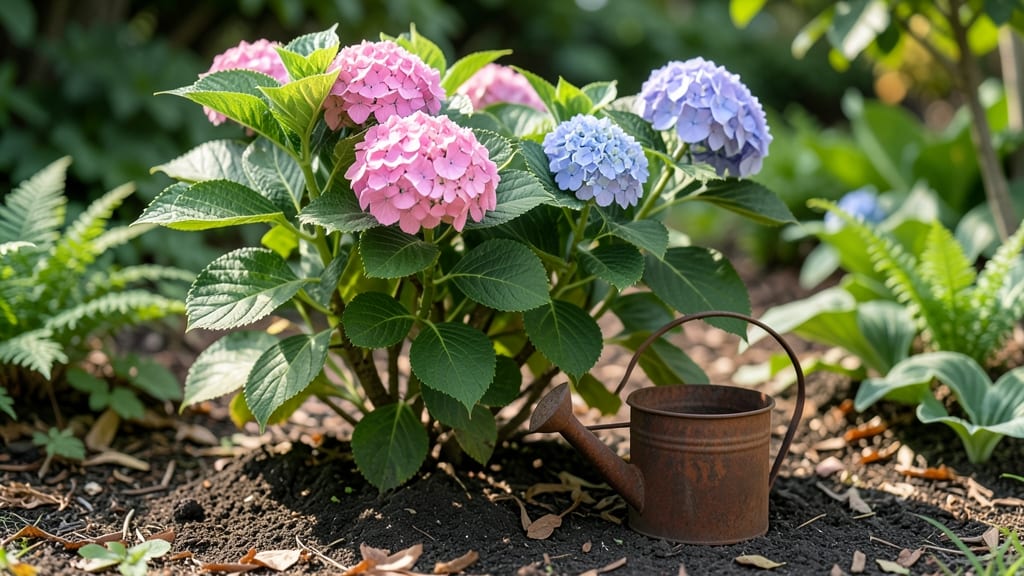
Growing hydrangeas as perennials in sun or shade lets you enjoy their stunning blooms year after year 💮—but their color and health depend on one surprising factor.
Did you know your hydrangea blooms can magically shift from pink to blue—or even purple—just by tweaking the soil? These stunning perennals thrive in both sun and shade, but their vibrant color transformations depend on one critical factor: soil pH.
If you’ve ever wondered why your hydrangea’s flowers look dull or fail to change color, the answer lies in how much sunlight they get and what’s in the soil.
Too much direct sun can scorch leaves, while too little shade may stunt growth—but the real game-changer is adjusting the pH to unlock those breathtaking hues.
In this guide, I’ll break down the best sunlight balance for your hydrangeas, how to test and adjust soil pH for bold color shifts, and the top varieties that thrive in sun or shade. Ready to grow hydrangeas that steal the show?
 Best Window Placement
How sun vs. shade affects hydrangea growth and bloom color
Hydrangeas are one of the most adaptable shrubs in your garden, but their growth patterns and bloom colors change dramatically based on sunlight exposure. Too much sun can scorch leaves, while too little shade may reduce flowering.
Understanding these light requirements is key to growing lush, vibrant hydrangeas year after year.
Each hydrangea variety has unique needs—Bigleaf hydrangeas love shade, while Panicle types thrive in full sun. Even Oakleaf hydrangeas, known for their fall foliage, need balanced light.
Let’s break down how sunlight affects their chlorophyll production, stress responses, and overall health to help you choose the perfect spot.
📊 SUMMARY-TABLE
| Variety | Sunlight Needs | Growth Impact | Bloom Color Tip |
|---|---|---|---|
| Bigleaf (H. macrophylla) | Partial shade (2-4 hrs sun) | Slower growth, larger blooms | pH-sensitive (pink/blue shifts) |
| Panicle (H. paniculata) | Full sun (6+ hrs) | Faster growth, upright shape | White/cream (pH-insensitive) |
| Oakleaf (H. quercifolia) | Partial shade (morning sun) | Moderate growth, fall color | White/pink (pH-tolerant) |
| Smooth (H. arborescens) | Partial sun (4-6 hrs) | Compact growth, dense blooms | White (pH-insensitive) |
Bigleaf hydrangeas, like the popular 'Endless Summer', need partial shade to prevent leaf burn and maintain vibrant blooms. When exposed to too much sun, their leaves turn yellow or brown, and blooms may scorch.
In contrast, Panicle hydrangeas, such as 'Limelight', thrive in full sun and produce larger, more abundant flowers.
Oakleaf hydrangeas, with their stunning fall foliage, prefer morning sun and afternoon shade. This balance helps them retain moisture while still producing showy white or pink blooms. If planted in full shade, their growth may slow, and blooms could become sparse.
Meanwhile, Smooth hydrangeas like 'Annabelle' adapt well to partial sun, making them ideal for gardens with filtered light.
Sunlight also influences chlorophyll production, which affects leaf color and overall plant health. In low-light conditions, hydrangeas produce less chlorophyll, leading to paler foliage. However, too much direct sun can cause oxidative stress, resulting in crispy edges or wilting.
The key is finding that sweet spot where your hydrangeas get enough light to thrive without overheating.
Seasonal adjustments are crucial for hydrangeas in hot climates. In summer, provide afternoon shade to protect leaves, especially for Bigleaf varieties. In cooler regions, they can handle more sun, but always monitor for signs of stress, like drooping leaves or faded blooms.
Mulching around the base helps regulate soil temperature and retain moisture, reducing heat stress.
If your hydrangeas aren’t blooming as expected, check their light exposure. Too little sun can delay flowering, while too much can cause buds to drop. For Bigleaf types, aim for 3-4 hours of morning sun and dappled shade the rest of the day.
For Panicle varieties, full sun encourages stronger stems and larger blooms.
Pruning also plays a role in managing sunlight. Thin out crowded branches to improve air circulation, which helps prevent fungal issues in shady spots. In early spring, remove dead wood and shape the shrub to ensure even light distribution across all branches. This promotes balanced growth and prevents leggy stems.
For shade-loving hydrangeas, like Bigleaf, consider adding a light-colored mulch to reflect sunlight and keep roots cool. In full-sun areas, use a shade cloth during peak afternoon hours to protect delicate foliage. These small adjustments can make a big difference in your hydrangeas’ growth and bloom quality.
Experiment with different light conditions to see what works best in your garden. With the right balance, your hydrangeas will reward you with lush foliage and stunning blooms all season long. 🌿
Soil pH hacks to turn pink hydrangeas blue (or vice versa)
Want to transform your hydrangea blooms from pink to blue—or vice versa—without buying new plants? The secret lies in your soil pH. Bigleaf hydrangeas, like 'Endless Summer', are famous for this color magic because their bloom hues change based on soil acidity.
Whether you're aiming for vibrant blues or soft pinks, understanding how to adjust pH is your ticket to a stunning garden transformation.
Most gardeners assume soil pH is complicated, but it’s actually simple once you know the basics. The key is testing your current pH, then using organic amendments like pine needles (to acidify) or garden lime (to alkalize).
For example, aluminum sulfate can lower pH quickly, while wood ash raises it—but timing and application matter. Let’s break down the exact steps to achieve your dream hydrangea colors.
🌱 Soil pH Adjustments for Hydrangea Color
✅ DO:
- Test pH first with a DIY kit (target 5.2-5.5 for blue, 6.0+ for pink)
- Use pine needles or sulfur to lower pH organically (sprinkle around roots)
- Apply lime or wood ash to raise pH gradually (avoid overdoing it)
- Water deeply after amendments to activate changes in the root zone
- Monitor blooms over 2-3 seasons—color shifts take time
❌ DON'T:
- Use chemical fertilizers with high salts—they can burn roots
- Apply amendments during drought or extreme heat (stresses plants)
- Expect instant results—pH changes require patience and consistency
- Ignore soil testing—guessing pH leads to over-correcting
- Use vinegar or citrus to acidify soil (too harsh and temporary)
💡 Pro Tip: For stubborn hydrangeas, combine pH adjustments with balanced fertilizer (10-10-10) in spring to boost overall plant health.
First, grab a soil pH test kit (available at garden centers for under $10) or use a DIY method: mix 1 part soil with 2 parts distilled water, then dip a litmus strip into the solution. Aim for 5.2-5.5 for blue blooms or 6.0-6.2 for pink.
If your soil is neutral (7.0), you’ll need to acidify it—this is where pine needles shine. Spread a 2-inch layer around your hydrangea’s base in early spring, then water thoroughly.
For aluminum sulfate, a fast-acting option, follow package instructions carefully—too much can harm roots. Sprinkle it evenly around the root zone in early spring, then water it in. If your goal is pink blooms, switch to garden lime (calcium carbonate) or wood ash.
Work 1/2 cup of lime into the top 6 inches of soil per plant, and water well. Remember, pH changes are gradual, so repeat applications in 3-4 months if needed.
Not all hydrangeas respond to pH changes—Panicle hydrangeas (like 'Limelight') and Oakleaf hydrangeas produce colors based on genetics, not soil acidity. Stick to Bigleaf varieties for the best results.
If your hydrangea resists color shifts after 2 seasons of adjustments, test your soil again—sometimes micronutrient deficiencies or poor drainage interfere with pH effectiveness.
Troubleshooting stubborn blooms starts with checking your water quality. Hard water (high in calcium) can neutralize soil acidity over time. If you suspect this, install a rainwater collection system or use distilled water for watering.
Also, ensure your hydrangea gets consistent moisture—fluctuations stress plants and slow color changes. Mulch with pine bark to maintain soil acidity naturally while keeping roots cool.
With patience and precision, you’ll unlock your hydrangea’s full color potential. Start testing your soil this week, and in just a few seasons, you’ll be admiring those dreamy blue blooms (or soft pinks) that make your garden the envy of the neighborhood. Happy gardening! 💮