
Light Requirements
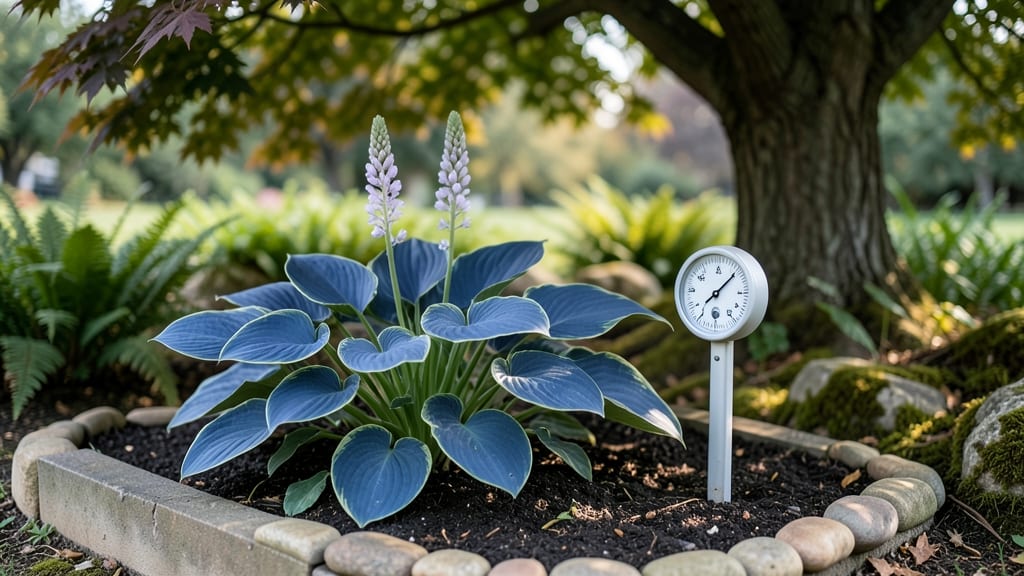
Understanding part shade is all about balance—it's not just about hours but also how that sunlight reaches your plants. 🌿 The 3 to 6 hours range gives plants enough energy for photosynthesis without overheating or stressing their leaves, which is why you'll often see this condition under tall trees or near buildings.
For example, a hosta planted under a maple tree might get just 4 hours of direct sun in the morning but receive filtered light for the rest of the day, creating the perfect part-shade scenario.
What makes part shade special is how it mimics natural forest understories, where plants adapt to survive with occasional bursts of sunlight. This light pattern supports lush foliage and vibrant blooms in plants like astilbe, ferns, and impatiens, which would scorch in full sun but struggle in deep shade.
The key is observing your garden's specific light patterns throughout the day—morning sun behaves differently than afternoon sun, and even a small change in location can shift a plant from part shade to full sun.
💡 In This Article
- Understanding Part Shade Light Requirements for Plants
- Best Plants for Part Shade Gardens and Containers
Understanding part shade light requirements for plants
Part shade creates a delicate balance where plants receive 3 to 6 hours of direct sunlight while also benefiting from filtered or diffused light throughout the rest of the day. This light pattern occurs naturally under tree canopies or near structures that partially block sunlight.
The key difference from full sun lies in the light intensity—while full sun delivers 100% direct rays (often exceeding 1,000 foot-candles of light), part shade typically provides 300-700 foot-candles, reducing heat stress on leaves.
This lower intensity allows photosynthesis to occur without damaging plant tissues, making it ideal for species adapted to woodland understories.
The duration of direct sunlight matters just as much as its intensity. Plants needing 3-4 hours of sun (like hostas or ferns) thrive with morning exposure, while those requiring 5-6 hours (such as impatiens or astilbe) benefit from afternoon light.
The angle of sunlight also changes seasonally—what’s part shade in summer (when the sun is higher) might become full sun in winter (when the sun is lower). 🌞 For example, a spot receiving 4 hours of direct sun in June could easily get 6+ hours in December, requiring adjustments for winter-sensitive plants.
Light quality in part shade isn’t just about duration—it’s also about the spectral composition. Filtered light from leaves or structures scatters sunlight, reducing harmful UV-B rays while preserving beneficial blue and red wavelengths needed for photosynthesis.
This creates a softer light environment that prevents leaf scorch while still supporting growth. Think of it like the difference between standing under a bright lamp versus natural daylight through a sheer curtain—both provide light, but one is gentler and more forgiving for delicate plants.
Comparing part shade to full shade reveals why this middle ground is so crucial. Full shade areas receive less than 3 hours of direct sun and often struggle with weak growth due to insufficient light for photosynthesis.
Meanwhile, full sun areas can overwhelm plants with heat stress, dehydration, and leaf burn. Part shade strikes the perfect compromise, offering enough energy for robust growth without the risks of extreme conditions.
For instance, a coleus plant in full sun will quickly wilt, but in part shade, it thrives with vibrant foliage and steady blooms.
What most gardeners overlook is how microclimates within part shade zones can vary dramatically. A spot near the trunk of a tree might receive only 2 hours of dappled light, while an edge closer to the open area could get 5 hours.
Testing your garden’s light conditions with a light meter or observing plant reactions (like leaf color changes) can help you fine-tune placements.
For example, heuchera (coral bells) often shows stress in areas with more than 5 hours of sun, while begonias can handle up to 6 hours if given afternoon shade.
Understanding these nuances allows you to create thriving gardens where plants like astilbe (which needs 4-5 hours) grow alongside hostas (preferring 3-4 hours).
The secret lies in observing how sunlight moves across your space throughout the day—morning sun is cooler and less intense than afternoon sun, and even a single large leaf can cast enough shade to shift a plant’s light exposure by 1-2 hours.
This attention to detail transforms part shade from a vague concept into a precise, manageable growing condition. 🌿